Google’s foray into the mid-range smartphone market with the Pixel 10a is generating significant buzz, particularly around its potential pricing and release timeline. Industry observers suggest that if the leaked details hold true, the device could mark a strategic pivot for Google, aiming to undercut competitors in a segment where affordability often trumps premium features.
Speculation points to a February 17 launch date for the Pixel 10a, with two storage configurations: an 8GB RAM/128GB model priced at €500 and a higher-capacity 256GB variant at €600. These figures, if confirmed, would represent a €50 discount compared to the Pixel 9a’s introductory price last year, a move that could appeal to cost-conscious consumers while maintaining Google’s reputation for performance in this tier.
One intriguing detail is the availability of color options. While all four colors (Obsidian, Berry, Lavender, and Fog) are reportedly available for the 128GB model, the 256GB version may be limited to Obsidian alone—a quirk that, while unusual, aligns with past Google decisions on product differentiation.
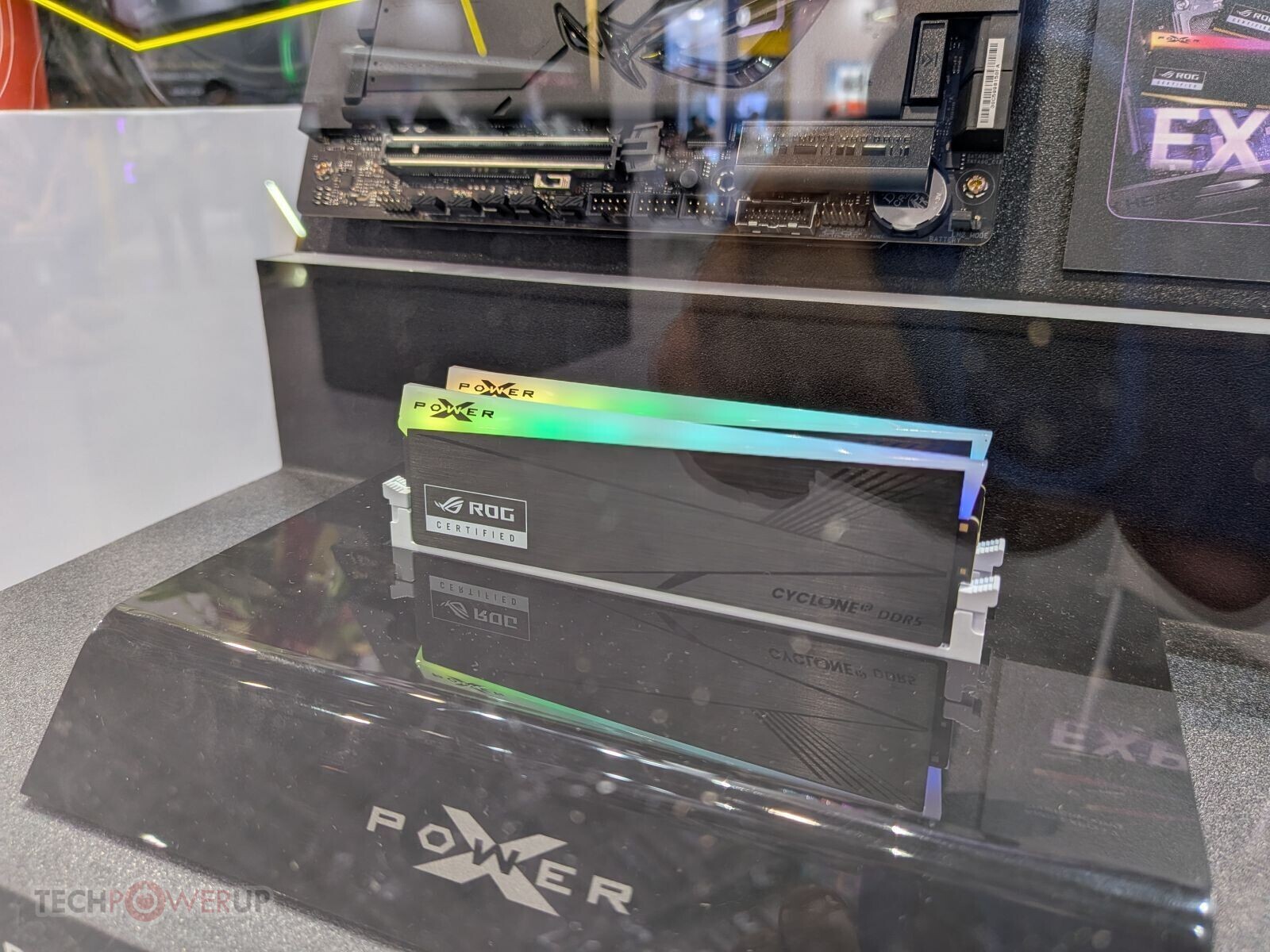
The Pixel 10a’s hardware is expected to build on the technical foundation of its predecessors, featuring an 8GB RAM configuration. However, the type of RAM—whether DDR3 or DDR5—remains unclear, a distinction that could significantly impact real-world performance. DDR5, with its higher bandwidth (6000MHz compared to DDR3’s 1600MHz), would offer noticeable improvements in multitasking and app responsiveness, though it typically comes at a premium.

- Display: Likely an upgrade over the Pixel 9a, with potential for higher refresh rates or brightness improvements.
- Chip: Possibly leveraging Google’s in-house Tensor chipsets, rumored to be manufactured using advanced 2nm process technology for efficiency gains.
- Memory:
- 8GB RAM (DDR3 or DDR5; type yet unconfirmed)
- 128GB or 256GB internal storage
For users, the choice between DDR3 and DDR5 could hinge on their usage patterns. DDR5’s higher bandwidth is ideal for power users who demand smoother performance in gaming or multitasking, while DDR3 remains a cost-effective option for everyday tasks like browsing and media consumption.
The Pixel 10a’s strategic positioning—priced aggressively yet packed with Google’s signature software optimizations—could challenge established players in the mid-range market. If Google succeeds in balancing hardware specifications with affordability, it may set a new benchmark for what consumers expect from budget-friendly smartphones without sacrificing key features.
As for availability, the 128GB model is expected to launch on February 17, though official confirmation remains pending. The 256GB variant’s limited color options add an element of intrigue, hinting at potential trade-offs in storage versus design choices. Whether this approach resonates with consumers or raises eyebrows will be a key indicator of Google’s market strategy moving forward.