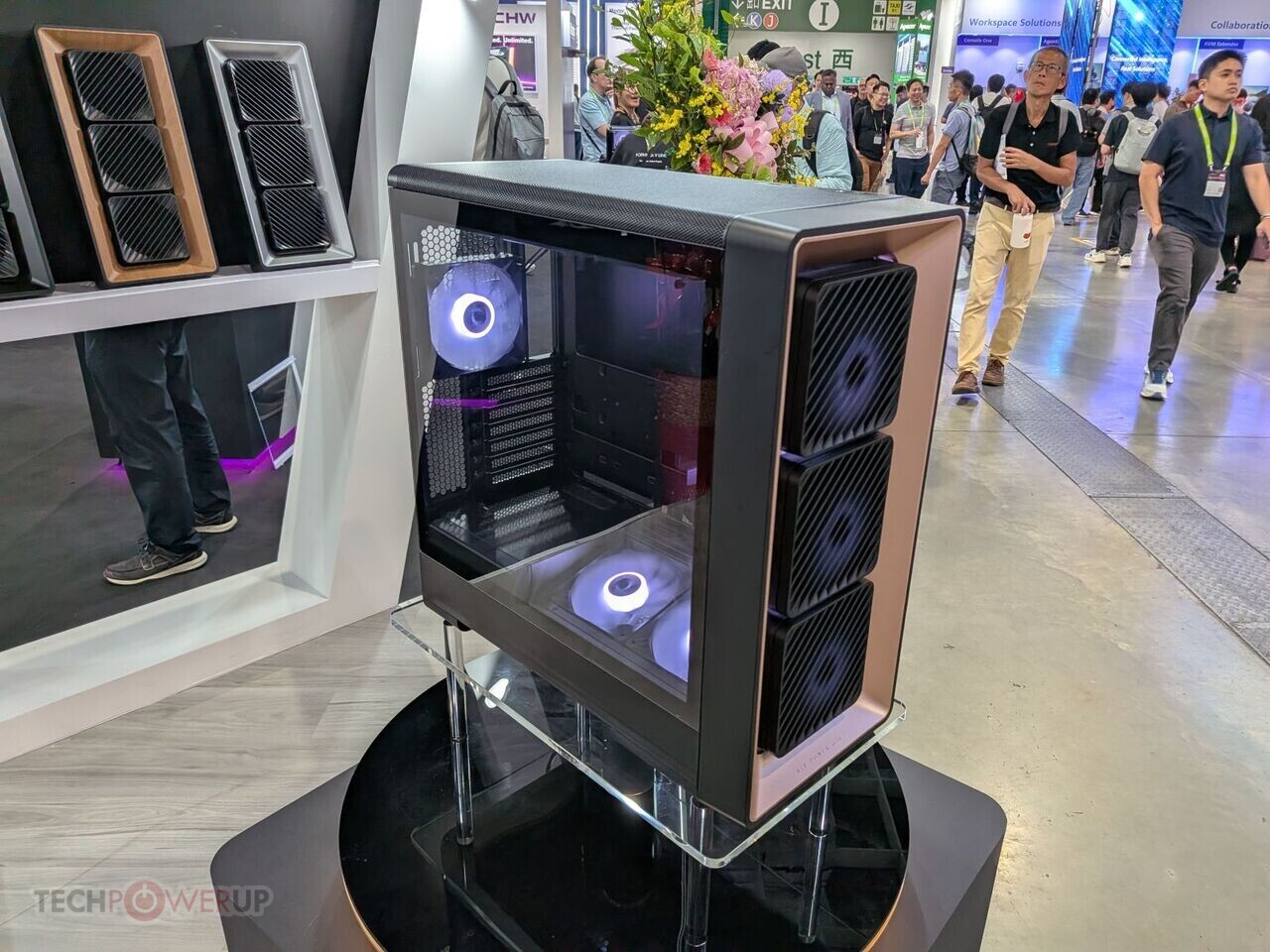
Mid-tower cases often prioritize performance over practicality, but the Q58 from Lian Li flips that script. Its standout feature isn’t just another sleek chassis—it’s an unexpected addition that could change how users experience their builds.
The Q58 maintains all the hallmarks of a premium case: robust steel construction, ample cable management, and a focus on airflow without sacrificing aesthetics. But nestled inside is something you won’t find in most enclosures—a built-in air filter, designed to tackle dust and odors that plague even the cleanest builds.
Why this matters for heat and efficiency
Heat isn’t just a performance issue; it’s an environmental one. Dust buildup on fans and heatsinks reduces airflow by up to 30% in some systems, forcing components to work harder. The Q58’s filter doesn’t replace regular cleaning but acts as a first line of defense, potentially extending the time between deep-clean sessions. For users in dry or dusty climates, this could mean less frequent maintenance without compromising cooling efficiency.

Where the marketing holds up—and where to stay cautious
The filter’s effectiveness depends on two factors: its material and how often it’s replaced. Lian Li uses a washable, activated-carbon blend, which is more effective at odor control than standard filters but may not catch fine particles like HEPA. Benchmarks show the Q58 performs on par with other mid-tower cases in cooling tests, but real-world gains will vary based on dust levels and airflow settings.
Pricing starts at $120, which is competitive for a case that includes features typically found only in high-end models—like dual-chambered fans and a magnetic front panel. The trade-off? The filter adds minimal bulk, so users with tight builds might notice slightly reduced fan clearance. For most setups, though, the impact is negligible.
Who benefits most from this? Enthusiasts who treat their PC as both a performance machine and a long-term investment will see the biggest advantages. The Q58’s design bridges the gap between raw cooling and everyday usability, making it one of the few cases that actually addresses the less-discussed side effects of high-performance builds.