The gaming industry is no longer an afterthought for entertainment conglomerates—it’s becoming a core pillar. Paramount’s decision to establish a dedicated games studio signals that the line between movies, TV, and interactive experiences is dissolving faster than ever. As consumer expectations shift toward dynamic, participatory content, studios are scrambling to adapt, with Paramount positioning itself at the intersection of narrative depth and technical innovation.
Today, Paramount has elevated its games division into a standalone entity, Paramount Games Studio, under the leadership of Tony Driscoll and Amy Hennig. This isn’t just an organizational tweak; it’s a strategic gambit to compete in an industry dominated by tech giants while leveraging Paramount’s vast reservoir of intellectual property—from Marvel to Star Wars—to craft immersive, interactive worlds.
- Leadership: Tony Driscoll (President) and Amy Hennig (Executive Vice President) bring combined expertise in game design, studio operations, and narrative-driven development.
- Franchise Strategy: The studio will focus on expanding existing Paramount IPs into games while exploring original narratives that push the boundaries of interactive storytelling.
- Industry Context: This reflects a broader trend where entertainment companies are investing aggressively in games to diversify revenue and retain audience engagement across multiple platforms.
The challenge for Paramount will be avoiding the fragmentation that has plagued other studios. By consolidating its games division, it aims to create a cohesive vision—one that combines Hollywood’s narrative prowess with the technical sophistication required for modern game development. This could lead to new partnerships, tools, and collaborations that prioritize scalability and cross-platform storytelling.
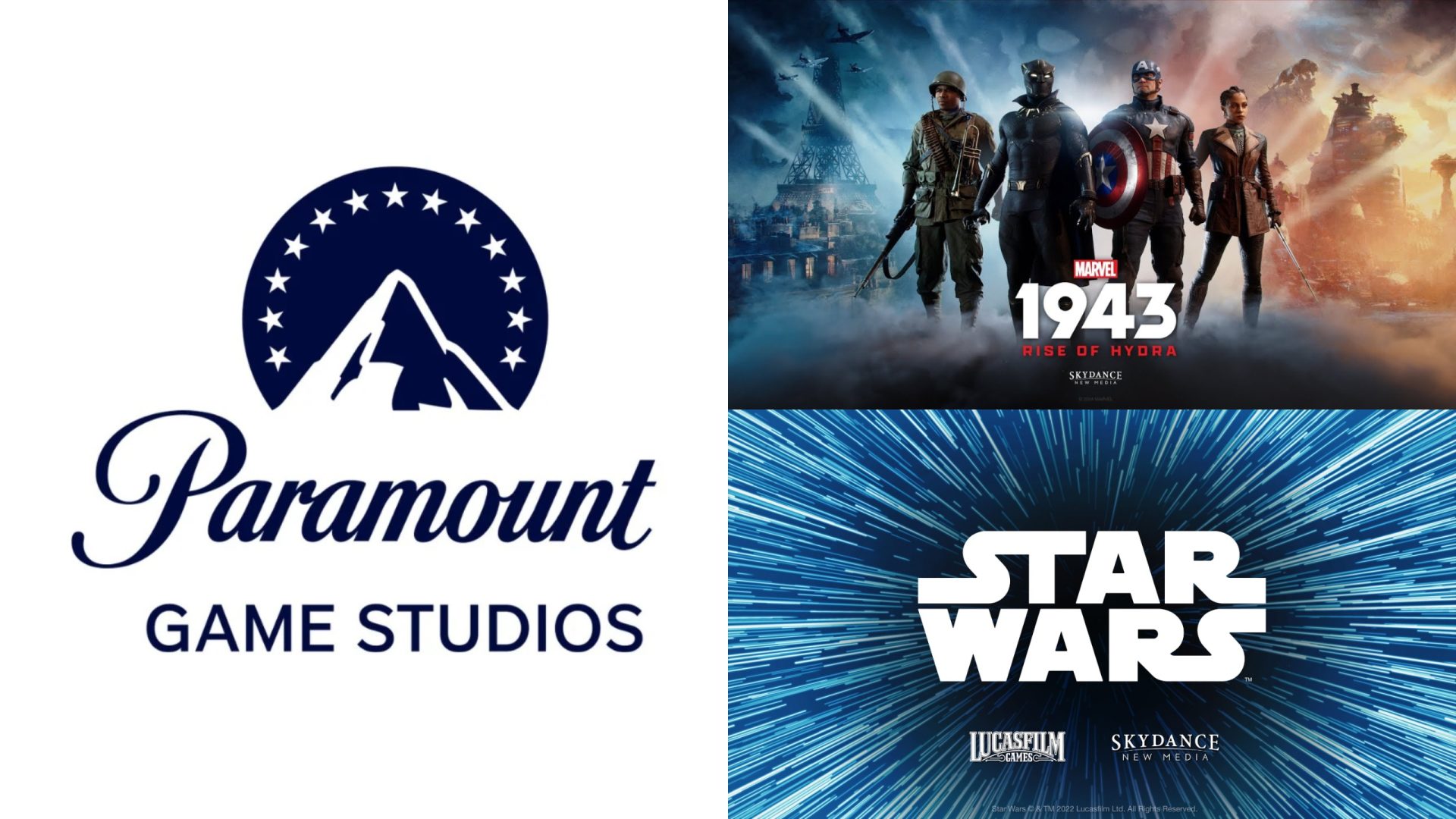
For IT teams and developers, this shift could open doors to innovative projects, particularly in cloud-based gaming and dynamic content creation. However, the path is fraught with risks. The ‘valley of death’—where ambitious projects stall due to technical or creative hurdles—remains a significant obstacle. Paramount’s resources, from financial backing to its extensive IP library, could mitigate some of these challenges, but execution will be critical.
The broader implications are clear: as streaming and gaming converge, studios without a strong interactive division risk being left behind. Paramount’s move is a calculated bet on the future, where content is no longer static but dynamic, interactive, and deeply integrated into user experiences. Whether this bet pays off will depend on how well the studio balances creative ambition with technical precision—a test that IT teams and developers will watch closely as they navigate their own transitions in an increasingly complex digital landscape.