Google is set to broaden its AirDrop interoperability beyond its Pixel lineup, bringing seamless cross-platform file sharing to a wider range of Android devices this year. The announcement, made during a recent press briefing in Taipei, signals a major shift in how Android and Apple ecosystems interact—one that could make sharing photos, documents, and links between iPhones, iPads, and non-Pixel Android phones as effortless as it is within Apple’s own devices.
The foundation for this expansion was laid last year when Google introduced Quick Share compatibility with Apple’s AirDrop for Pixel 10 devices. Unlike previous attempts, this wasn’t a simple workaround but a fully engineered solution, built using Rust—a memory-safe programming language—to ensure stability and security. Google also subjected the system to internal threat modeling, privacy reviews, and third-party penetration testing by NetSPI, reinforcing its commitment to safeguarding user data during transfers.
What’s changing in 2026?
While the exact list of supported devices remains unconfirmed, Google’s Vice President of Engineering for Android, Eric Kay, emphasized the company’s focus on scalability. The initial breakthrough—compatibility with iPhones, iPads, and even MacBooks—has now paved the way for broader adoption. Partners in the Android ecosystem are reportedly being engaged to integrate the technology, with exciting announcements expected soon. For users, this could mean unlocking AirDrop-like functionality on mid-range and flagship Android phones alike, eliminating the need for clunky workarounds like emailing files to yourself.
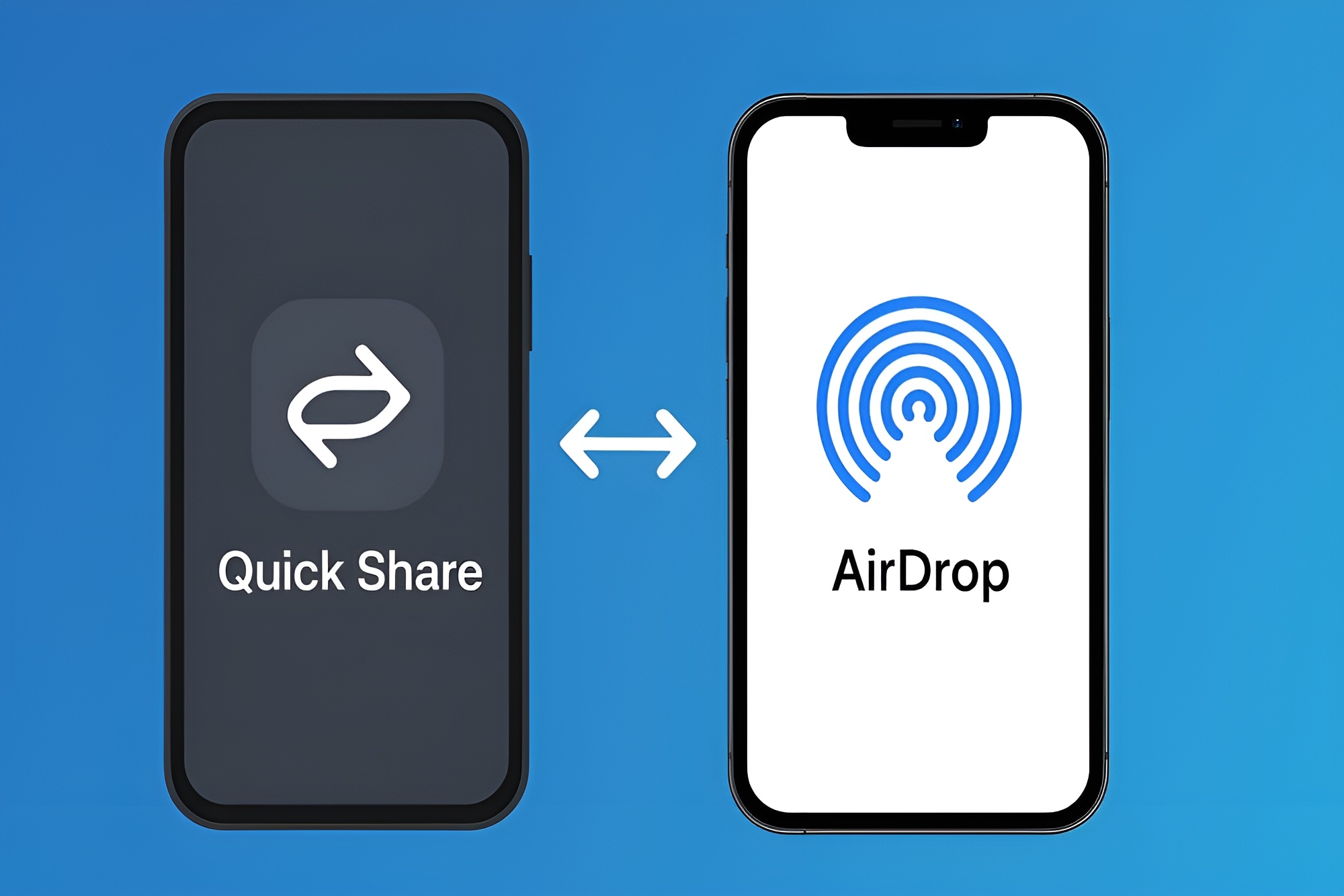
This isn’t just about convenience. By leveraging Rust—a language designed to prevent memory-related vulnerabilities—Google has addressed a long-standing criticism of cross-platform file-sharing tools: security risks. The move also highlights Google’s strategic push to reduce fragmentation in Android, where compatibility has historically lagged behind Apple’s unified ecosystem. For businesses and power users who juggle both Android and Apple devices, the update could streamline workflows, while casual users might finally get the frictionless sharing experience they’ve come to expect from Apple’s hardware.
One lingering question: Will this require a software update, or will manufacturers need to pre-install the feature? Google hasn’t clarified, but the emphasis on partnering with device makers suggests OEMs will play a key role in rolling out the change. As for timing, Kay’s imply momentum is building, but no firm release window has been set.
For now, Android users outside the Pixel fold can hold out hope. The technology is proven, the security measures are robust, and the potential impact—if executed widely—could be transformative. Whether it arrives in spring or later in the year, one thing is clear: the days of AirDrop being an Apple-exclusive perk may soon be over.