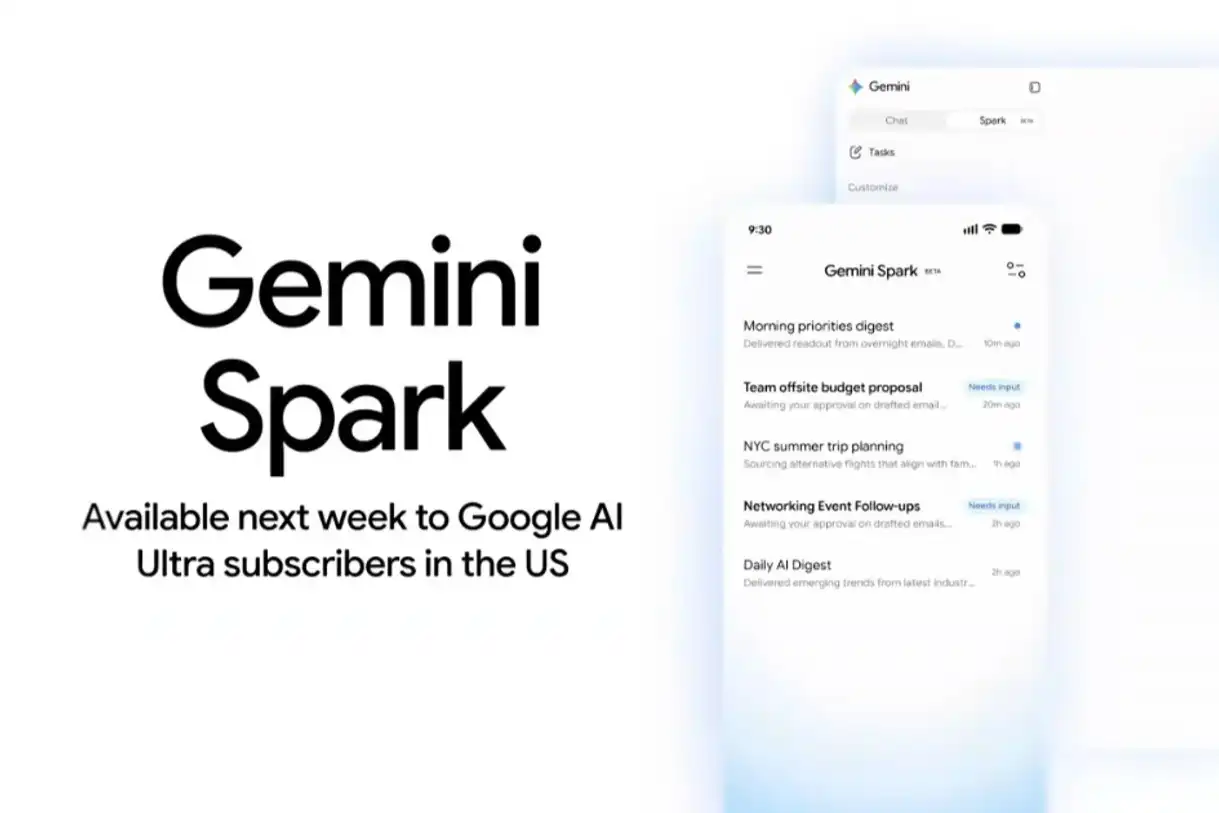
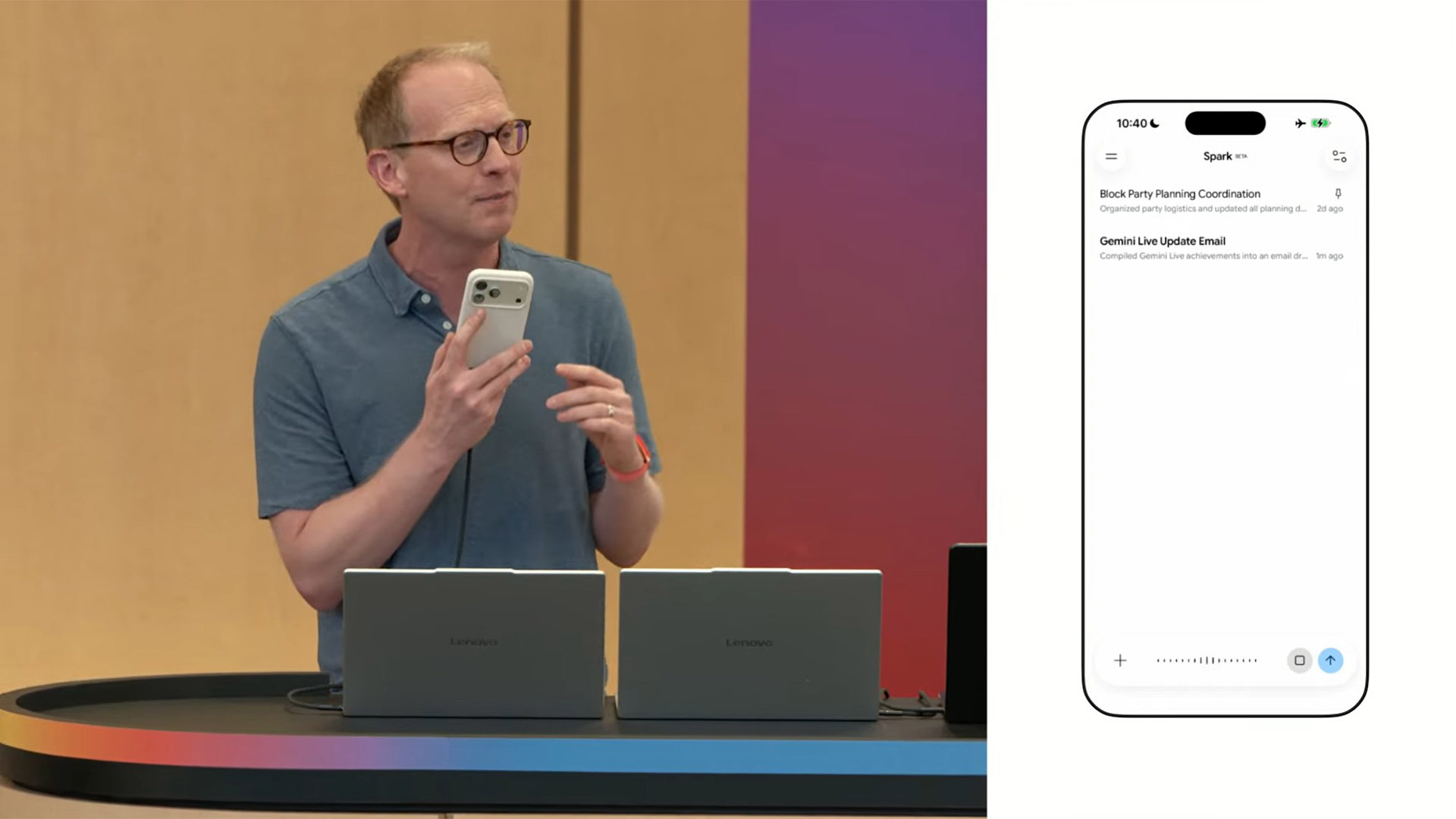
Google’s latest AI initiative, Gemini Spark, made headlines not just for its capabilities but for the device used to demonstrate it: an iPhone 17 Pro. This selection was intentional, reflecting a strategic pivot that challenges Google’s own hardware narrative. The iPhone 17 Pro, with its refined design and advanced chipset, became the showcase for AI innovation, even as Google continues to develop its Pixel lineup. Industry observers see this as more than a temporary deviation—it suggests a growing internal focus on software excellence at the expense of hardware investment.
Design: A Contrast in Philosophy
The iPhone 17 Pro embodies Apple’s design ethos, where minimalism meets precision engineering. Its build quality is undeniable, with sleek edges, a matte glass back, and a premium tactile feel that distinguishes it from Google’s more functional hardware approach. The transition to USB-C, while practical, feels secondary compared to the iPhone’s seamless integration of form and function. Meanwhile, Google’s Pixel devices often prioritize versatility—think interchangeable lenses or modular designs—over aesthetic cohesion.
Hardware Specifications: Power with Precision
- Display: 6.1-inch Super Retina XDR OLED, 2532 x 1170 resolution, HDR
- Chip: Apple A17 Pro (4nm), 3nm CPU cores, 10-core GPU, 16-core Neural Engine
- Memory: 8GB LPDDR5X RAM
- Storage: 256GB–1TB UFS 4.0 flash storage
- Cameras: Dual 48MP (main, ultra-wide), LiDAR scanner, 12MP front camera
- Battery: ~4,325mAh, optimized for efficiency and performance
- Connectivity: 5G, Wi-Fi 6E, Bluetooth 5.3, USB-C (reversed from Lightning)
The iPhone 17 Pro’s specifications underscore its computational strength. The A17 Pro chip, built on a 4nm process with 3nm CPU cores, delivers performance that outpaces many of Google’s hardware offerings. This makes it an ideal candidate for AI demonstrations, where processing speed and efficiency are critical. However, the reliance on Apple’s ecosystem introduces practical challenges for enterprises, particularly when Google’s software tools are designed to work seamlessly with Pixel devices.
Strategic Implications: A Double-Edged Sword
For businesses evaluating AI workflows, this scenario presents a complex dilemma. Google’s software may lead in innovation, but its hardware ecosystem lags behind competitors like Apple and Samsung. The iPhone 17 Pro’s dominance in demos suggests that enterprises must navigate a landscape where software capabilities are matched with third-party hardware that may not fully align with Google’s long-term vision.
This disconnect raises questions about compatibility risks. If Google continues to prioritize software over hardware, enterprises may find themselves locked into an ecosystem that doesn’t evolve as rapidly as its competitors. The choice of demo device becomes a critical factor in assessing the viability of AI tools, as businesses must weigh immediate benefits against potential future limitations.
As Google advances with Gemini Spark and other AI initiatives, the focus on third-party hardware like the iPhone 17 Pro will likely persist. For now, buyers should consider whether this strategic pivot could pose risks for enterprise adoption in the coming years. The balance between software innovation and hardware investment remains a delicate one, and Google’s choices may force businesses to rethink their own tech strategies.