A gamer’s luck took an extraordinary turn when a $100 purchase from Amazon returned with far more than expected—40 sticks of 16 GB DDR5 RAM, each typically priced at over $175. The total value of the find? Over $7,000, a sum that dwarfs the original cost and leaves many wondering if such windfalls are worth the gamble.
The incident highlights the growing trend of users discovering massive bundles of DDR5 RAM in Amazon return pallets, often by chance. While most buyers walk away with just a few sticks or minor surprises, this case stands out as one of the largest known finds, making it a rare example of how a small investment can turn into a significant payday—if you’re willing to take the risk.
What’s Inside an Amazon Return Pallet?
Amazon return pallets are essentially bulk shipments of items that customers sent back for refunds. They can contain anything from defective hardware to overstocked inventory, often at a fraction of retail price. Buying them is seen as both a thrill and a gamble; some users strike gold, while others receive damaged or unusable goods. In this case, the gamer hit the jackpot—not once, but with an unprecedented haul.
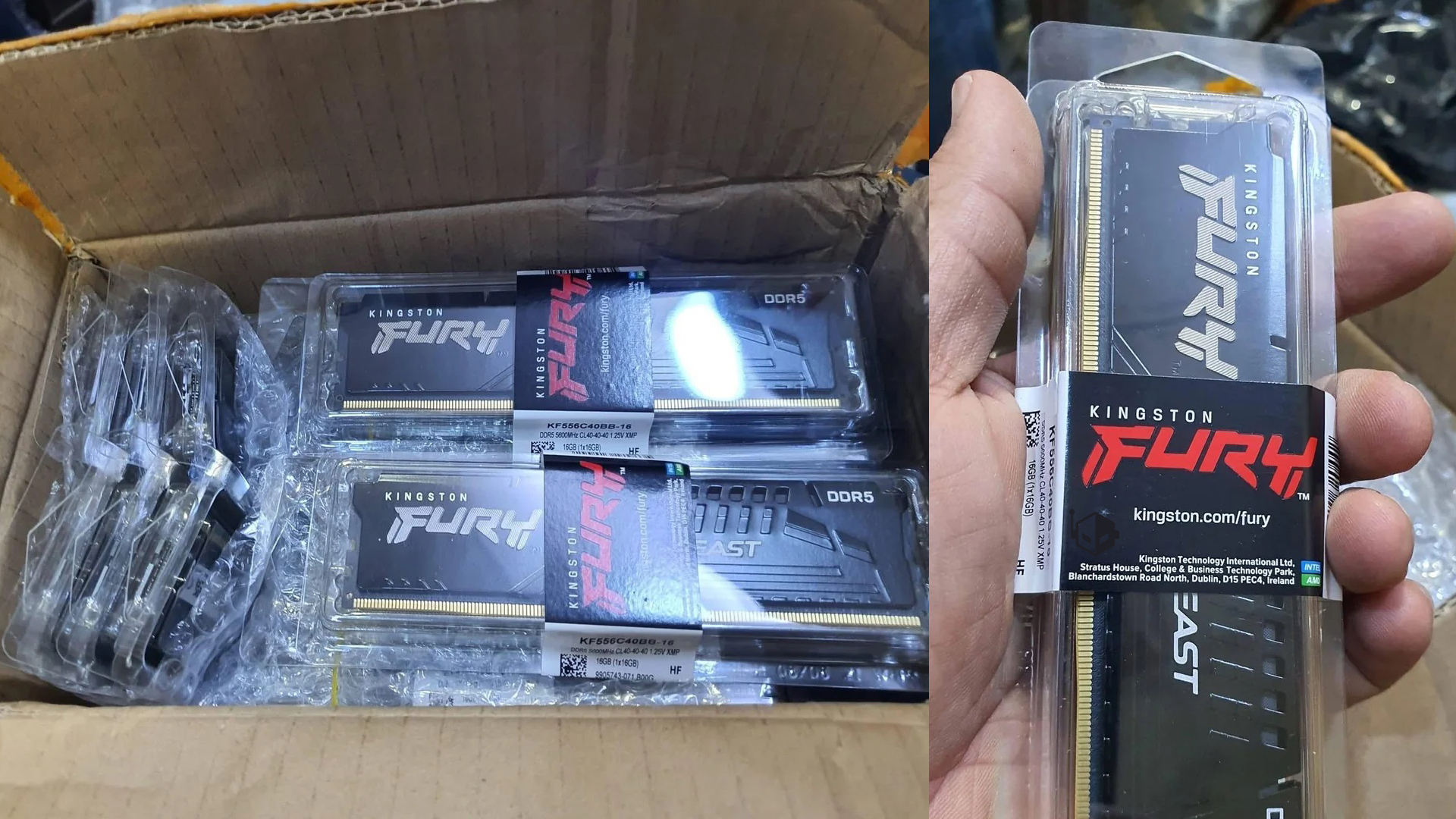
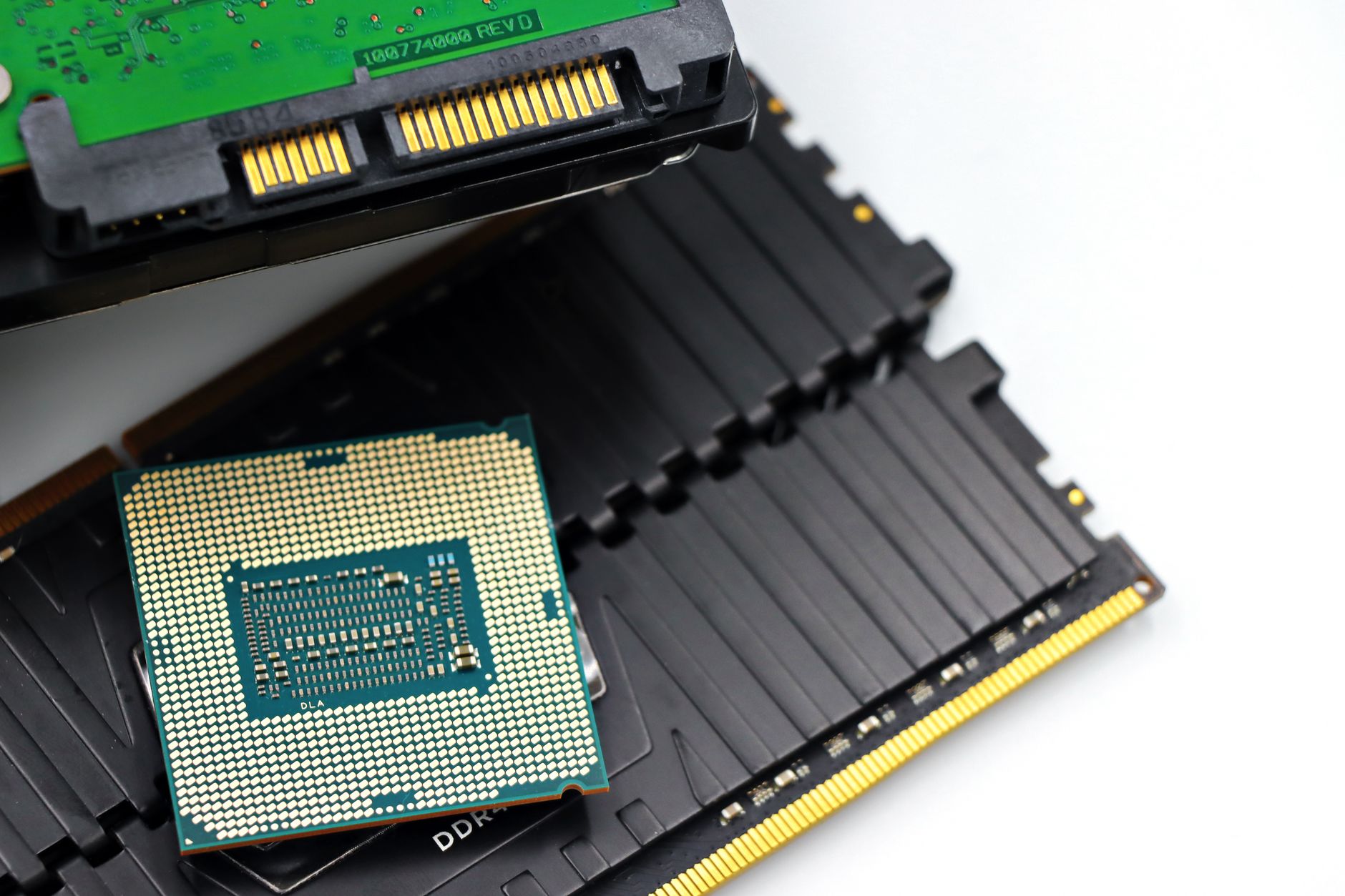
The 40 sticks of DDR5 RAM found in the pallet are part of a Kingston Fury series, known for its high performance and reliability. Each stick holds 16 GB of memory, making it ideal for gaming PCs that demand more bandwidth and speed than older DDR4 modules can provide. With DDR5 becoming the standard for modern systems, the sudden availability of such large quantities at a steep discount could be a game-changer for budget-conscious builders—but only if they survive inspection.
Is It Worth the Risk?
While stories like this make headlines, they also serve as cautionary tales. Buying return pallets is not without its pitfalls. Defective units, mismatched parts, or even counterfeit hardware can slip into these shipments, leaving buyers with costly surprises. Additionally, the resale market for DDR5 RAM remains volatile, meaning that the value of a find like this could fluctuate based on supply and demand.
For gamers looking to upgrade their systems without breaking the bank, this incident underscores both the potential rewards and the inherent risks of sourcing hardware from return pallets. It’s a reminder that while luck plays a role, due diligence is just as important—if not more so—in determining whether such a find is truly worth pursuing.
The bigger question now is whether this will inspire more users to try their hand at buying return pallets or deter them altogether. Either way, it’s a stark example of how a single purchase can turn into an unexpected windfall—or a costly lesson in patience and caution.