The *Final Fantasy VII* remake trilogy is entering its most anticipated phase—and the technical choices behind its final act have just become clearer. Instead of switching to Unreal Engine 5, the team behind *Final Fantasy VII Remake Part 3* will remain with Unreal Engine 4, albeit with extensive customizations tailored to the project’s needs.
This decision, confirmed by director Naoki Hamaguchi, reflects a calculated risk assessment. While Unreal Engine 5 offers advanced features like Lumen and Nanite—capable of delivering hyper-realistic lighting and geometry—its adoption would have introduced uncertainties. Performance instability, particularly on PC and next-gen consoles like the Nintendo Switch 2, could have led to stuttering or lower frame rates. Engine 4, though dated, is a known quantity for the development team, which has already optimized it for the series’ first two installments.
The trade-off is clear: visual fidelity may lag behind competitors using Engine 5, but stability and easier porting could ensure a smoother experience across platforms. For a franchise as ambitious as *Final Fantasy VII*, where accessibility and consistency matter as much as spectacle, this approach makes strategic sense.
With *Intergrade* now available on Nintendo Switch 2 and Xbox Series X|S and *Rebirth* set for a broader release later this year, the trilogy’s conclusion is shaping up to be a defining moment. If the final chapter aligns with the original’s 35th anniversary in 2027, fans won’t have to wait long for answers—though the technical limitations of Engine 4 may leave some wondering what could have been.
Key Specs & Technical Choices
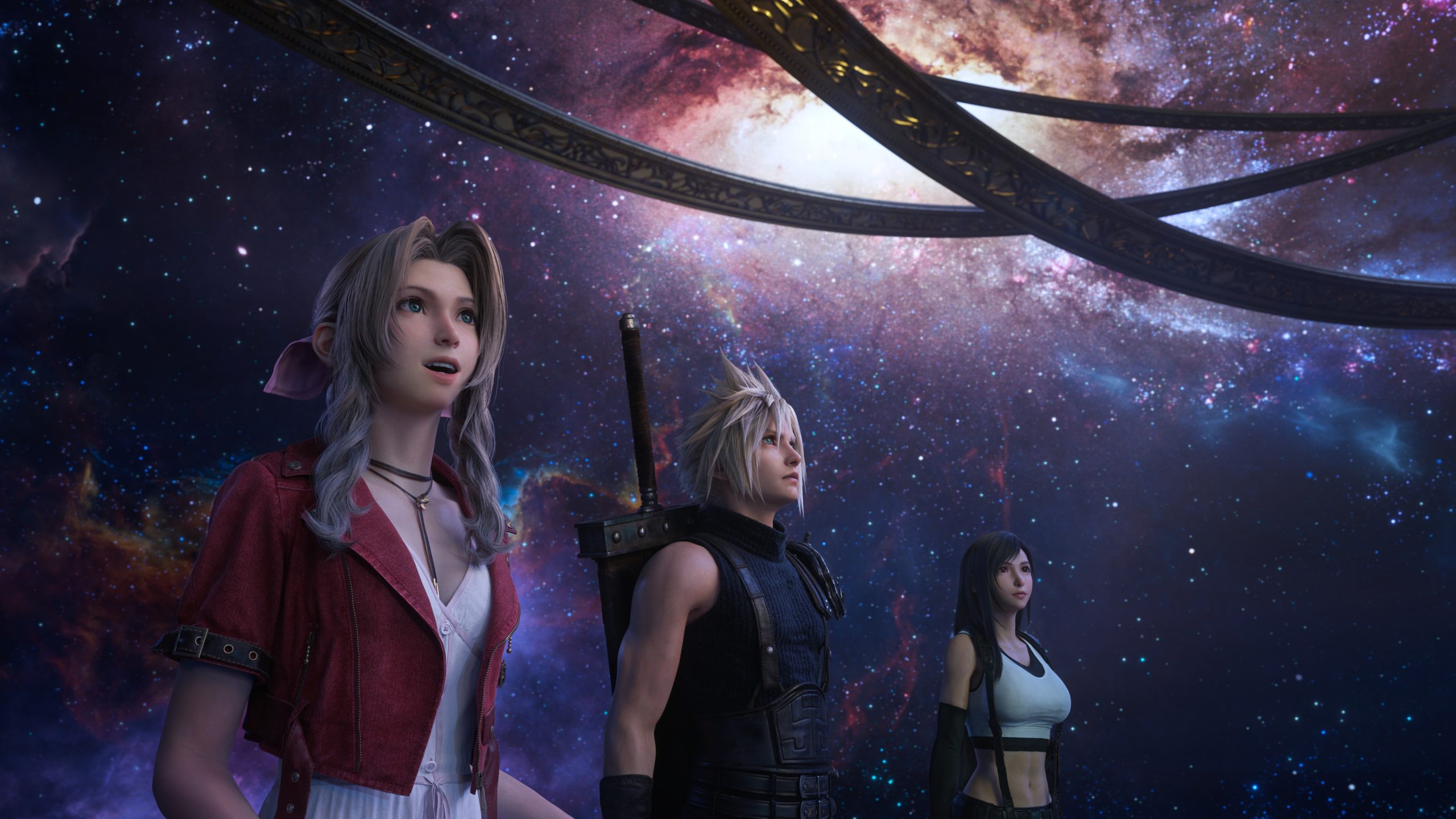
- Engine: Unreal Engine 4 (highly modified)
- Visuals: Customized shaders and optimizations to mitigate age-related limitations
- Performance Focus: Prioritizing stability over next-gen features like Lumen/Nanite
- Platforms: Likely to include PC, PlayStation 5, and Nintendo Switch 2 (easier porting expected)
- Release Context: Potential alignment with *Final Fantasy VII*’s 35th anniversary (2027)
The choice of Unreal Engine 4 isn’t just about technical debt—it’s a bet on reliability. For a game that demands fluid combat and expansive exploration, a stable foundation is non-negotiable. Whether this means sacrificing the photorealism of Engine 5 remains to be seen, but the decision underscores a broader trend: in AAA development, familiarity often outweighs innovation when the stakes are this high.
As Square Enix prepares to wrap up its remake trilogy, the focus now shifts to gameplay revelations. Will the Highwind airship redefine world traversal? How will the final battle against Sephiroth evolve? With the first two chapters setting a high bar, the conclusion must deliver—but not at the cost of breaking what already works.
Availability & Pricing
While no official release window has been confirmed, the first two games in the trilogy—*Rebirth* and *Intergrade*—can be purchased together for $50. The final installment’s pricing and exact launch date are expected to be announced in the coming months.