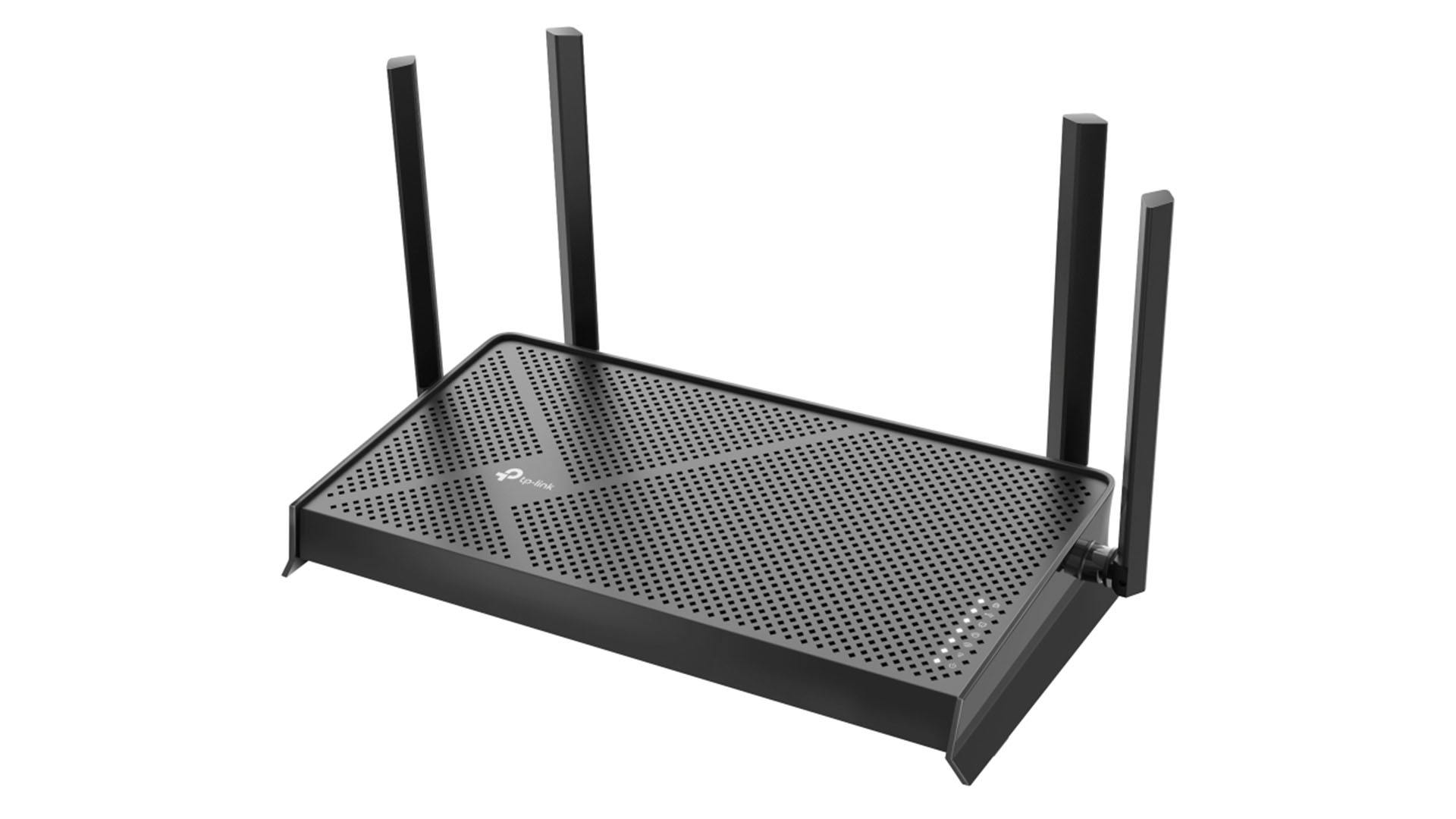
The Federal Communications Commission’s move to ban traditional routers from U.S. homes is not just another regulatory hurdle—it’s a seismic shift that will redefine the hardware landscape for broadband providers and consumers alike.
At its core, the FCC’s decision targets the long-standing practice of bundling routers with internet service plans, arguing that this arrangement stifles competition and innovation. The ban, set to take effect in 2024, means that ISPs can no longer include routers as part of their standard offerings unless they meet stricter technical and security standards. For consumers, this could translate into higher costs or less flexibility in choosing networking equipment. Yet, for manufacturers, it presents both a challenge and an opportunity to innovate in a market where performance, efficiency, and compliance are increasingly intertwined.
Traditionally, routers have been the unsung heroes of home networks, handling everything from signal distribution to security filtering. But with the FCC’s crackdown, the focus will inevitably shift toward more advanced architectures—those that prioritize speed, reliability, and adaptability without sacrificing ease of use. This is where the real implications begin to unfold.
Rethinking the Router: What Changes Now?
The ban doesn’t just eliminate routers as we know them; it forces a fundamental rethinking of how broadband infrastructure is built. Key changes include
- Stricter FCC certification requirements, which will likely push manufacturers toward more modular and upgradeable designs.
- A greater emphasis on open standards, allowing for interoperability between different brands and reducing vendor lock-in.
- Higher performance benchmarks, particularly in areas like latency and throughput, to meet the demands of modern applications such as 4K streaming, remote work, and smart home ecosystems.
For consumers, the immediate impact may be less choice—fewer pre-configured options from ISPs—but the long-term benefit could be more robust, future-proof networks. Manufacturers, on the other hand, will face a scramble to meet these new standards while maintaining cost efficiency, a delicate balance that will test R&D teams in the coming years.

Why This Matters for Developers and End Users
The FCC’s ban is more than just a policy shift; it’s a catalyst for innovation in home networking. For developers, this means new opportunities to build software and hardware that comply with the stricter regulations while pushing the boundaries of what routers can do. Think about AI-driven traffic management, proactive security updates, or even routers that double as edge computing hubs for IoT devices.
For end users, the changes could lead to more reliable connections but also to higher upfront costs if ISPs pass on the burden of compliance. The question is whether the benefits—such as better performance and greater flexibility—will outweigh the drawbacks. Early indications suggest that some manufacturers are already exploring alternative business models, such as subscription-based router services or partnerships with third-party providers.
A Glimpse into the Future
Looking ahead, the FCC’s ban could accelerate trends already in motion: the move toward cloud-managed networks, the integration of AI for network optimization, and a greater focus on security by design. However, the road won’t be smooth. Supply chain disruptions, rising component costs, and the need for rapid certification could create bottlenecks.
For buyers, timing will be critical. Those in the market for new routers should monitor how manufacturers adapt to these changes, particularly in terms of pricing and feature sets. The next 12 to 18 months will be pivotal in determining whether this shift leads to a more competitive, innovative ecosystem—or if it becomes another regulatory burden that slows progress.