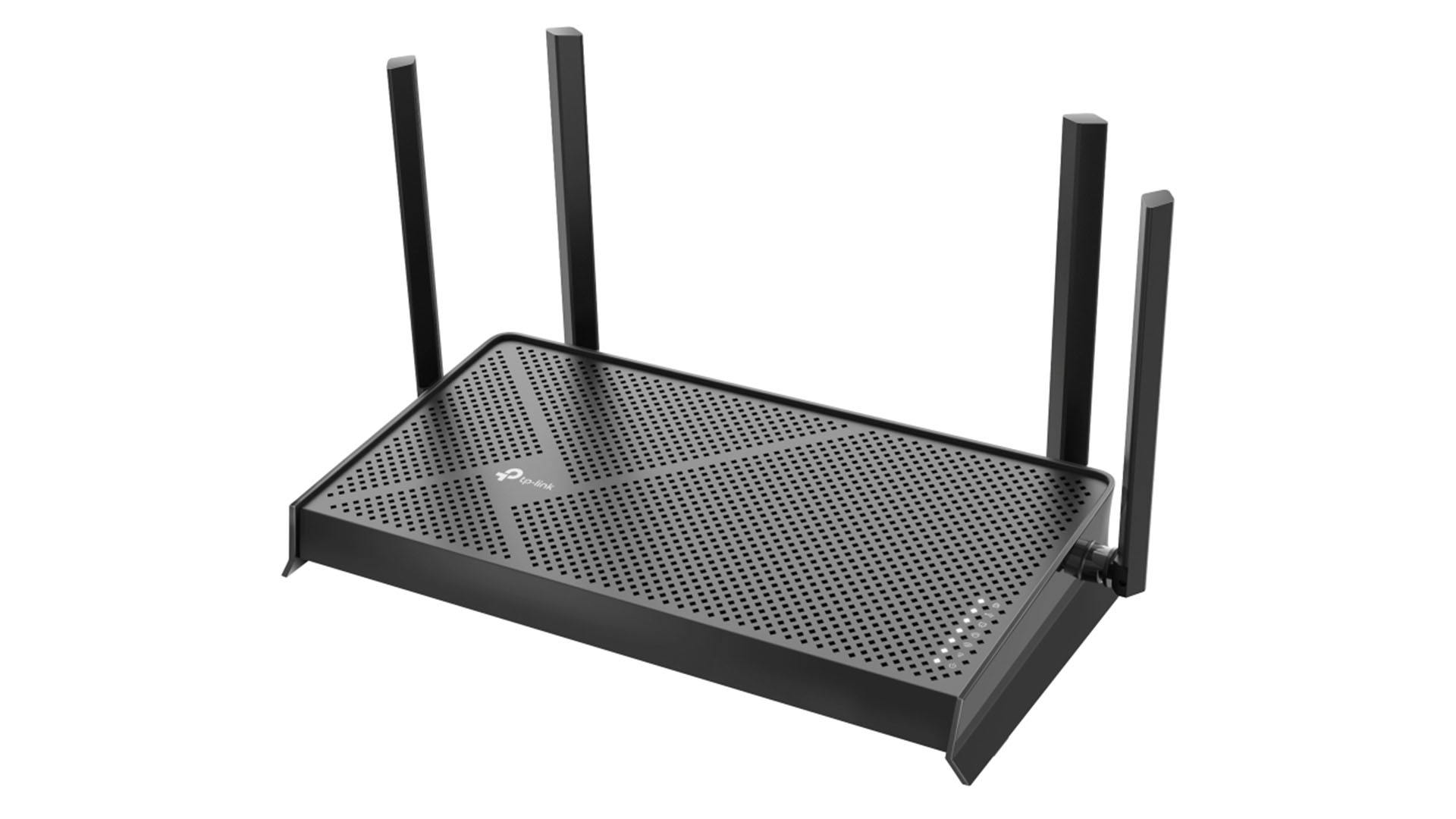
The Federal Communications Commission (FCC) has announced a significant policy shift that will limit the importation of new, foreign-manufactured Wi-Fi routers into the United States. This move, effective immediately, restricts the entry of routers that do not meet updated technical and security standards set by the FCC, effectively creating a bottleneck for importers and retailers.
Under the new rules, any router intended for sale in the U.S. must now comply with stricter radio frequency interference limits, cybersecurity protocols, and manufacturing traceability requirements. This includes routers that rely on 802.11ac or newer Wi-Fi standards, which are widely used in both consumer and enterprise networking setups. The FCC has stated that non-compliant devices will be subject to immediate seizure at U.S. ports of entry.
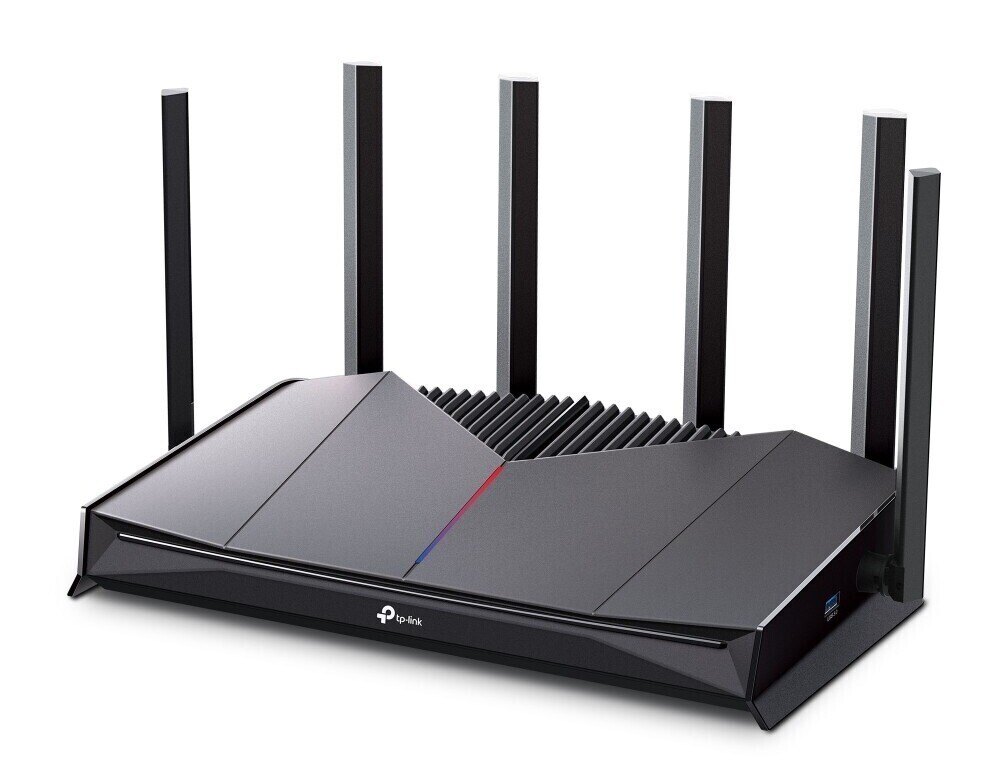
The impact on PC builders and networking enthusiasts is twofold. First, the availability of budget-friendly or niche routers from international manufacturers may dwindle, forcing consumers to rely more heavily on domestically produced alternatives. Second, the increased scrutiny on foreign-manufactured hardware could lead to longer lead times for new models, as importers scramble to certify existing stock or adjust supply chains. This shift could also favor established brands with deep pockets for compliance, potentially squeezing out smaller players in the market.
For those looking to upgrade their home or office network, timing becomes critical. Routers that are already in transit or held in inventory may still make it onto shelves, but future purchases will require careful consideration of both price and origin. Builders assembling custom networking setups should monitor FCC announcements closely, as the agency may introduce additional requirements in the coming months. The bottom line is clear: the door for new foreign-made routers is closing, and those planning to invest in networking hardware must weigh the risks of stockpiling against the uncertainty of future availability.