The Fallout* series has become a cornerstone of modern gaming, but its creative path has been contentious. While Bethesda’s later installments—particularly Fallout 3 and Fallout 4—prioritized world-building and accessibility over deep RPG mechanics, the franchise’s original architects now acknowledge a surprising truth: the studio’s choices, though different from their own, delivered something fans adored.
Tim Cain and Leonard Boyarsky, the co-creators of the first two Fallout games, have long been vocal about their reservations. Their vision for the series emphasized tactical combat, player agency, and a crunchy RPG experience—elements that became less prominent in Bethesda’s later entries. Yet, despite their critiques, both men now concede that the commercial and cultural success of Fallout 3 and Fallout 4 reflects a demand they hadn’t fully anticipated.
The shift in priorities
Bethesda’s approach under Todd Howard’s leadership focused on immersion through environmental storytelling, voice acting, and a more linear narrative structure. Cain and Boyarsky, however, had envisioned a game where players could shape their own journeys through open-ended dialogue, branching quests, and a deeper tactical layer. Fallout 3 retained some of these elements—particularly in its early stages—but Fallout 4 moved further away, opting for a more streamlined, action-oriented experience.
Boyarsky, in particular, noted that while Fallout 3 felt closer to their original design in terms of RPG mechanics, Fallout 4’s departure from that model was deliberate. Yet, he also recognized the appeal of Bethesda’s aesthetic choices. The visual style, music, and world design in Fallout 4 were praised for capturing the essence of the original games’ tone, even if the gameplay mechanics differed. I liked both of them, Boyarsky said. Where they were going with the art stuff in Fallout 4 was really cool.
Aesthetic over mechanics
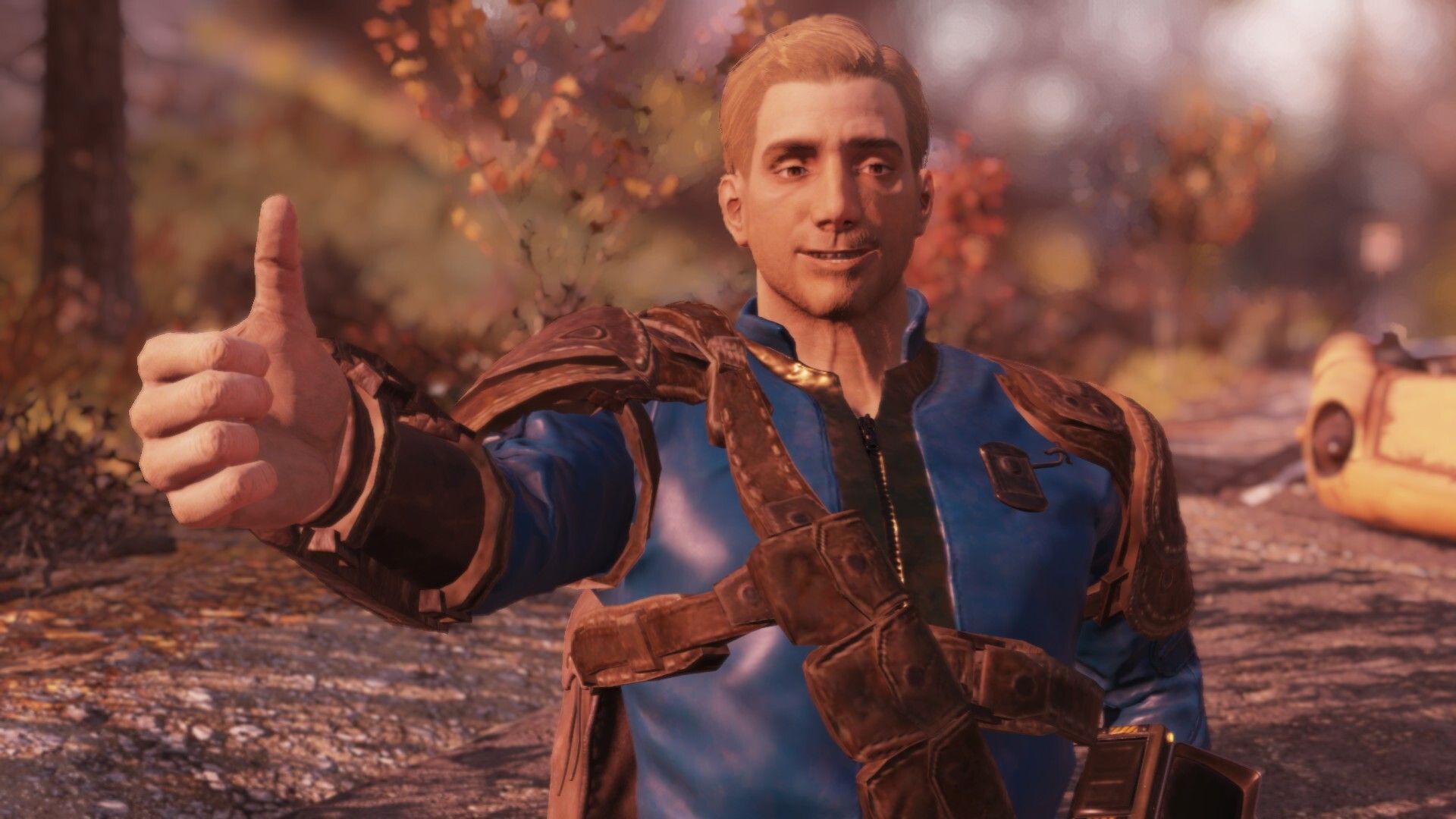
Brian Fargo, founder of Interplay Productions and a key figure in the original Fallout’s development, offered a broader perspective. He observed that Bethesda treated the games—and later the Amazon series—as extensions of the franchise’s core identity. They focused on the world’s sensibilities and feeling, Fargo explained. If they nailed that, then the audience who came from before would appreciate it. This approach, he argued, was the studio’s strength, even if it meant sacrificing some of the deeper RPG systems Cain and Boyarsky had championed.
Fargo’s point underscores a broader trend in gaming: modern players often prioritize atmosphere and accessibility over traditional RPG complexity. Bethesda’s willingness to adapt—even if it meant diverging from the original vision—appears to have paid off, with Fallout 4 becoming one of the best-selling games of its generation.
The merch and the message
Cain’s reflection on his collection of Fallout memorabilia—including items from both the original games and Bethesda’s later entries—highlights an unexpected alignment between creative vision and commercial reality. While he and Boyarsky might have steered the series in a different direction, the fact that millions of players engaged with Bethesda’s interpretation suggests that the franchise’s enduring appeal lies in its adaptability.
For all its flaws, Fallout 4’s success proves that even when creative paths diverge, the core of a beloved franchise can still resonate. The original creators may have had a different blueprint, but the results—both in sales and cultural impact—speak to a broader audience’s love for the world they helped create.
What this means for the future
The insights from Cain, Boyarsky, and Fargo offer a fascinating glimpse into how creative legacies evolve. While Bethesda’s later Fallout* games may not have matched the original developers’ RPG ambitions, their focus on world-building and accessibility struck a chord with a new generation of players. As the franchise continues to expand—with a hit TV series and rumors of future games—these reflections remind us that even in creative disagreements, the spirit of innovation keeps a legacy alive.