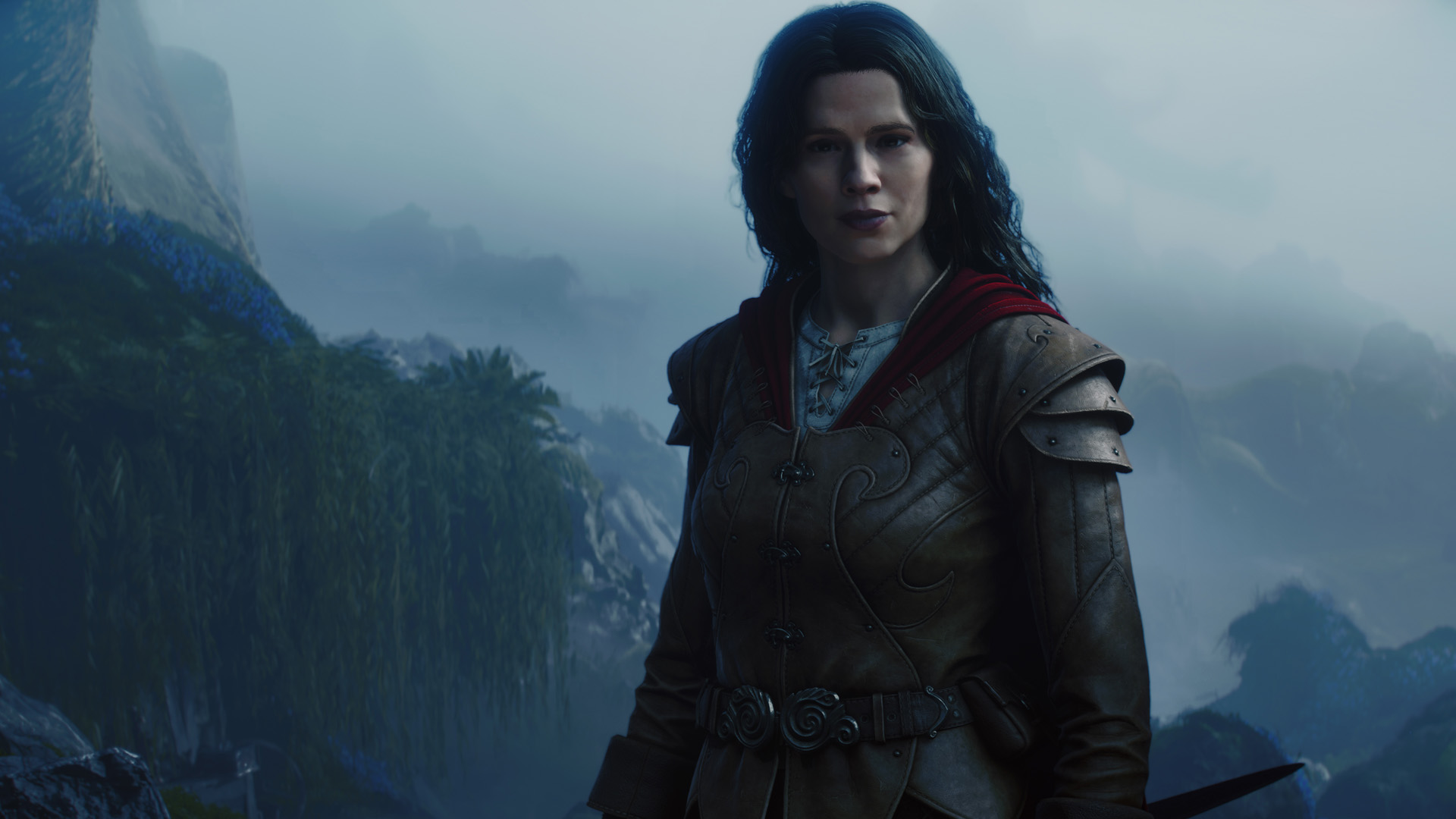
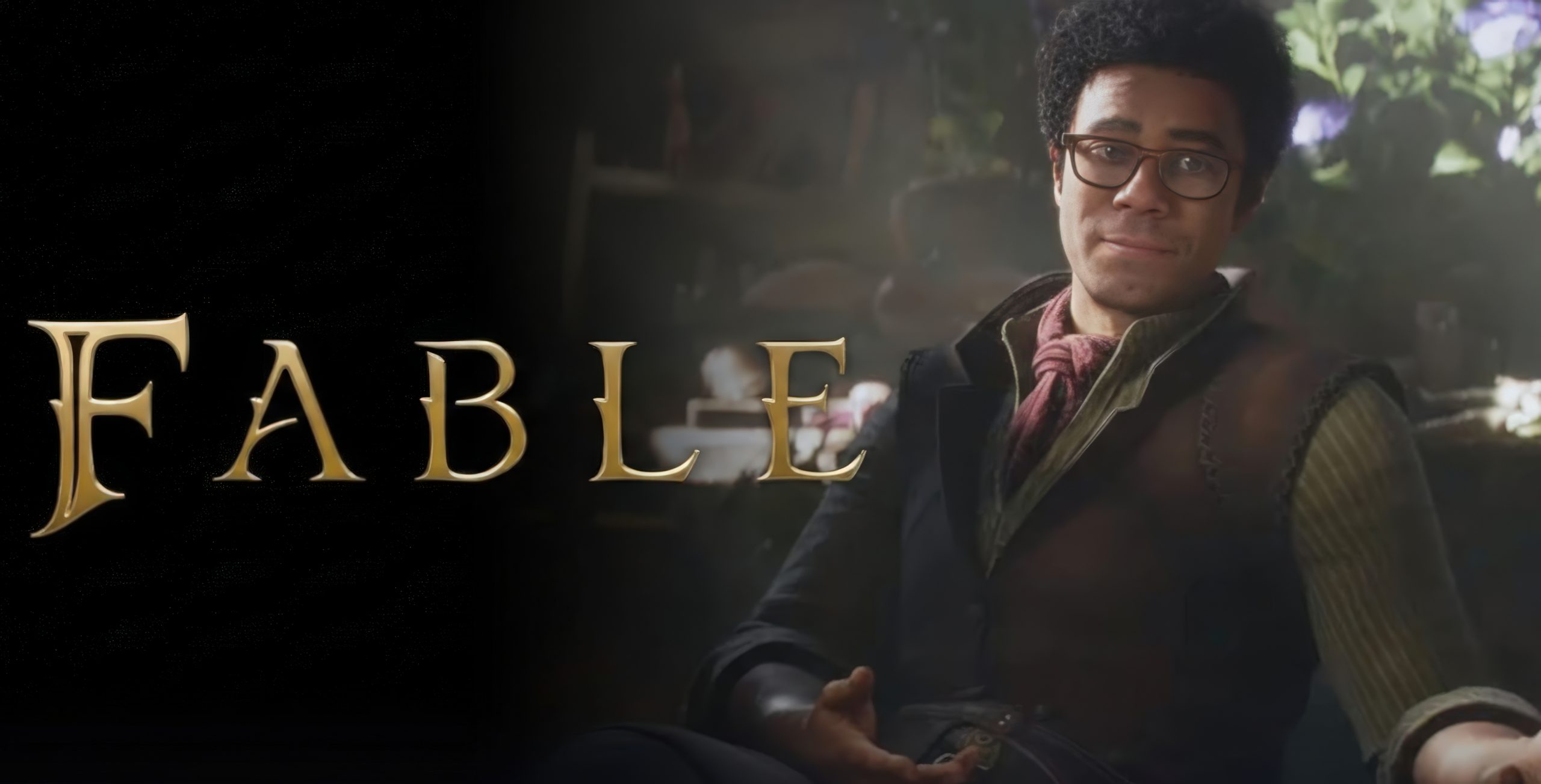
Fifteen years after the original trilogy faded into memory, *Fable* is returning with a twist that might surprise even its most devoted fans. The reboot, developed by Playground Games, isn’t just reviving the series’ signature British wit—it’s borrowing a narrative device straight from *The Office*: the mockumentary interview style. No longer confined to trailers, this approach will now permeate the game itself, offering a fresh way to deliver humor and character moments.
Game Director Ralph Fulton confirmed in a recent interview that the studio drew heavy inspiration from Ricky Gervais’ *The Office*, particularly its ability to ground humor in awkward, relatable scenarios. The result? A game where players might find themselves watching characters break the fourth wall—not just for comedic effect, but as a storytelling tool. Fulton described it as a way to seamlessly weave jokes and character details into gameplay without disrupting immersion. It’s that grounded, awkward style of humor that really appeals to us, he explained. And the actors who’ve mastered it—some of whom are now in *Fable*—are known globally.
The decision to integrate mockumentary elements raises questions about how well the format will translate into a fantasy RPG. While *The Office* thrived on its documentary-style interviews, *Fable*’s world of Albion is one of magic, intrigue, and open-ended adventure. The risk? Breaking the illusion of immersion when characters suddenly turn to the camera mid-combat or during quests. Yet, if executed carefully, the technique could add a layer of meta-humor, making the game’s world feel more dynamic and unpredictable.
Key Inspirations Behind the Design
- British Comedy Roots: Beyond *The Office*, the team cites shows like *Peep Show* and *The IT Crowd* as foundational, emphasizing dry, observational humor over forced gags.
- Global Appeal: The mockumentary style, though British in origin, has become a universal language of comedy—think *Parks and Recreation* or *Brooklyn Nine-Nine*—making it a smart choice for a reboot aiming for broad accessibility.
- Gameplay Integration: Unlike trailers, where mockumentary cuts feel like a novelty, the reboot will use the format to deliver lore, character backstories, and even gameplay tips—all while keeping the player engaged in the world.
The approach isn’t without precedent. Games like *Life is Strange* and *Detroit: Become Human* have experimented with narrative framing devices, but few have attempted to embed them so deeply into core gameplay. Whether it works in *Fable* remains to be seen. Early reactions suggest skepticism: purists may balk at the shift from pure fantasy immersion, while others might appreciate the meta-layer it adds.
One thing is certain—the reboot is arriving at a pivotal moment. With *Grand Theft Auto VI* looming in late 2026, *Fable*’s autumn release for PC, PlayStation 5, and Xbox Series X/S could use all the differentiation it can get. If the mockumentary style proves as engaging as the studio hopes, it might just carve out a unique identity for a game that’s spent decades waiting to be rediscovered.
For now, fans will have to wait for hands-on experience to judge whether breaking the fourth wall in Albion is a stroke of genius—or a distraction from the magic that defined the original.