The European Union has finalized a regulation that will standardize USB-C as the sole charging port for laptops drawing up to 100 watts of power. Effective immediately, this move mirrors the EU’s earlier smartphone mandate but introduces new constraints—and opportunities—for laptop manufacturers, particularly in gaming and creator workflows where higher wattage demands persist.
Under the new rule, any laptop with a power rating of 100W or below must use USB-C for charging. Exceptions are carved out only for devices exceeding this threshold, such as high-end gaming laptops that can still employ traditional barrel connectors. The shift aims to reduce electronic waste by eliminating proprietary charging ports, though it does not restrict manufacturers from including additional connectors alongside USB-C.
Key Implications for Hardware Design
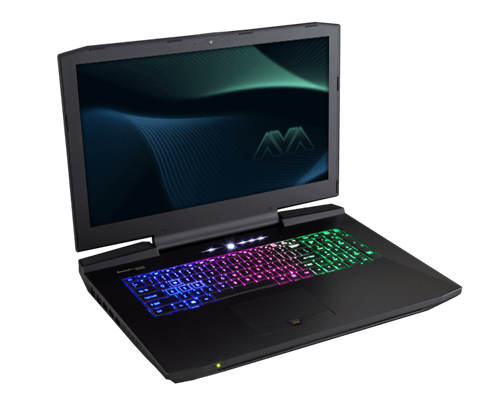
- Power Delivery: Standard USB-C with Power Delivery (PD) can handle up to 240W through a single port, but gaming laptops often require even more—up to 300W in some cases. These models remain exempt, preserving flexibility for performance-focused designs.
- Supply Chain Impact: Manufacturers will need to retool supply chains to phase out legacy connectors, while users may see shorter transition periods than with smartphones due to the broader adoption of USB-C in laptops already.
The rule does not apply to second-hand devices or computers sold outside the EU, limiting its immediate market ripple. However, industry analysts suggest this could accelerate global standardization if other regions follow suit.
Who Benefits—and Who Adapts?
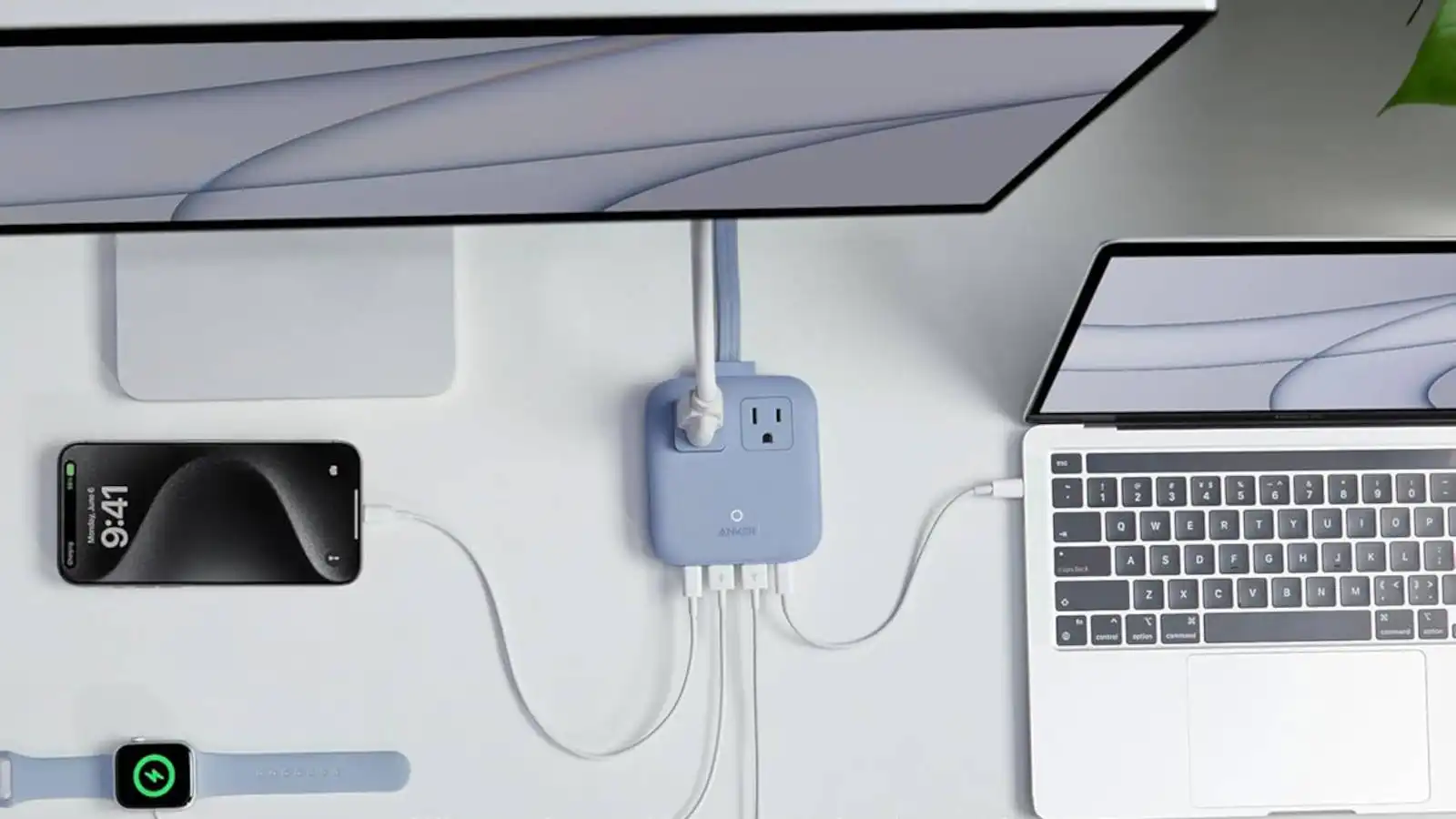
For everyday users and creators, the change simplifies charging setups, eliminating the need for multiple adapters. Gaming laptops, however, face a tighter constraint: while USB-C is becoming more common, high-wattage demands may push manufacturers toward proprietary cooling or power delivery solutions to avoid sacrificing performance.
Looking ahead, the EU’s move could pressure vendors to rethink thermal management and battery integration, as USB-C’s dominance in low-power devices leaves little room for innovation in charging infrastructure. For buyers, the shift means fewer choices—but potentially more consistency across brands.