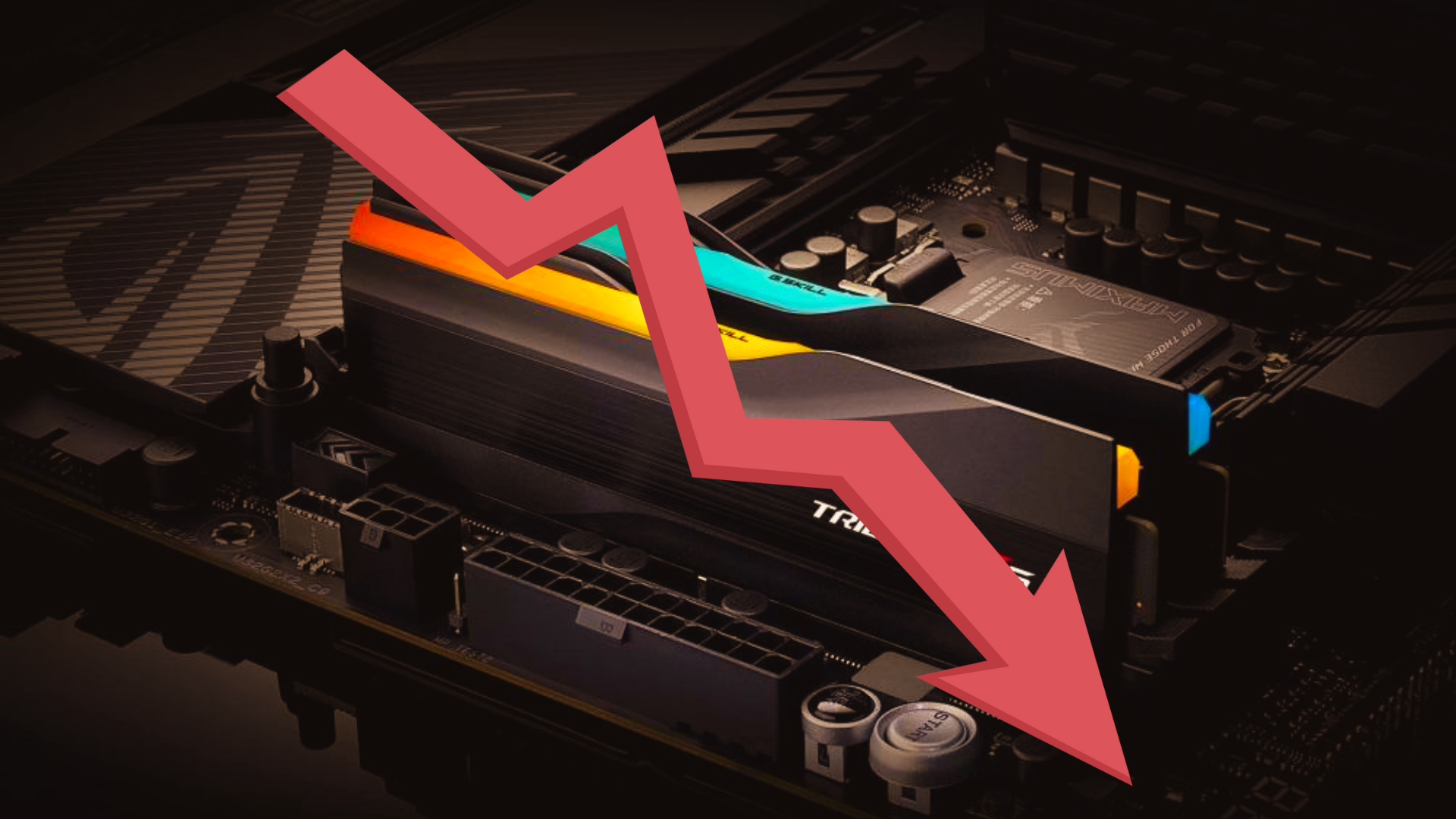
The first notable drop in DDR5 memory pricing in months has arrived, and it’s more than just a temporary dip. Estimated at around 10%, this adjustment signals that the market is stabilizing after periods of relative stagnation, with implications for data centers and AI-driven workloads.
This shift comes as major players like Google rethink their procurement strategies. Reports suggest Google’s TurboQuant initiative may be accelerating DDR5 deployment, though exact figures remain uncertain. Industry analysts describe this as part of a broader trend rather than a fleeting fluctuation—one where prices reflect true supply-demand dynamics rather than speculative peaks.
DDR5 memory remains unchanged in key specifications: modules still operate at 4800 MT/s speeds with capacities ranging from 16 GB to 256 GB per DIMM. However, the price reduction could make these configurations more accessible for large-scale deployments, potentially speeding up migration timelines.
- Higher bandwidth and improved power efficiency are well-documented advantages of DDR5.
- Thermal performance is better than DDR4, but power consumption per module remains 10-20% higher.
- Data center operators may face pressure to upgrade sooner due to cost savings on DDR5 modules.
The drop also raises questions about the future of legacy systems. As DDR5 becomes more affordable, older infrastructure running DDR4 could see increased pressure to transition, especially in AI workloads where performance gains are significant.
End users benefit from lower upfront costs, but tradeoffs remain. While DDR5 offers better performance, its higher power consumption and thermal demands must be managed carefully in densely packed data center environments. The shift away from artificial inflation means operators can now plan infrastructure investments with clearer cost expectations.
The most important takeaway is that the market for DDR5 memory is stabilizing at levels that reflect real supply and demand, not just speculative highs. This turning point could redefine how data centers approach their next generation of hardware without the distortions of past price cycles.