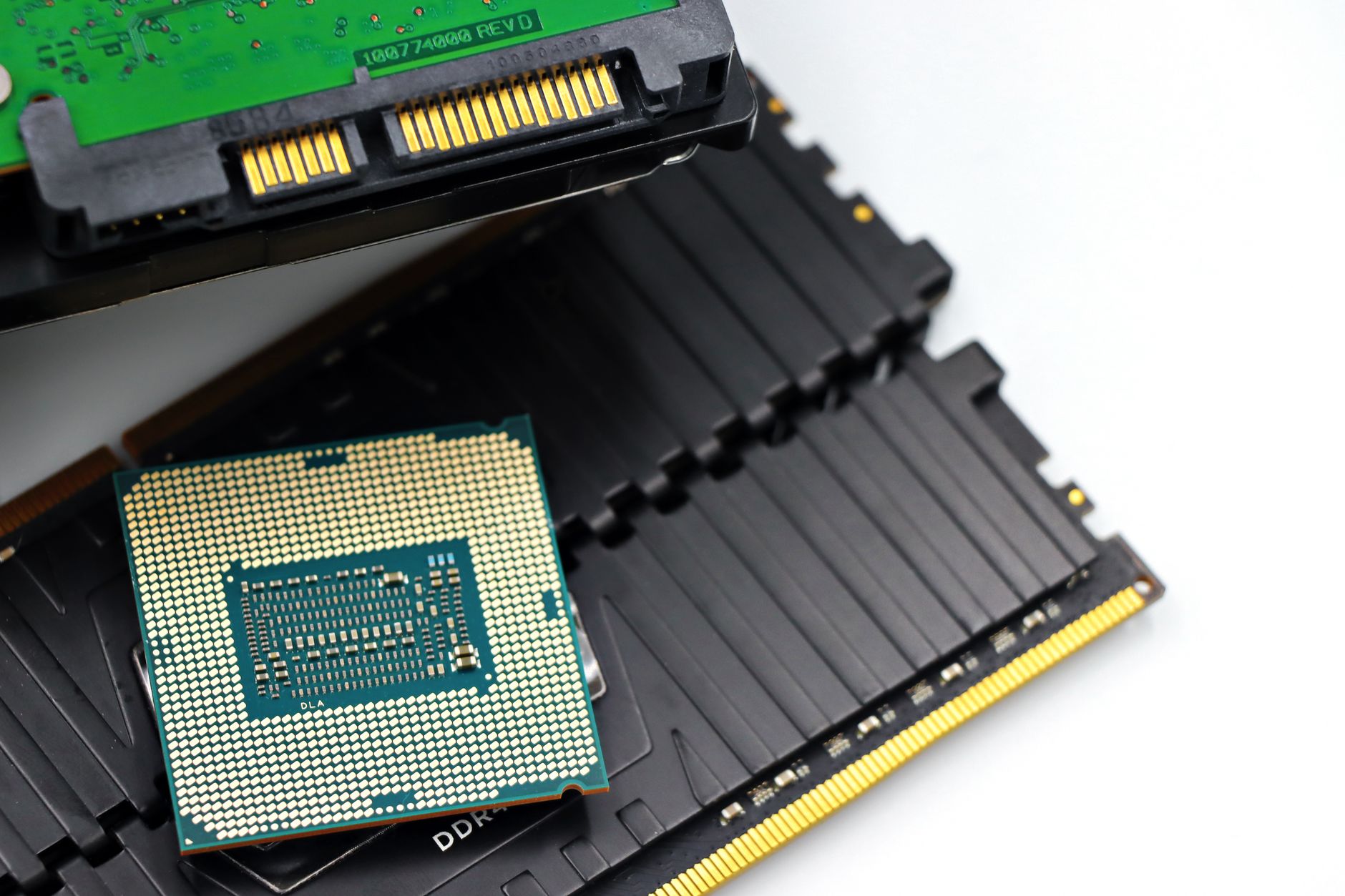
Memory prices have long been a barometer for tech market health, but right now, they’re breaking every rule. DDR5, the newer and more efficient standard, is supposed to be the premium choice—but in Q1 2026, DDR4 is the one commanding higher costs. Spot prices for DDR4 have climbed 172% this quarter, outpacing DDR5’s 76% increase, a reversal that underscores how tight the DRAM supply chain has become.
This isn’t just a blip. It’s a symptom of a deeper crisis: manufacturers are being forced to pay spot-market rates that reflect panic buying, and those costs aren’t yet filtering down to retail prices. For now, consumers are still seeing older DDR4 modules listed at lower prices than DDR5, but that window is closing fast.
The Spot Price Paradox
DRAM spot pricing—where manufacturers buy memory on short-term contracts rather than locking in long-term deals—has become a high-stakes gamble. SK hynix and Samsung, two of the largest suppliers, are now pushing for shorter-term agreements, demanding premiums that mirror today’s inflated spot rates. The problem? Most PC manufacturers rely on long-term agreements (LTAs) to stabilize costs, and those contracts are stuck in a lagging system.
Goldman Sachs analysts describe the current surge as just the beginning. With no signs of relief in sight, the firm expects downstream customers—including GPU and motherboard makers—to eventually pass these costs to consumers. That means the next generation of high-end PCs could face sticker shock, with memory modules contributing disproportionately to the final price.
Why DDR4 Is in the Crosshairs
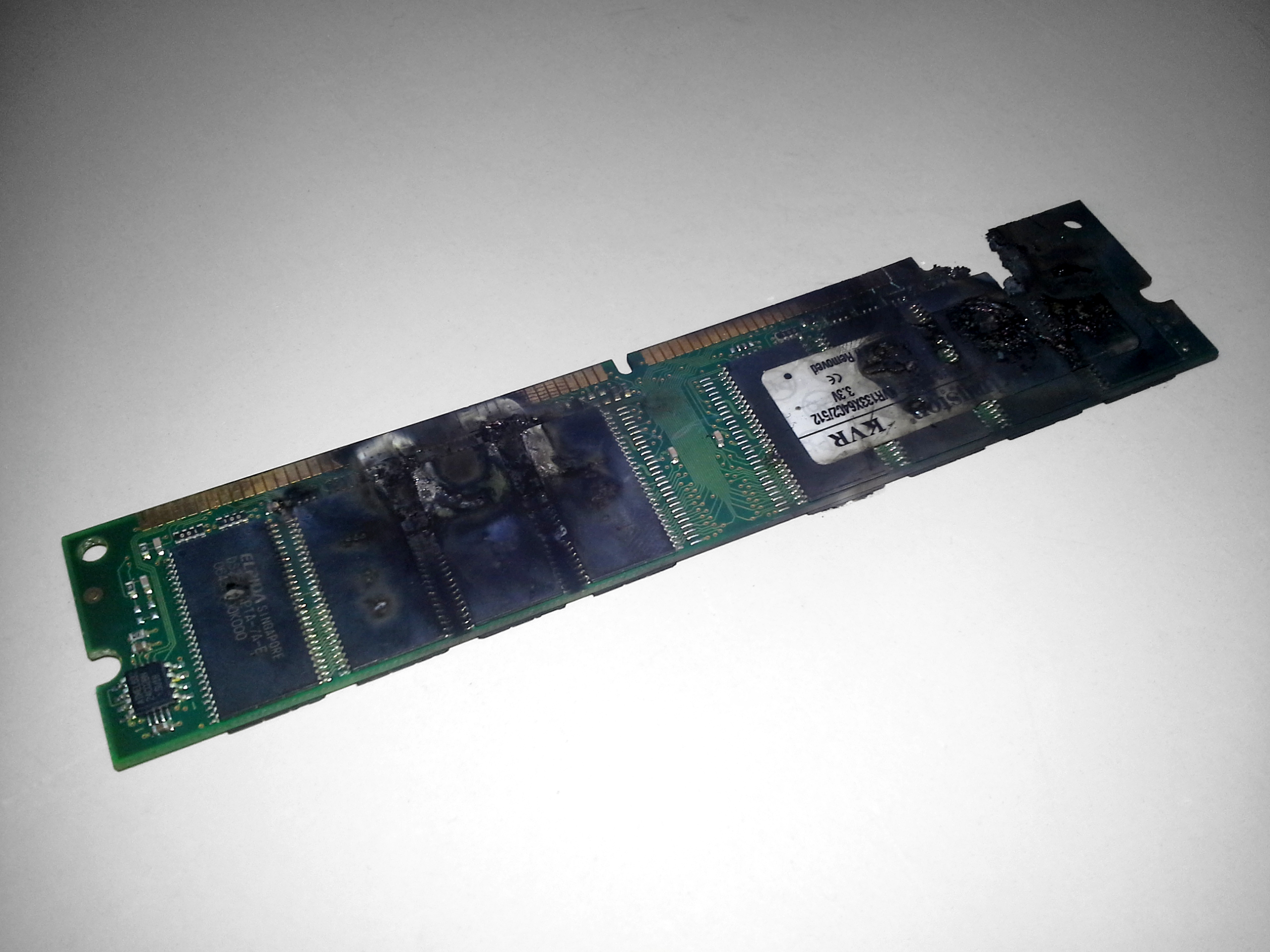
DDR4’s unexpected price surge isn’t about performance—it’s about availability. Older memory modules are still in demand for budget builds, servers, and legacy systems, but the supply chain is stretched so thin that even basic configurations are scarce. The result? Buyers are willing to pay whatever it takes to secure inventory, driving spot prices to unsustainable levels.
Meanwhile, DDR5 production is ramping up, but not fast enough to offset the broader shortage. The newer standard requires more complex fabrication, and manufacturers are still playing catch-up. Until then, DDR4 remains the default fallback—even if it costs more.
What’s Next for PC Buyers?
If current trends hold, the next few quarters could bring a double whammy: DDR5 prices will rise to meet DDR4’s inflated costs, while older modules become even harder to find. For now, the advice is simple: lock in deals on whatever memory is available, but brace for higher prices across the board.
The DRAM crunch isn’t just a memory problem—it’s a warning. Without a major supply-side intervention, the entire PC ecosystem could face prolonged disruptions, from gaming rigs to data centers.