Power users are facing a quiet but significant shift in how they approach CPU upgrades, one that could delay builds and stretch budgets without the dramatic price spikes seen during past memory crunches. The latest data suggests CPU shortages are tightening supply chains more broadly than previously anticipated, with ripple effects felt across desktops, laptops, and even embedded systems.
Unlike the 2017-2018 memory crisis, where prices for DDR4 modules surged by as much as 30% in a matter of months, the current CPU squeeze is more gradual. Intel’s recent warnings—echoed quietly across the industry—indicate that shortages are no longer limited to high-end desktop parts but are now affecting mid-range and mobile processors alike. This shift means power users must recalibrate their expectations for upgrade cycles, particularly when balancing performance gains against cost.
Performance vs. Price: The New Calculation
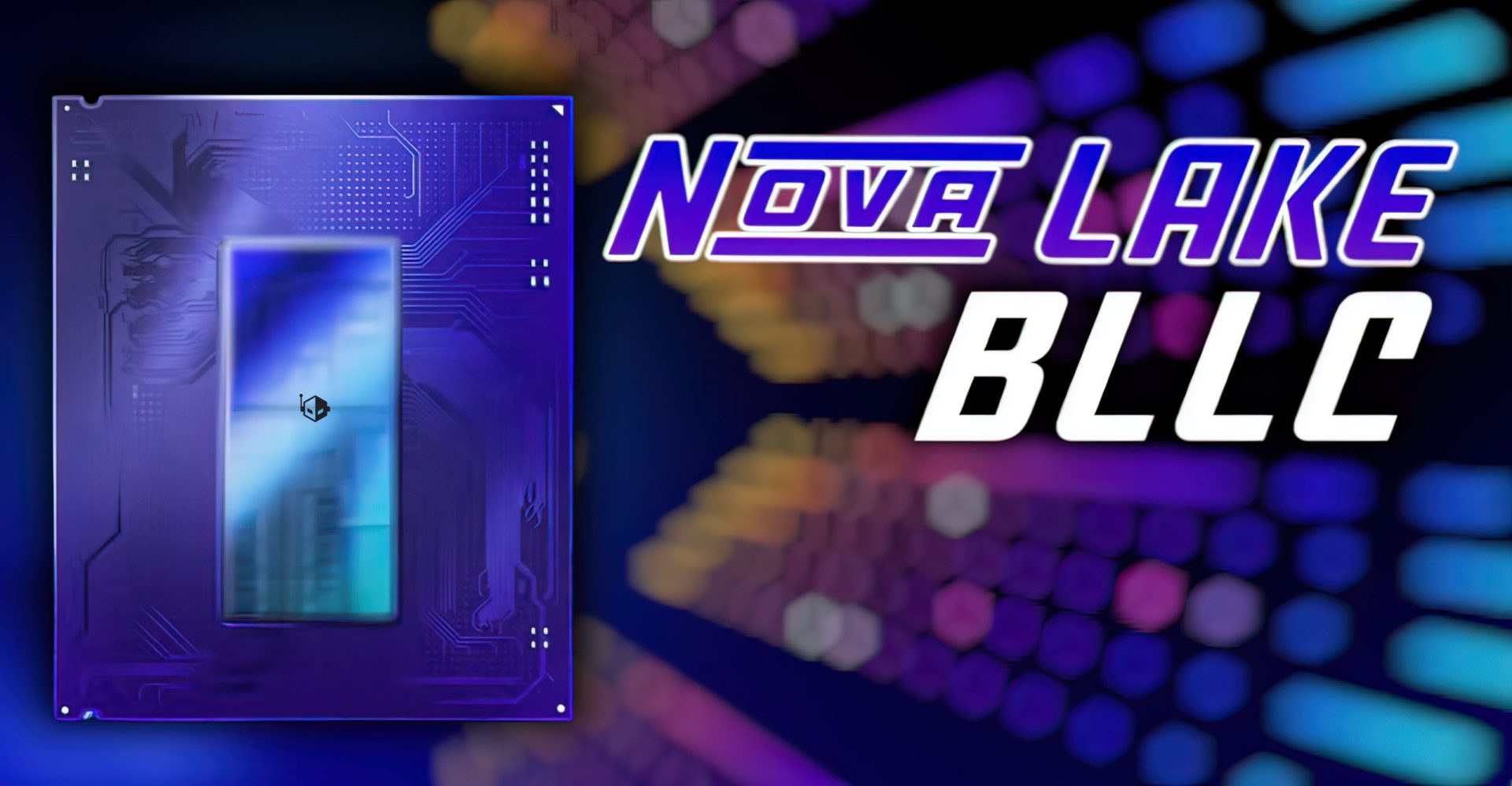
The core challenge lies in understanding what the shortages mean for real-world performance. While Intel’s 13th Gen Raptor Lake refresh delivers tangible improvements—up to a 15% leap in single-threaded performance over its predecessor—the increased demand for these chips is pushing prices upward, though not yet to crisis levels. For users who have been holding off on upgrades, the question isn’t just whether a CPU is worth the cost but whether it’s worth the wait.
Key specs for the latest desktop processors highlight both the advancements and the constraints
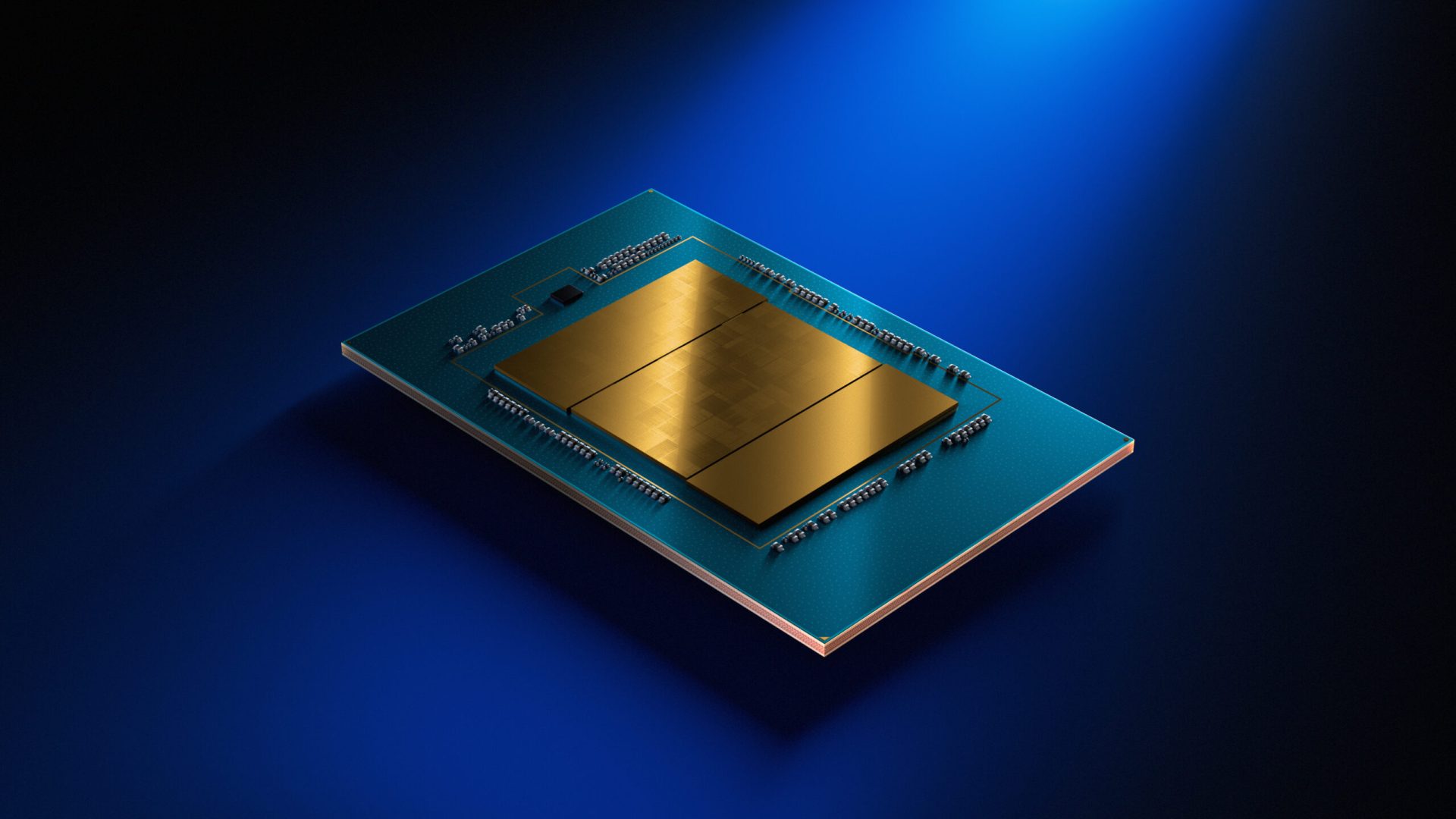
- Intel 13th Gen (Raptor Lake):
- Up to 24 cores / 32 threads with P-core improvements, reaching 5.8 GHz boost clocks.
- 160 MB of L3 cache, a 20% increase over previous generations.
- DDR5 support up to 5600 MHz, though real-world bandwidth gains are modest without compatible memory.
For power users, the tradeoff is clear: Raptor Lake delivers meaningful performance bumps for tasks like video editing and 3D rendering, but the increased demand means lead times for these parts can stretch beyond the typical 2-4 week window. Those who prioritize immediate availability might find themselves looking at older-generation CPUs—like Intel’s 12th Gen or AMD’s Ryzen 7000 series—which remain competitive in benchmarks but lack the latest architectural refinements.
Supply Chain Ripple Effects
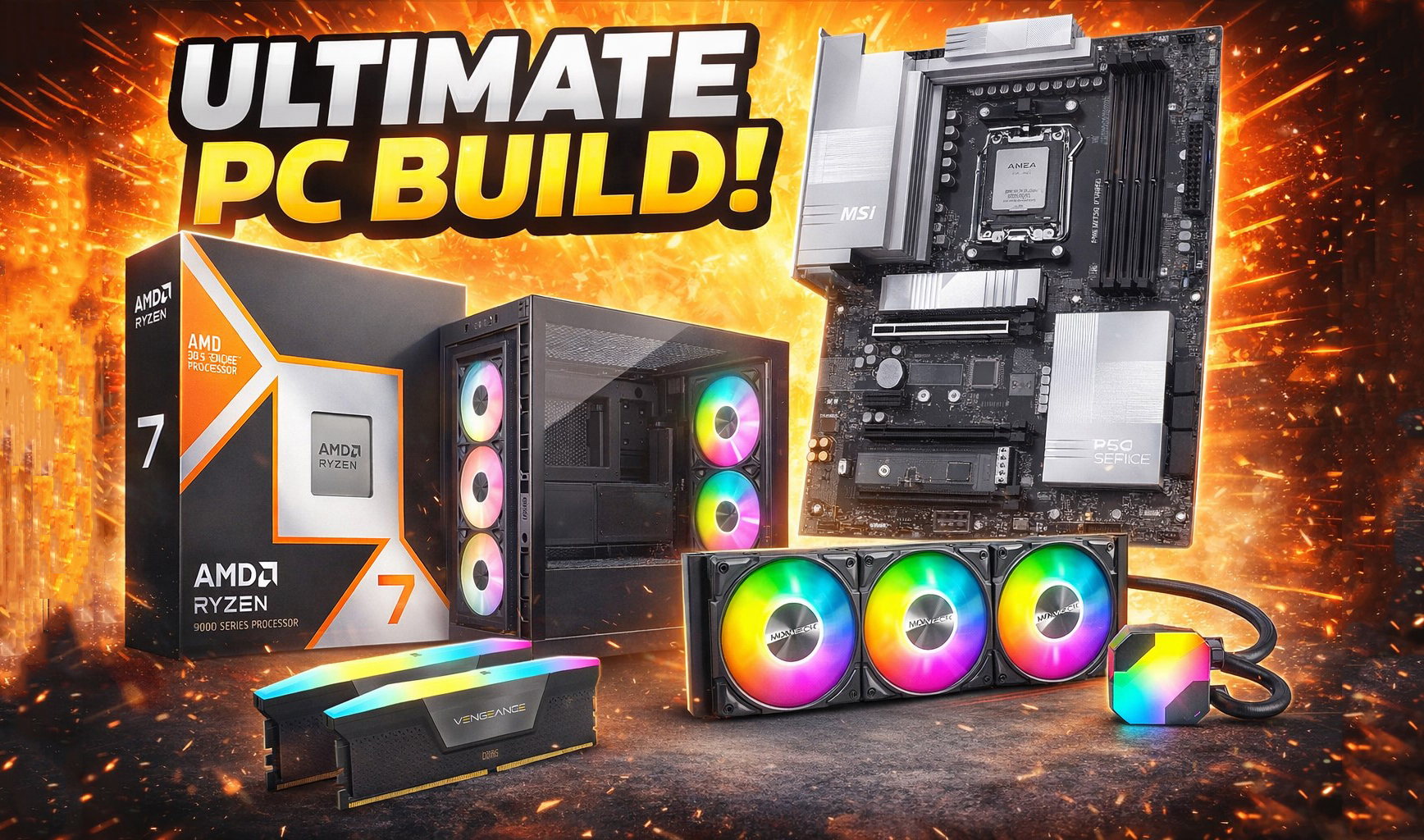
The broader impact of CPU shortages extends beyond just processor prices. Motherboard manufacturers, for example, are reporting longer lead times for chipsets that support the latest CPUs, which can cascade into delays for entire builds. This isn’t a full-blown crisis, but it’s enough to nudge power users toward more strategic purchasing—perhaps holding off on a refresh until inventory stabilizes or opting for slightly older parts if budget is a constraint.
A reality check: while benchmarks show clear performance gains with newer CPUs, the real-world benefit depends heavily on the workload. For gaming, the difference between a 13th Gen CPU and its predecessor may be marginal, whereas for professional workloads like rendering or AI acceleration, the jump is more pronounced. Users must weigh whether the performance edge justifies the potential price premium or wait for supply to normalize.
For now, the advice from industry insiders is simple: plan your upgrades with a longer timeline in mind. If you’ve been eyeing a high-end desktop build, locking in parts now—even if prices are slightly elevated—might be more practical than waiting for an uncertain future supply situation. The memory crisis taught power users to adapt; this CPU shortage is doing the same, but on a quieter, more measured scale.