Capcom has taken an unconventional route in crafting the New York level of its upcoming title, Pragmata. Instead of aiming for flawless environmental perfection, the developer has deliberately introduced AI-generated errors throughout the level to create a more dynamic and unpredictable experience. This decision is not just about aesthetics; it’s a strategic move that forces players to adapt their strategies on the fly, mirroring real-world unpredictability.
The game’s New York setting is designed to feel like an AI-generated environment, complete with glitches, inconsistencies, and imperfections that would typically be considered bugs. However, in Pragmata, these errors are intentional, serving as a narrative device to immerse players in a world that feels alive and evolving. For example, the game’s architecture may shift subtly between playthroughs, or certain elements might appear out of place, reinforcing the sense that the environment is not static but rather a product of an AI-driven process.
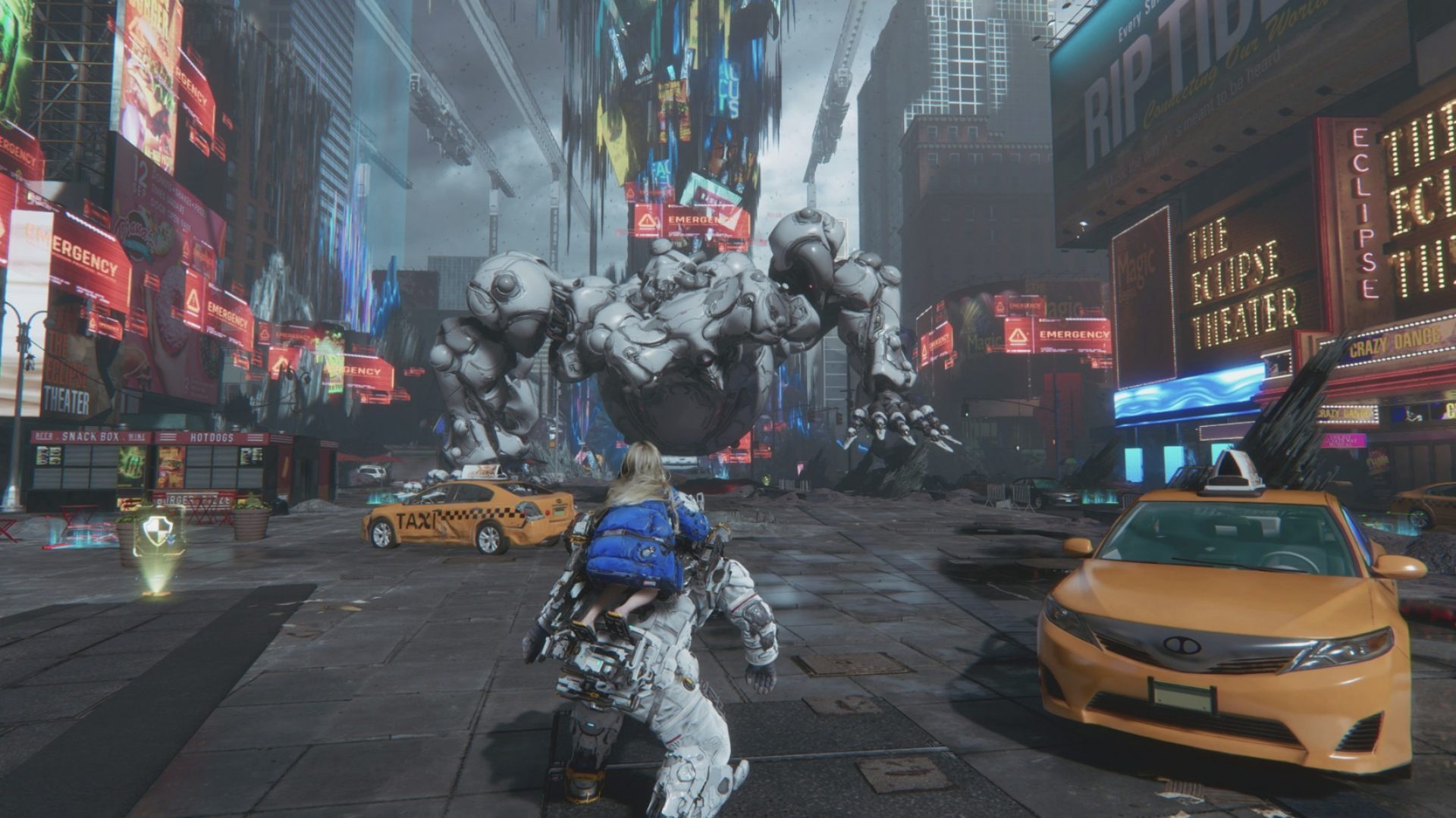
This approach contrasts sharply with Capcom’s previous titles, where environmental consistency was a priority. In games like Resident Evil or Monster Hunter, players expect a meticulously crafted world free from glitches. Pragmata flips that expectation, using AI to generate imperfections that add depth and unpredictability. The result is a level that feels more organic, even if it means encountering unexpected challenges or visual anomalies.
The implications of this design choice are significant. For players accustomed to polished environments, Pragmata introduces a new layer of challenge—one where adaptability is key. It also raises questions about how AI can be used not just for content generation but as a tool to shape player experience in more nuanced ways. Whether this approach will resonate with a broader audience remains to be seen, but it undoubtedly pushes the boundaries of what’s possible in game design.
At its core, Pragmata’s New York level is about embracing imperfection as a feature rather than a bug. By doing so, Capcom is redefining how AI can influence player immersion, setting a precedent for future games that prioritize unpredictability over perfection. The experiment may not appeal to everyone, but it’s a bold step forward in how developers can leverage AI to create more engaging and dynamic worlds.