The US gaming market in January 2026 was defined by two stark trends: Call of Duty: Black Ops 7 continued its dominance at the top of premium game sales, while hardware and subscription spending surged—driving a 3% increase in total industry revenue compared to the same period last year. The data, compiled by Circana, underscores a shifting landscape where console upgrades and recurring revenue models are outpacing traditional retail game sales.
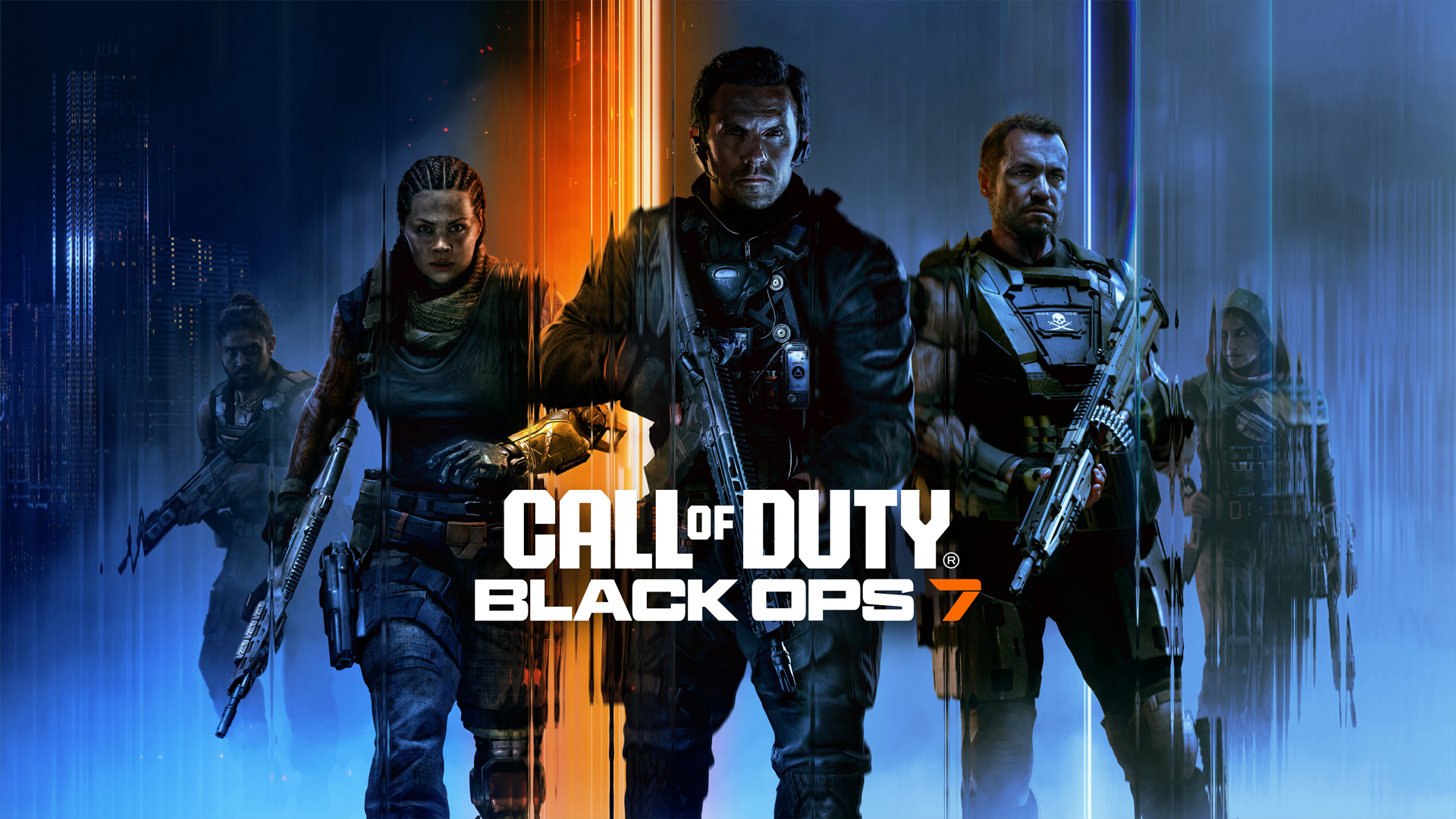
For the second month in a row, Black Ops 7* claimed the #1 spot in US premium game sales (physical and digital combined), reinforcing its position as the current benchmark for first-party shooter releases. Yet despite its strong start to 2026, the title remains in a tight battle with Battlefield 6, which held the #1 spot for all of 2025. The absence of major content updates for Battlefield 6 in January—its second season arrived late—appears to have accelerated its decline, dropping it from third to fifth place in the rankings.
Stability at the Top, Volatility Below
The top five games saw minimal shuffling, with NBA 2K26 holding onto second place, Minecraft climbing from eighth to fourth, and Madden NFL 26 swapping spots with Minecraft to take third. However, deeper in the charts, two titles stood out for their dramatic ascents
- Final Fantasy VII Remake vaulted from #225 in December to #9 in January, capitalizing on its December launch across Nintendo Switch 2, Xbox Series X|S, and PC. Its meteoric rise suggests strong holiday carryover demand, though it was likely buoyed by the lack of a competing major release in that slot.
- Fallout 4 re-entered the top 20 at #20 after a six-month absence, climbing from #68 in December. The Bethesda classic’s resurgence may reflect post-holiday price drops or renewed interest in its modded PC community.
On PC alone, Code Vein 2—the only new release in the top 20—topped the charts, though its console performance was overshadowed by Final Fantasy VII Remake’s cross-platform momentum.
Hardware and Subscriptions Fuel 3% Industry Growth
While Black Ops 7’s sales were strong, the broader 3% year-over-year increase in US gaming spending ($4.7 billion in January) was primarily driven by
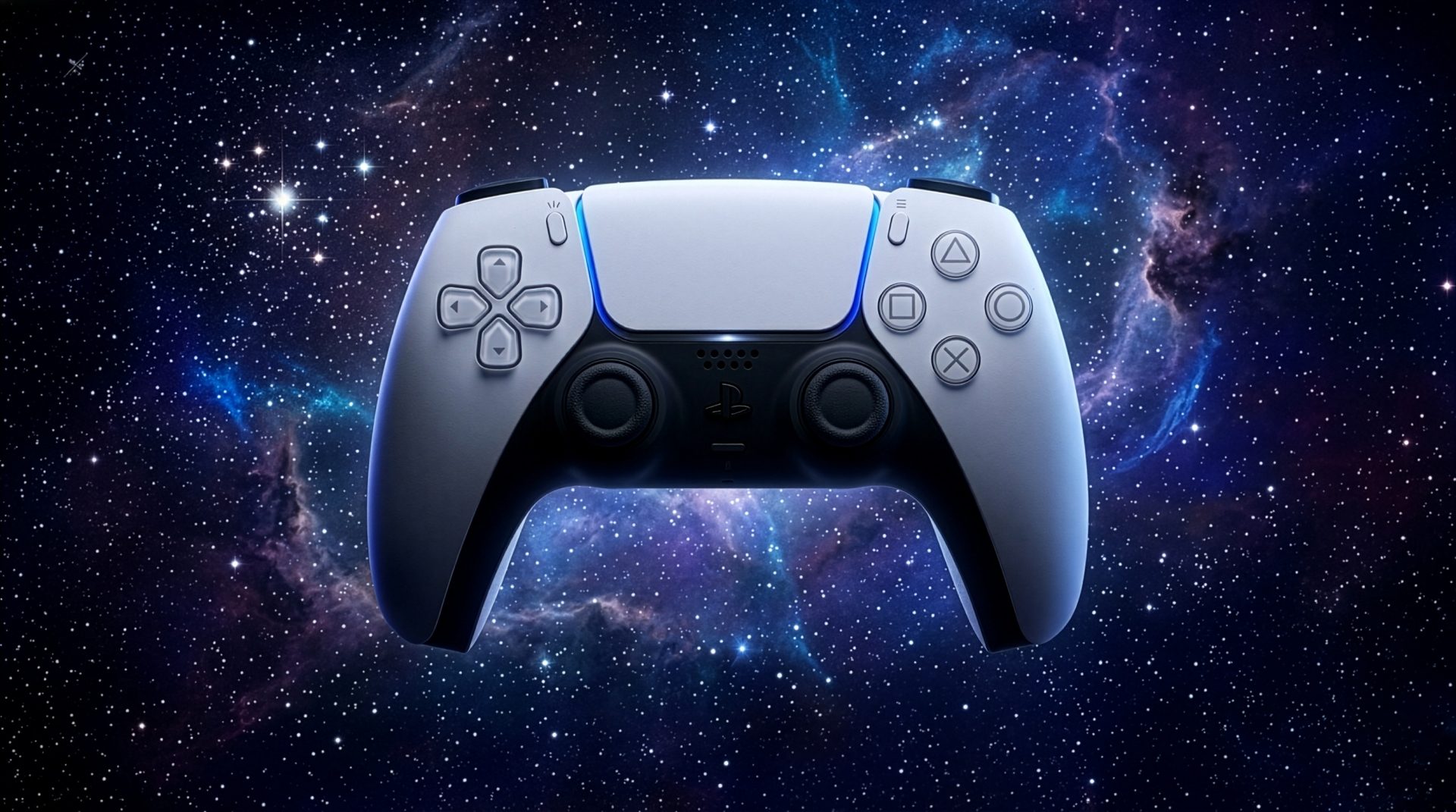
- Hardware sales: Up 16% YoY, with the PlayStation 5 and Nintendo Switch 2 leading console purchases. The data implies holiday gift cards were converted into new systems, particularly as the Switch 2’s launch in November 2025 gained traction.
- Subscription services: Grew 23% YoY, reflecting the continued rise of cloud gaming (e.g., Xbox Game Pass, PlayStation Plus) and mobile gaming subscriptions.
Accessories and peripheral sales also contributed to the growth, though their impact was less pronounced than hardware. The January report suggests that while blockbuster titles like Black Ops 7 and Final Fantasy VII Remake draw attention, recurring revenue and console upgrades are now the primary engines of industry expansion.
What’s Next?
February 2026 promises to test whether Black Ops 7 can sustain its lead, with Nioh 3 (a million-unit seller in Japan) and Resident Evil Requiem set to compete for player spending. Meanwhile, Battlefield 6*’s ability to regain its footing will depend on whether its upcoming content—such as potential multiplayer updates—can reignite interest.
For developers and publishers, the January data highlights a critical tension: premium titles still dominate sales rankings, but hardware and subscriptions are the growth levers. The challenge for 2026 will be balancing the release of high-profile games with strategies to capture share in these faster-growing segments.