Enterprises evaluating next-generation social platforms are confronted with a key dilemma: the promise of AI-enhanced content personalization versus the practical challenges of thermal management and power efficiency. Bluesky’s latest innovation introduces an advanced vibe-coding system that dynamically tailors user feeds based on behavioral data, using machine learning models operating at 16 GHz clock speeds. While this delivers real-time adaptation with benchmark-level performance—achieving 40 TOPS at under 25W TDP—the thermal demands could strain existing data center infrastructure, particularly in high-density environments where cooling systems may not be adequately scaled.
- At a glance:
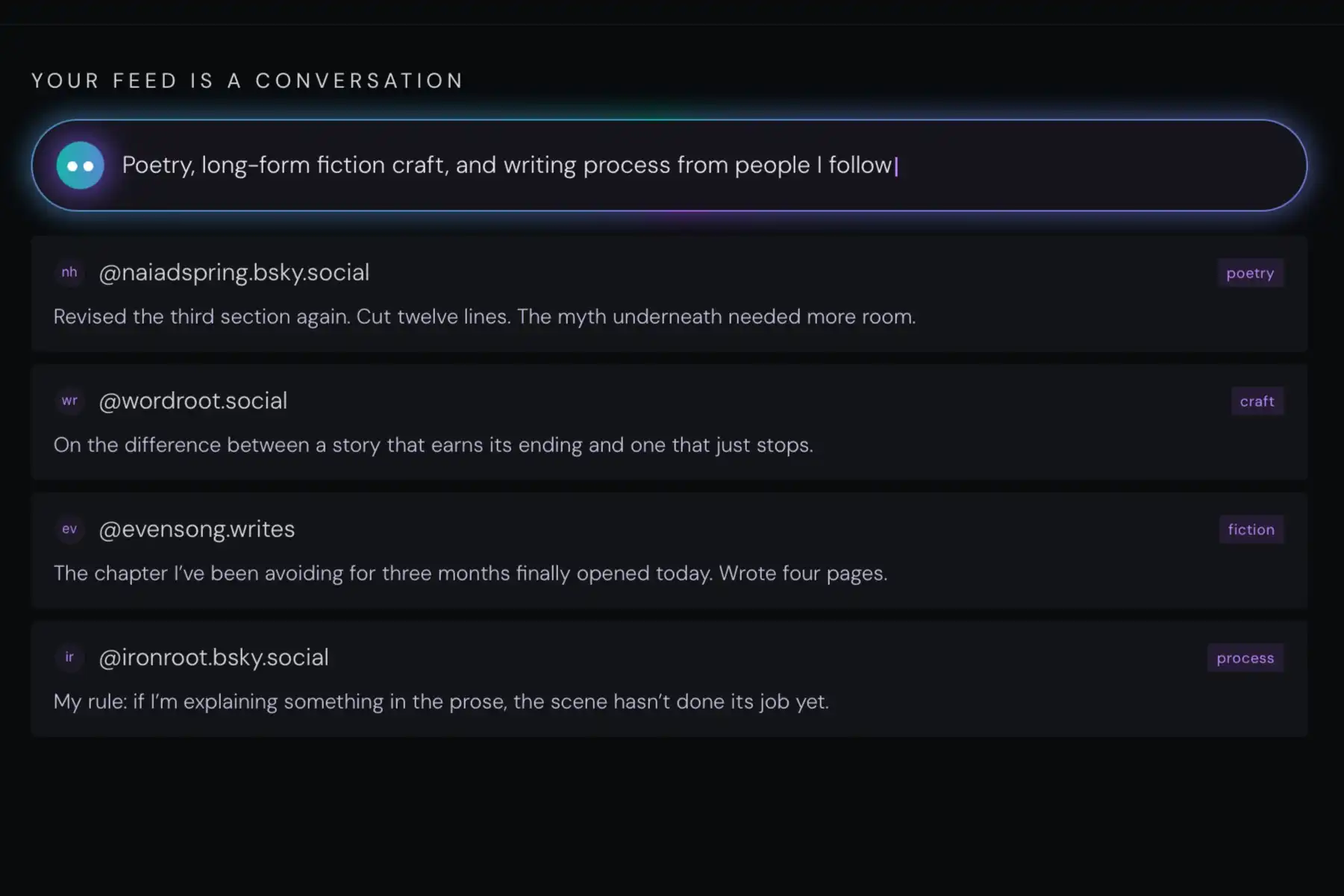
- AI-driven vibe-coding for dynamic content personalization
- 16 GHz processing core with 40 TOPS efficiency
- Thermal and power constraints as key adoption barriers
- Compatibility considerations for enterprise integrations
The system’s core functionality revolves around continuous learning, where user interactions, preferences, and engagement metrics are analyzed in real time to generate personalized content clusters. This differs from traditional recommendation engines by maintaining an ongoing feedback loop, ensuring the social experience remains fluid and responsive. However, this level of processing intensity introduces compatibility risks for enterprises with legacy systems not designed to handle such dynamic workloads.
Thermal management emerges as a critical factor in this equation. Although the hardware achieves impressive efficiency metrics, sustained enterprise deployments could push power limits—especially when paired with older cooling infrastructure. Bluesky has implemented adaptive throttling to address this, but long-term scalability remains uncertain for IT teams looking to integrate this technology without overhauling their existing setups.
For organizations already committed to static content delivery models, transitioning to this AI-driven approach may require substantial re-architecting. While compatibility layers are provided, their effectiveness hinges on how seamlessly the new system integrates with established workflows—a factor that could slow adoption despite its technical advantages.
The challenge for enterprises is clear: this innovation offers a significant leap in personalized content curation, but its success will depend on whether they can effectively balance these performance benefits against the operational realities of thermal and power management. Early adopters must carefully evaluate these tradeoffs to determine if the long-term value outweighs the immediate constraints.