Ayaneo has begun rolling out structural improvements to its global customer service operations ahead of the Chinese New Year, marking a significant shift for a company that has historically relied on direct-to-factory repairs for its handheld gaming PCs. The most immediate change involves the establishment of a US-based repair network, currently in validation testing. If successful, this will eliminate the need for owners of the Ayaneo Air 1S, Flip DS, or Kun to ship their devices back to China for warranty or repair work.
The company has also introduced a dedicated service email channel for urgent issue resolution, backed by expanded customer service hiring and standardized training. Response times for after-sales inquiries are now targeted at 24–48 hours, a notable upgrade for a brand that has scaled rapidly through crowdfunding campaigns but historically operated with lean support infrastructure.
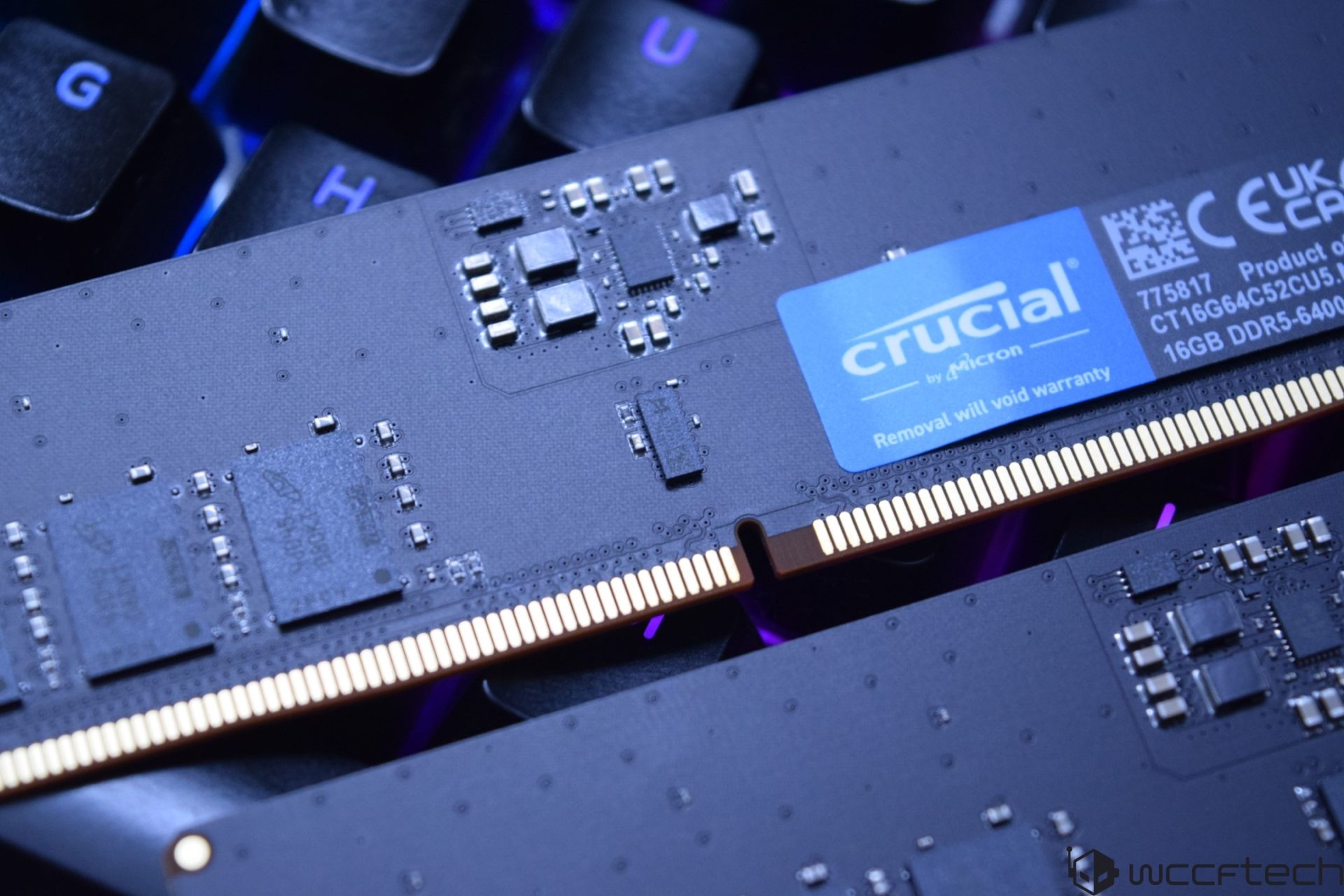
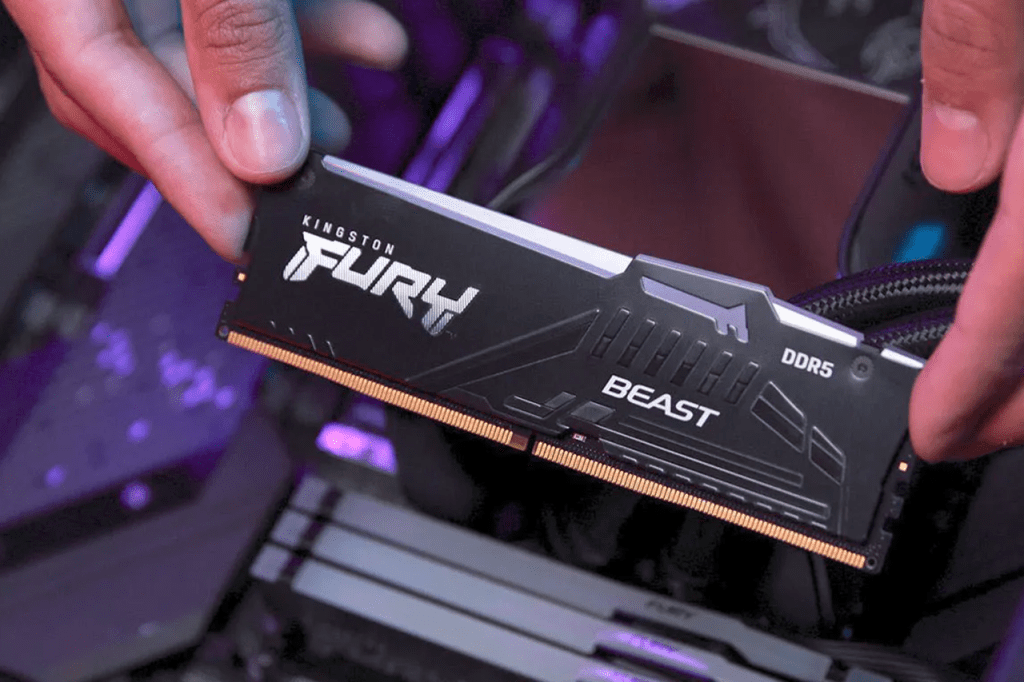
While these moves address long-standing pain points for international buyers, Ayaneo’s broader 2026 outlook faces headwinds from a global DRAM and SSD shortage. The company acknowledges that pricing for new models—particularly the Next 2, which features a 115Wh battery and high-capacity memory—has been directly impacted by rising component costs. Existing products may also require price adjustments or temporary unavailability due to supply constraints.
The Repair Revolution
For a company founded just six years ago, Ayaneo’s expansion has been meteoric. Its lineup now includes multiple handheld gaming PCs, but until now, repairs have required shipping devices back to its factory in China—a logistical hurdle for customers outside Asia. The upcoming US repair centers, if fully operational, would align its service model with established PC brands like Asus or MSI, where localized support is standard.

Beyond repairs, the company is consolidating customer service under a single email portal, with a stated goal of reducing resolution times. While no specific past issues were highlighted, the move suggests Ayaneo is proactively addressing scalability challenges as its user base grows.
A Supply Chain Catch-22
The repair improvements come with a caveat: Ayaneo’s ability to introduce new hardware in 2026 is now tied to an unpredictable market. The company has explored partnerships with Chinese DRAM manufacturers like CXMT, a strategy adopted by Dell and HP amid shortages. However, CXMT’s production is increasingly diverted to HBM3 memory for AI workloads, leaving conventional DRAM in short supply. This could force Ayaneo to either raise prices on high-memory devices or delay launches entirely.
Unlike larger tech firms that can absorb such volatility through economies of scale, Ayaneo’s niche focus on handheld gaming PCs makes it particularly vulnerable. Enthusiasts and early adopters—its core customer base—may face delays or higher costs for upcoming models, including the Next 2, which demands substantial memory and storage capacity.
The company’s dual approach—expanding repair access while navigating supply chain turbulence—highlights the balancing act for hardware startups. For now, the repair upgrades offer immediate relief, but 2026’s success will hinge on whether DRAM and SSD costs stabilize or if Ayaneo can secure alternative supply chains.