The ASUS ROG Ally is pushing boundaries in portable computing by integrating two screens into a single device—a 13-inch main display paired with an 8-inch front-facing touchscreen. This dual-screen layout isn't just about aesthetics; it enables dynamic workflows where users can split applications, visualize projects from multiple angles, or even experiment with augmented reality tools. The result is a machine that feels more like a desktop in terms of functionality but remains lightweight enough to carry anywhere.
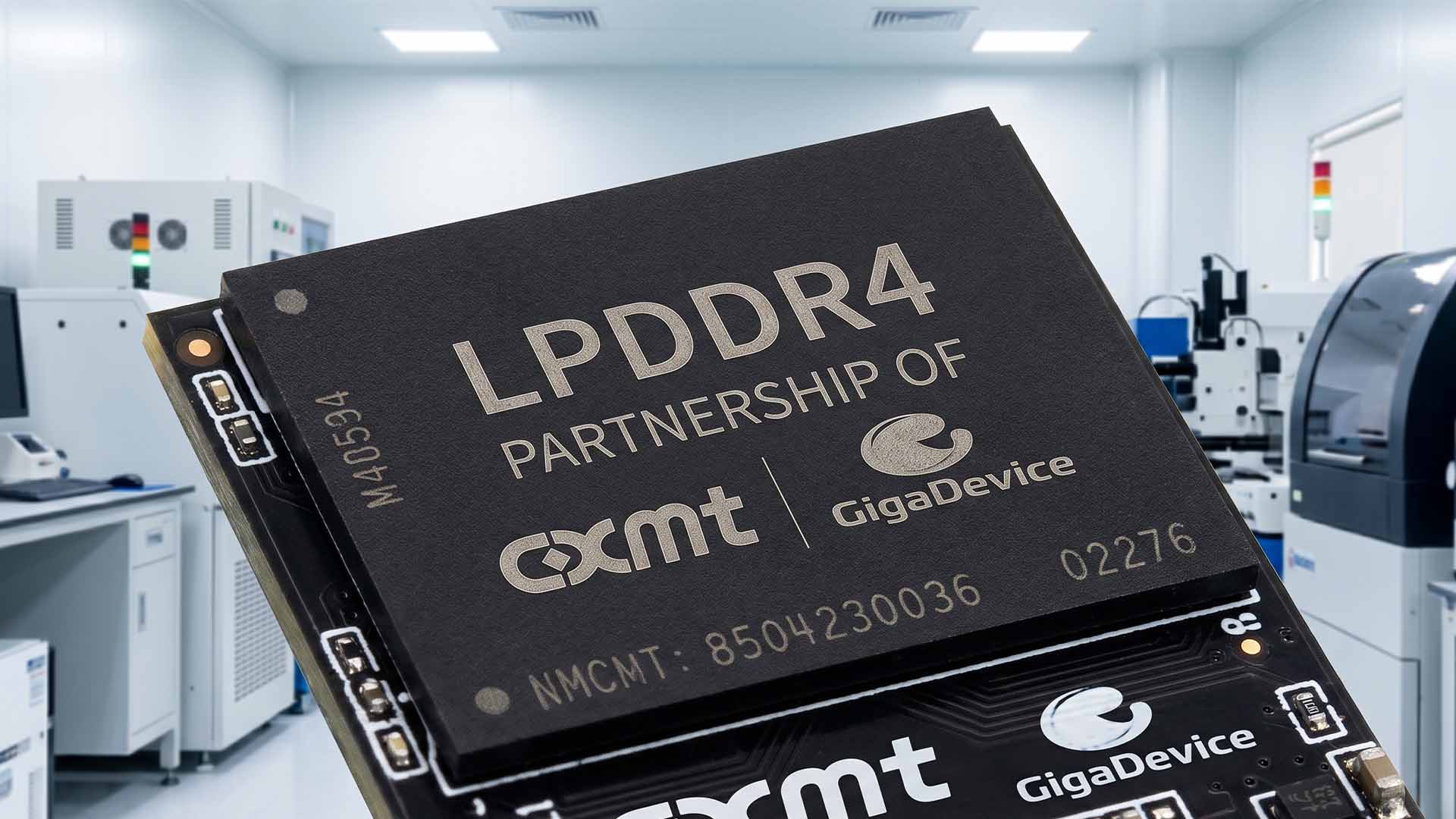
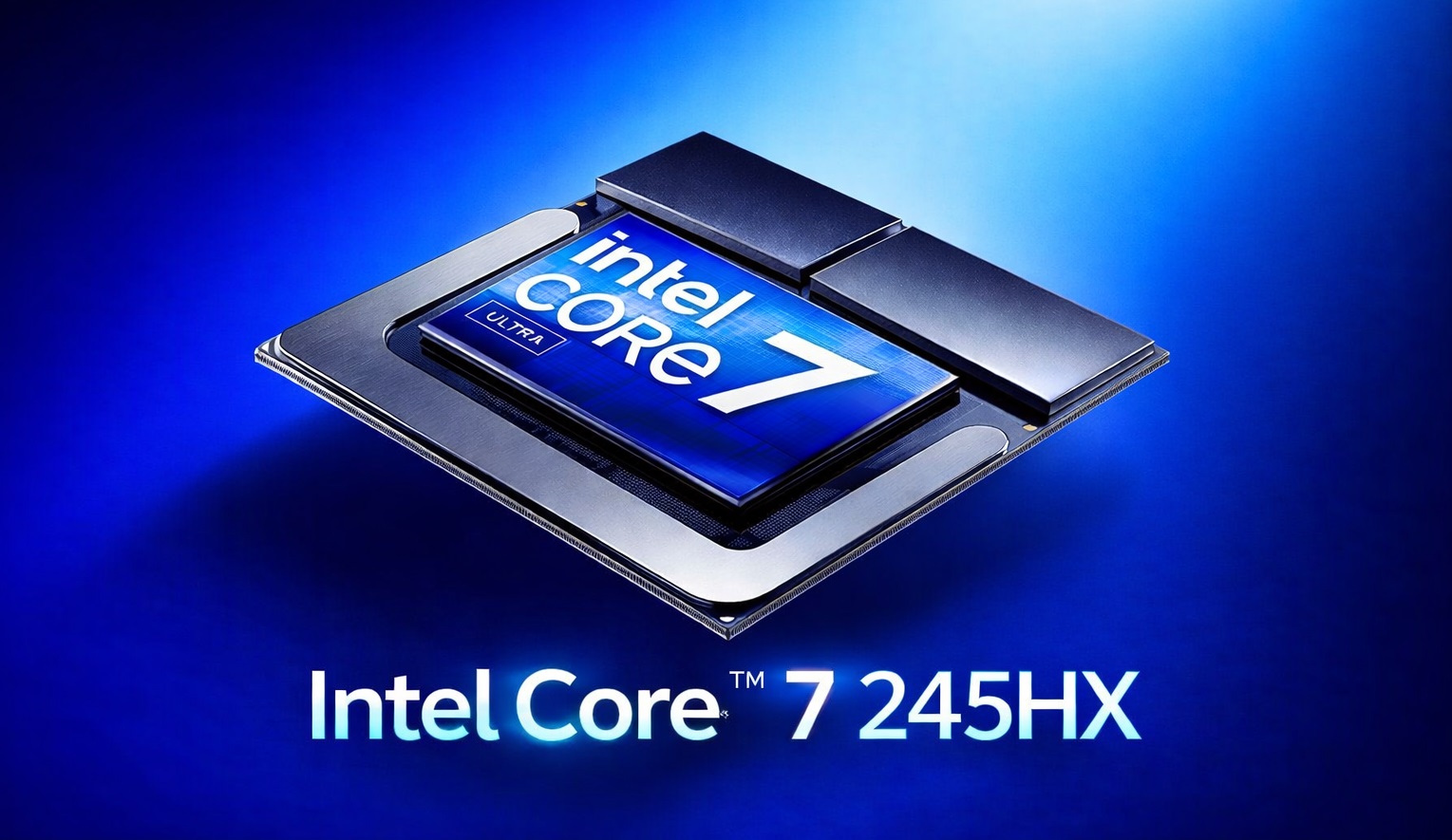
At the heart of this innovation is Windows on ARM, a platform that ASUS has embraced to deliver both power and efficiency. Traditional x86 laptops often struggle with battery life under heavy workloads, but the ROG Ally counters this by leveraging ARM's energy-saving advantages without sacrificing performance. Under the hood, it houses up to an Intel Core Ultra 7 processor, 32 GB of LPDDR5X RAM, and a 1 TB NVMe SSD—a combination that ensures smooth execution for tasks like coding, 3D modeling, or video editing.
While the dual-screen design is undeniably the ROG Ally's standout feature, it also introduces practical considerations. The main display boasts a resolution of 2880 x 1800 pixels, providing sharp visuals for detailed work, while the smaller touchscreen serves as an auxiliary canvas for quick interactions or supplementary views. However, this setup may not appeal to users accustomed to traditional single-screen laptops, where screen real estate is more linear and predictable.

Compatibility with existing software is another key aspect of the ROG Ally's design. Windows on ARM has made significant strides in recent years, but some legacy applications still require x86 emulation, which can impact performance. Developers working on ARM-native projects will find this a non-issue, while others may need to test their workflows for optimal compatibility. That said, the ecosystem is growing rapidly, and Microsoft's push toward ARM-friendly software should address these concerns over time.
For those who prioritize portability without compromising performance, the ROG Ally offers two configurations. The base model starts with an Intel Core Ultra 5 processor, 16 GB of RAM, and a 512 GB SSD, priced at $999. The higher-end variant steps up to the Ultra 7 processor, 32 GB of RAM, and a 1 TB SSD, catering to users with more demanding needs. This pricing positions it as one of the most accessible options in its category, making advanced portable computing more attainable.
Ultimately, the ASUS ROG Ally is a testament to how far portable computing has come. It proves that cutting-edge performance doesn't require a bulky chassis or a hefty power draw. For creators and developers who need both agility and processing muscle, this device delivers—albeit with a design that challenges conventional expectations of what a laptop should be.