AMD’s Ryzen 9800X3D has long been hailed as a powerhouse for gamers and content creators, but its launch has been overshadowed by a growing wave of compatibility issues—this time centered on Asus motherboards. Users are reporting that systems built with the latest AMD CPU and select Asus boards are failing to boot, with some even rendering the motherboard unusable. The problem mirrors earlier reports involving ASRock, but the scale and severity appear more pronounced.
Initial accounts describe systems powering on only to immediately shut down or display no response at all. In some cases, the motherboard’s BIOS becomes inaccessible, forcing users to replace the entire board. While Asus has yet to confirm a direct cause, the pattern suggests a potential firmware or power delivery conflict between the CPU and motherboard chipset. The Ryzen 9800X3D’s 3D V-Cache architecture, though a performance boon, introduces unique thermal and electrical demands that may not align with existing motherboard designs.
The issue is particularly concerning for users who have already invested in high-end builds. The Ryzen 9800X3D’s 12nm process and 4.2GHz base clock (with boost speeds reaching 5.0GHz) demand precise power regulation and cooling solutions. Early motherboard models, even those certified for Ryzen 7000 series, may lack the necessary refinements to handle the 9800X3D’s specific requirements. Asus’s response—a formal internal review—indicates the company is treating the matter seriously, but for now, affected users remain in limbo, weighing whether to risk a refund or gamble on a firmware update.
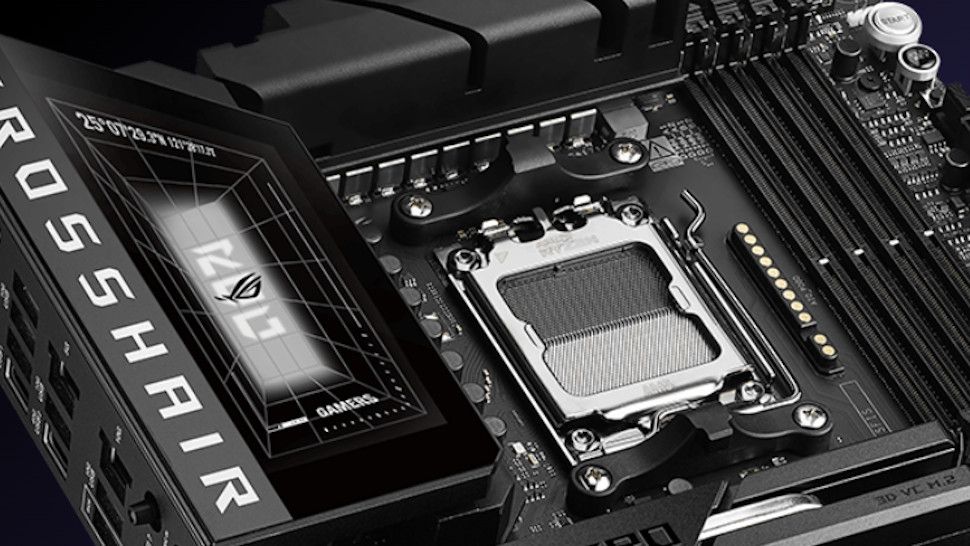
Key specs of the affected components
- AMD Ryzen 9800X3D: 8 cores / 16 threads, 12nm, 4.2GHz base clock, up to 5.0GHz boost, 128MB 3D V-Cache, 170W TDP.
- Reported affected Asus motherboards: Primarily AM5-based models (e.g., ROG Strix X670E, TUF Gaming X670E), though not all users experience issues.
- Symptoms: System fails to POST, BIOS inaccessible, motherboard bricking in some cases.
The root cause likely stems from either inadequate VRM (voltage regulator module) design or BIOS incompatibilities. The Ryzen 9800X3D’s higher power draw and thermal output could push older motherboard VRMs beyond their intended limits, especially under sustained loads. Meanwhile, BIOS updates may not yet account for the CPU’s unique power states. For users planning a build, this serves as a cautionary note: compatibility testing is still evolving, and not all motherboards are created equal.
Asus has not issued a public statement on timelines for fixes, but the company’s history suggests a mix of BIOS updates and hardware revisions could follow. In the interim, users are advised to verify motherboard models against Asus’s official compatibility lists and consider delaying purchases until further clarity emerges. The incident underscores a broader industry challenge: as CPU architectures advance, motherboard manufacturers must adapt rapidly—or risk leaving consumers with non-functional hardware.