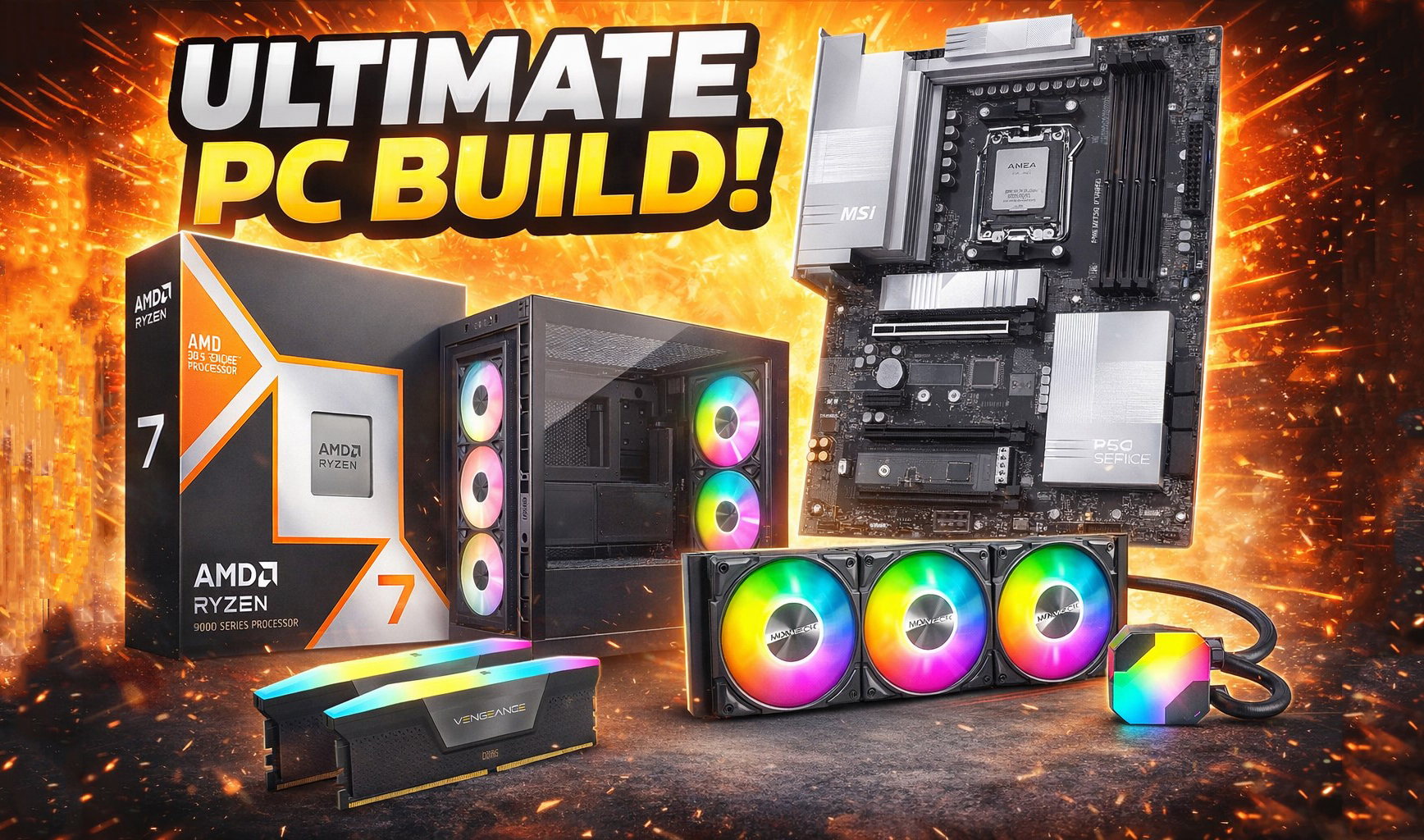
Intel’s Core Ultra 200S Plus series has quietly expanded its reach in the PC market, and ASUS is leading the charge with support across five chipset families. The move grants builders a broader range of choices for balancing raw power with efficiency, but not all configurations will suit every workload or budget.
ASUS has announced that its motherboard lineup now includes the Z890, Q870, B860, H810, and W880 chipsets—each tailored to different segments of the market. The Z890 remains the flagship for high-end builds, while the B860 offers a more affordable alternative with strong performance. Meanwhile, the H810 targets budget-conscious users who prioritize efficiency over raw speed.
Performance and Efficiency in Focus
The Core Ultra 200S Plus series brings several key improvements over its predecessors, including enhanced power efficiency and better thermal management. These processors are designed for both gaming and productivity workloads, with a focus on reducing heat output while maintaining high clock speeds.
- Chipset: Z890, Q870, B860, H810, W880
- Processor Support: Intel Core Ultra 200S Plus series (up to 300W TDP)
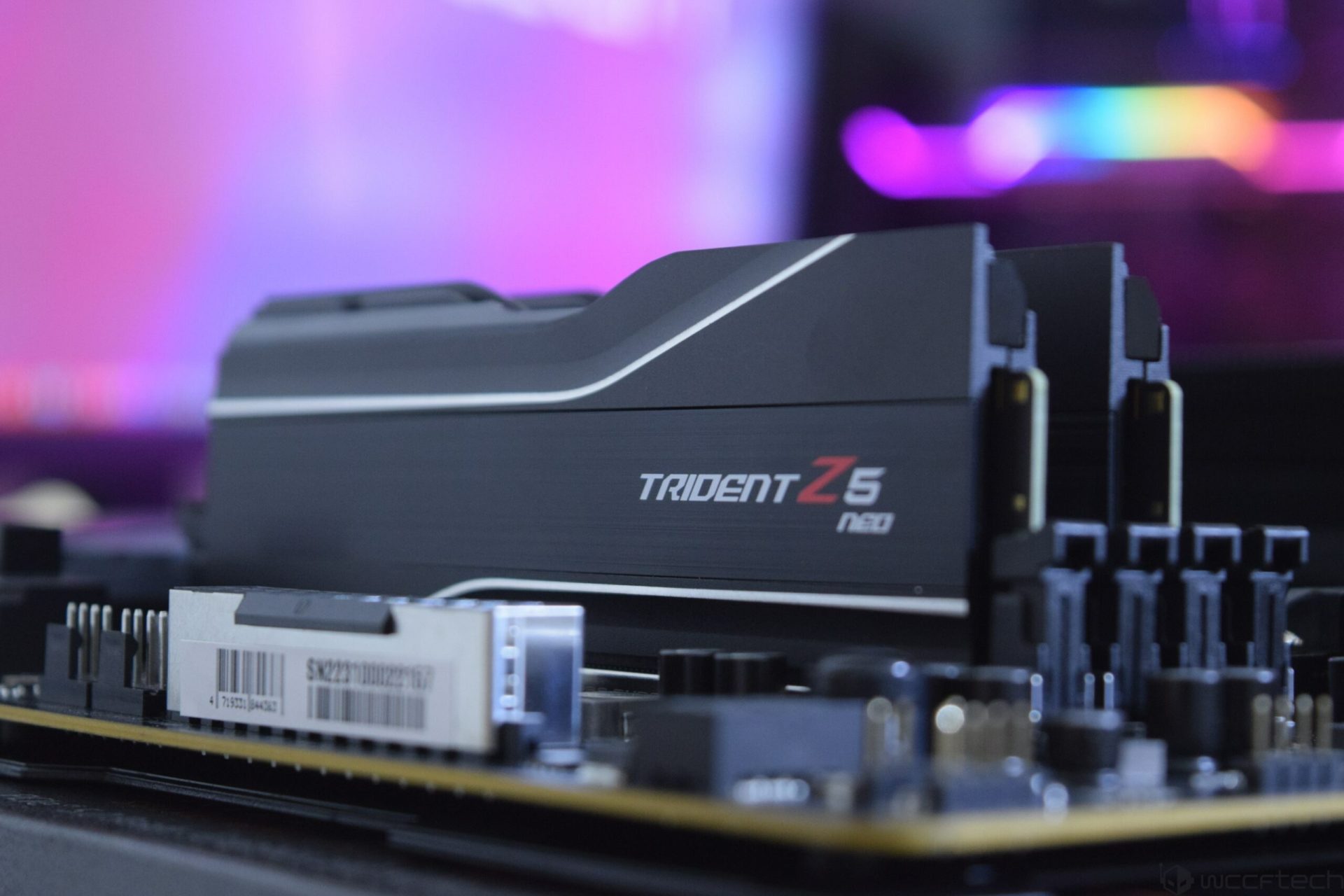
- Memory: DDR5 up to 4800MHz (OC support varies by model)
- Storage: PCIe Gen 5.0, M.2 slots with PCIe Gen 4.0 support
- Connectivity: USB 3.2 Gen 2x2, Thunderbolt 4 (on select models), Wi-Fi 6E
For enthusiasts, the Z890 remains the top choice, offering robust VRM cooling and extensive overclocking support. However, those on a tighter budget may find the B860 or H810 more appealing, especially if they prioritize efficiency without sacrificing too much performance.

Market Dynamics: Who Benefits?
The expansion of Core Ultra 200S Plus support reflects a broader trend in the market toward processors that balance power and efficiency. While high-end users will still gravitate toward the Z890 for its overclocking capabilities, mid-range chipsets like the B860 are gaining traction as they offer near-flagship performance at a lower cost.
For everyday users, the choice of chipset will largely depend on their needs. Gamers and content creators will likely opt for the Z890 or Q870, while office workers or casual users may find the H810 sufficient. The W880, with its focus on workstation applications, bridges the gap between gaming and productivity builds.
Looking Ahead: What’s Next?
The addition of Core Ultra 200S Plus support to these chipsets marks a significant step forward for ASUS, but the full impact remains to be seen. While the processors themselves are confirmed, details on specific motherboard models and pricing are still under wraps. Builders should keep an eye out for official announcements as more options become available.
One thing is clear: the market is shifting toward processors that deliver both performance and efficiency, and ASUS is positioning itself at the forefront of this change. Whether that translates to better value or simply more choices remains a question for the future.