In the evolving landscape of healthcare technology, ASUS is stepping into a new frontier with an AI-powered platform that could redefine how patients are monitored remotely. The system, which combines machine learning with medical-grade hardware, aims to bring precision diagnostics and real-time insights directly to clinicians—without requiring on-site visits for many routine checks.
At the heart of this initiative is ASUS’s proprietary AI engine, trained on vast datasets to detect subtle patterns in patient vitals that might escape human observation. The platform aggregates data from wearables, IoT sensors, and even smartphone-based health apps, then processes it through a cloud infrastructure optimized for low latency. This allows doctors to receive actionable alerts within seconds, rather than waiting for scheduled reports or manual reviews.
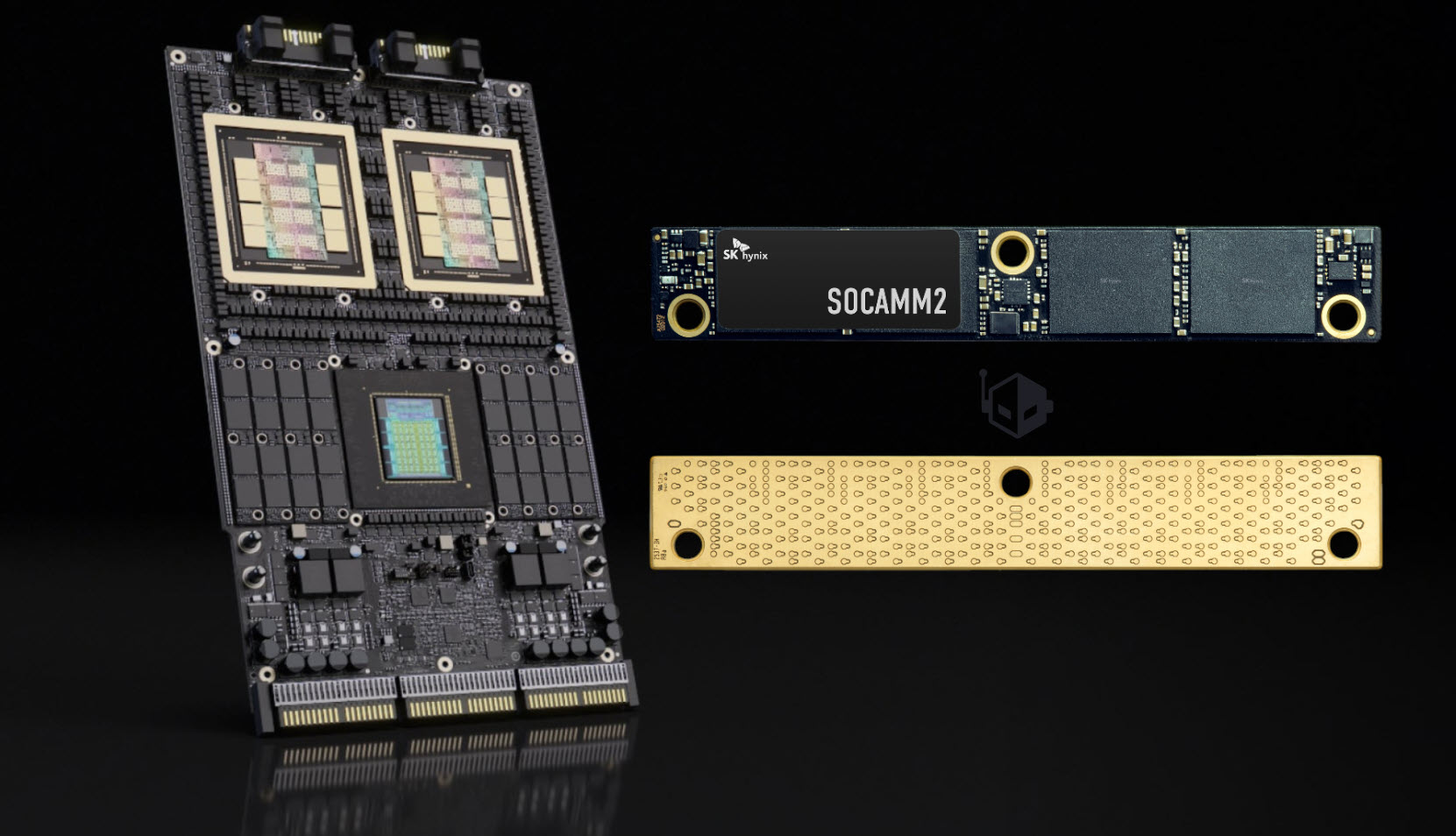
What sets this apart is the integration of high-performance computing components, including ASUS’s own AI-accelerated modules, which handle the heavy lifting of data analysis without overwhelming local networks. For clinics already invested in digital health infrastructure, the upgrade path appears straightforward: existing devices can be retrofitted with ASUS’s software stack, or new hardware bundles can be deployed for those starting from scratch.
The immediate benefit for power users—clinicians and IT administrators in healthcare settings—is a significant reduction in administrative overhead. Routine monitoring tasks, such as blood pressure trends or glucose level tracking, are automated, freeing up staff to focus on complex cases. The system also includes compliance features built into its architecture, ensuring that sensitive patient data remains secure even when processed across multiple cloud regions.
Looking ahead, the timing of this release is critical. As global healthcare systems strain under increased demand, solutions that streamline workflows without sacrificing accuracy are in high demand. ASUS’s platform positions itself as a scalable answer to these challenges, but adoption will hinge on its ability to integrate seamlessly with legacy systems—a hurdle many vendors still face.
For those on the fence about upgrading, the key question is whether the efficiency gains outweigh the initial investment. Early benchmarks suggest that clinics using similar AI-driven tools see a 30% reduction in time spent on data review, along with fewer misdiagnoses due to human error. If ASUS can match or surpass these metrics, it could become a standard component in modern medical workflows.
The long-term implications for the supply chain are also worth noting. Manufacturers of wearables and medical sensors will likely need to adapt their products to ASUS’s software ecosystem, potentially creating new market segments for compatible hardware. Meanwhile, hospitals may find themselves prioritizing partnerships with vendors that offer robust AI integration, rather than just raw performance specs.
Ultimately, the most immediate beneficiaries will be patients in remote or underserved areas, where access to specialized care is limited. If ASUS’s system delivers on its promises, it could bridge gaps in healthcare delivery while setting a new benchmark for what’s possible with AI-assisted monitoring.