Arm’s move into silicon production marks a turning point in data center design, particularly for agentic AI workloads. By developing its own processors, Arm is addressing the need for architectures that balance computational density with energy efficiency—a critical consideration as AI models grow more complex and power-hungry.
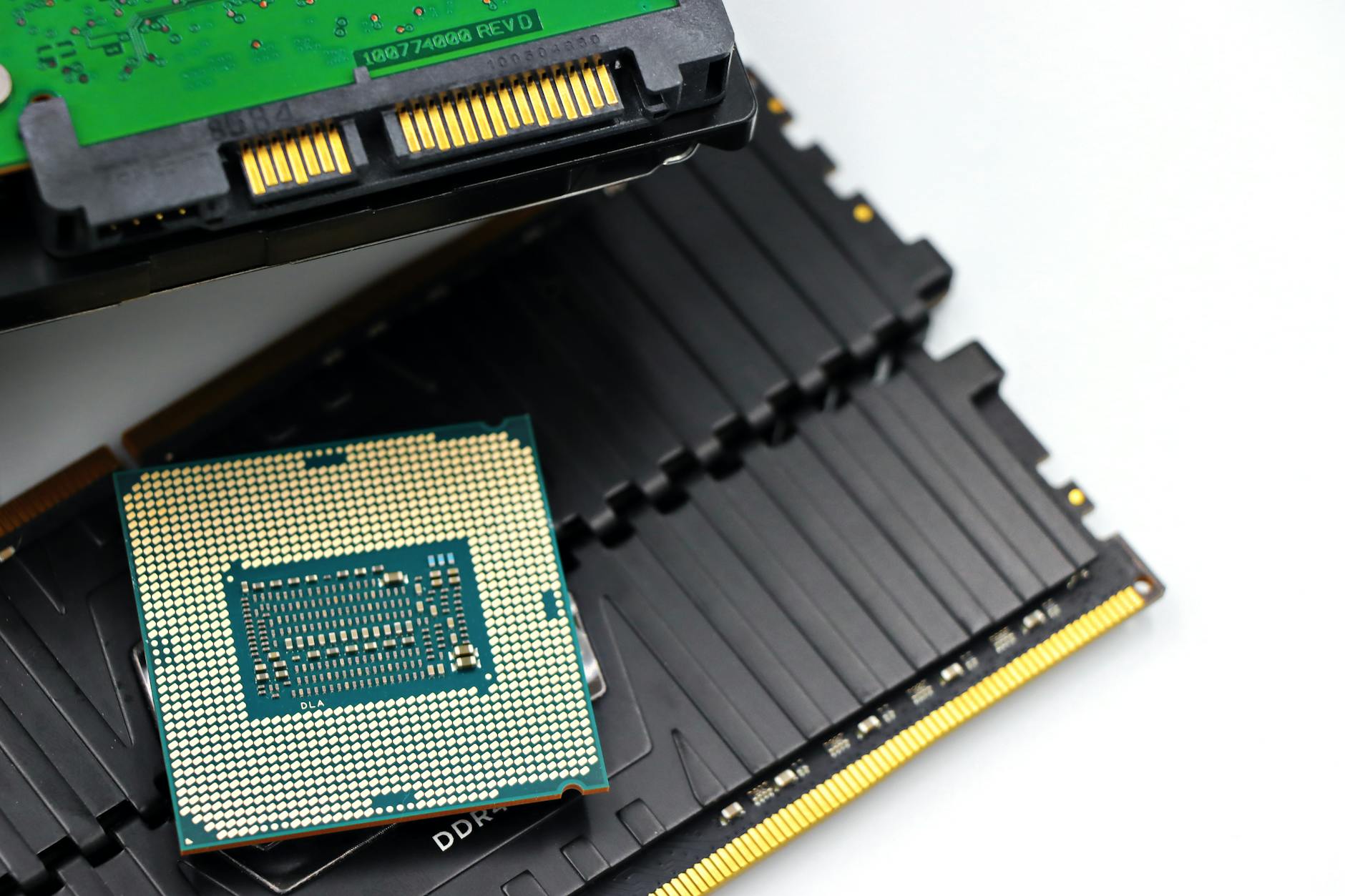
The AGI CPU, manufactured on a 3 nanometer process, features up to 136 Neoverse V3 cores operating at a 300-watt thermal design power. Each core delivers 6 GB/s of memory bandwidth with latency under 100 nanoseconds, supporting up to 6 TB of memory per chip and DDR5-8800 speeds. These specifications suggest a focus on minimizing overhead while maximizing throughput, which could be especially valuable in environments where cooling and power consumption are top priorities.
A key advantage for Arm is the AGI CPU’s potential to outperform x86-based systems by more than two times per rack. If this performance gap holds, it could translate into significant cost savings—estimates suggest up to $10 billion per gigawatt of data center capacity. Such efficiency gains might encourage operators to prioritize Arm-based solutions in their infrastructure planning.
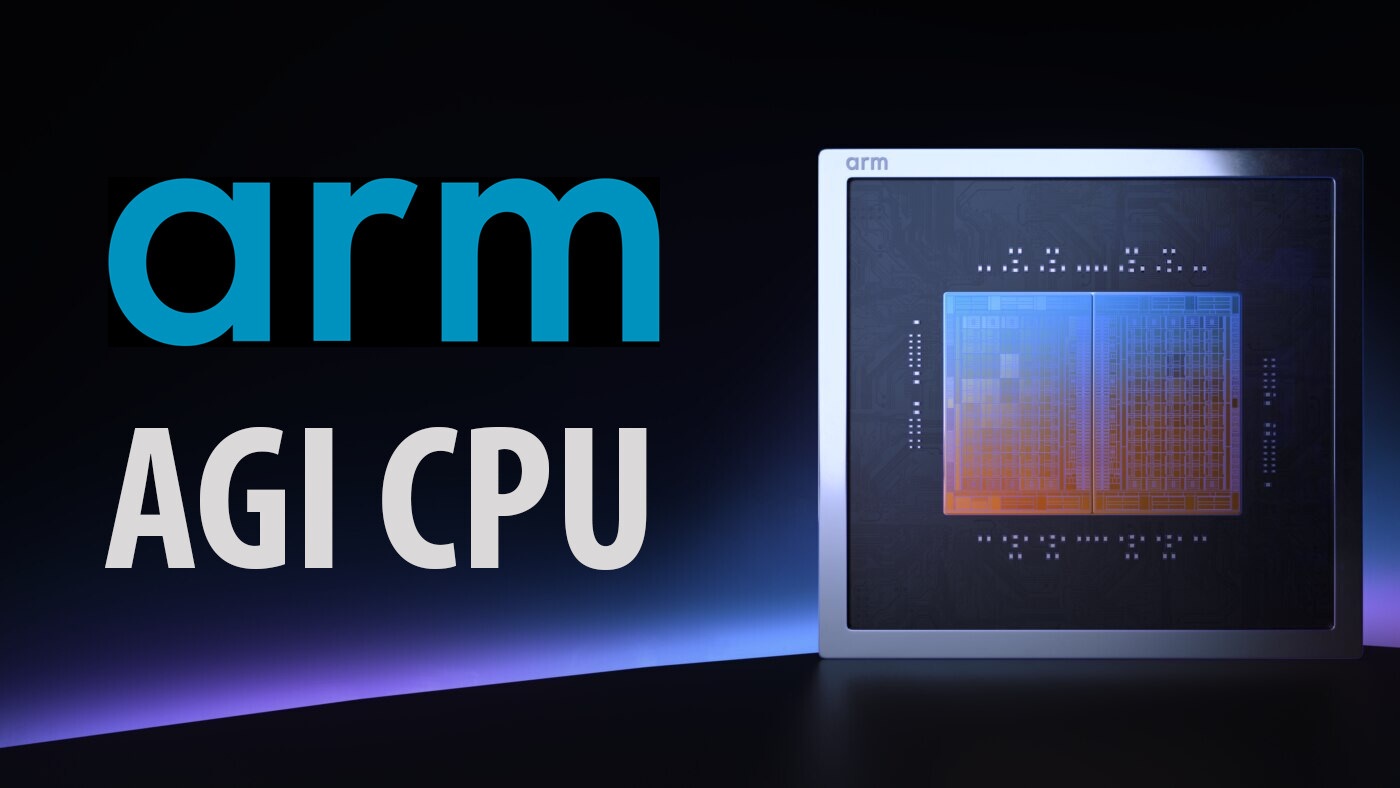
The AGI CPU is already in production, with early deployments underway and broader availability expected by mid-year. Meta is leading the initial rollout, integrating it alongside its own MTIA accelerators for large-scale AI orchestration. Other notable adopters include OpenAI, Cloudflare, Cerebras, Rebellions, SAP, and SK Telecom, indicating strong interest across industries.
For data center operators, this shift introduces a new factor in their upgrade decisions. The AGI CPU’s specialization in agentic AI workloads could position it as a default choice for next-generation infrastructure, particularly where density is a priority. If the current momentum continues, buyers may need to reassess their roadmaps sooner than originally planned.
The ecosystem supporting the AGI CPU is already well-established, with over 50 companies involved, including major players like AWS, Google, Microsoft, NVIDIA, Samsung, TSMC, and Micron. Hardware partners such as ASRock Rack, Lenovo, Quanta, and Supermicro are developing systems to ensure compatibility across the industry.
The success of this initiative will depend on how effectively Arm can balance performance with cost efficiency. If the AGI CPU delivers on its density claims, it could accelerate a broader transition in server architecture, potentially reshaping the landscape faster than anticipated.