Apple is quietly upgrading customers from the M4 Max to the M5 Max in a move that suggests a deliberate strategy to push its latest hardware without additional cost. Orders for the M4 Max MacBook Pro—configured with high-end specs like 64GB unified memory and 1TB storage—are being automatically canceled and replaced with equivalent M5 Max models, maintaining the same price while delivering improved performance.
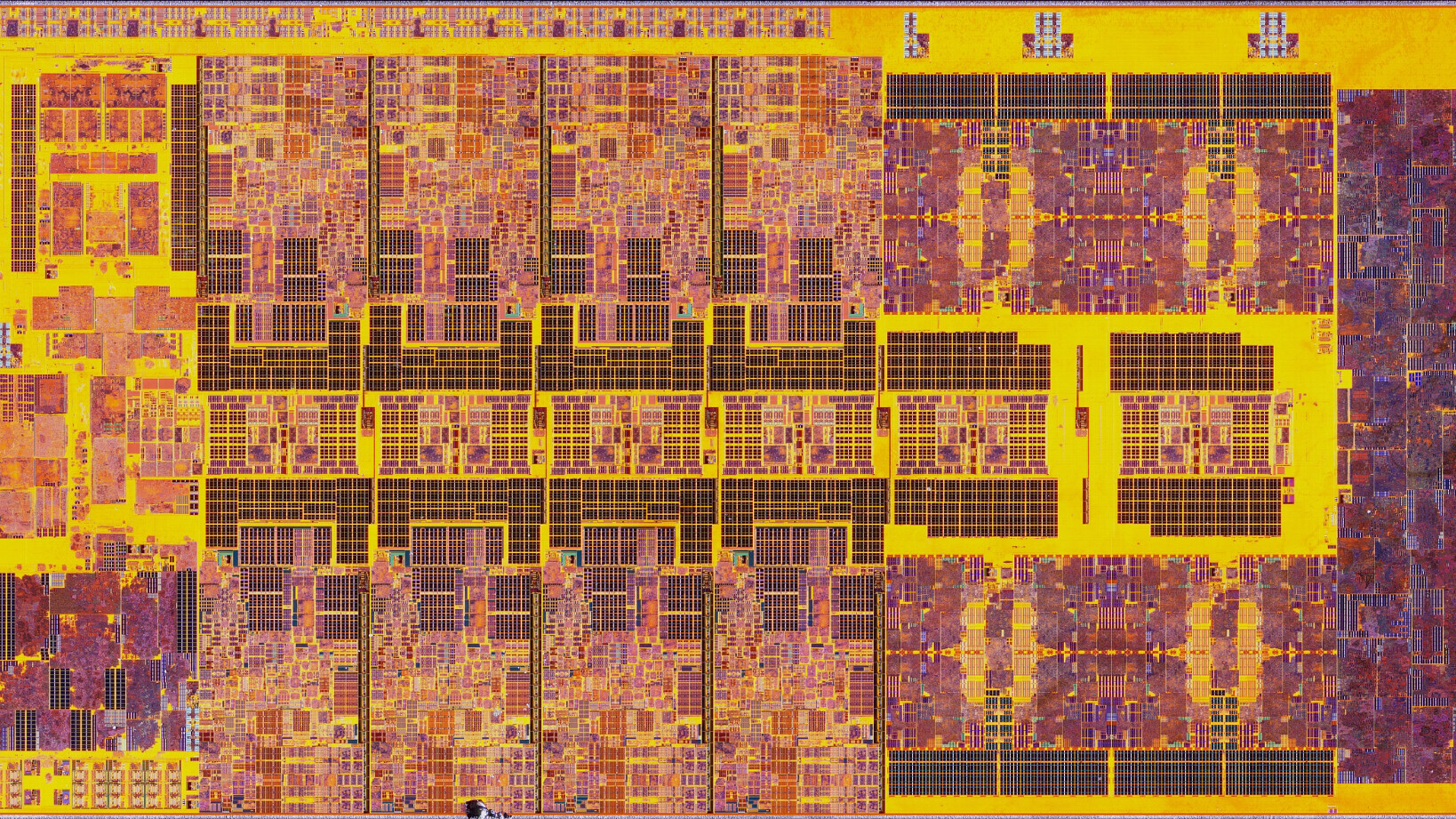
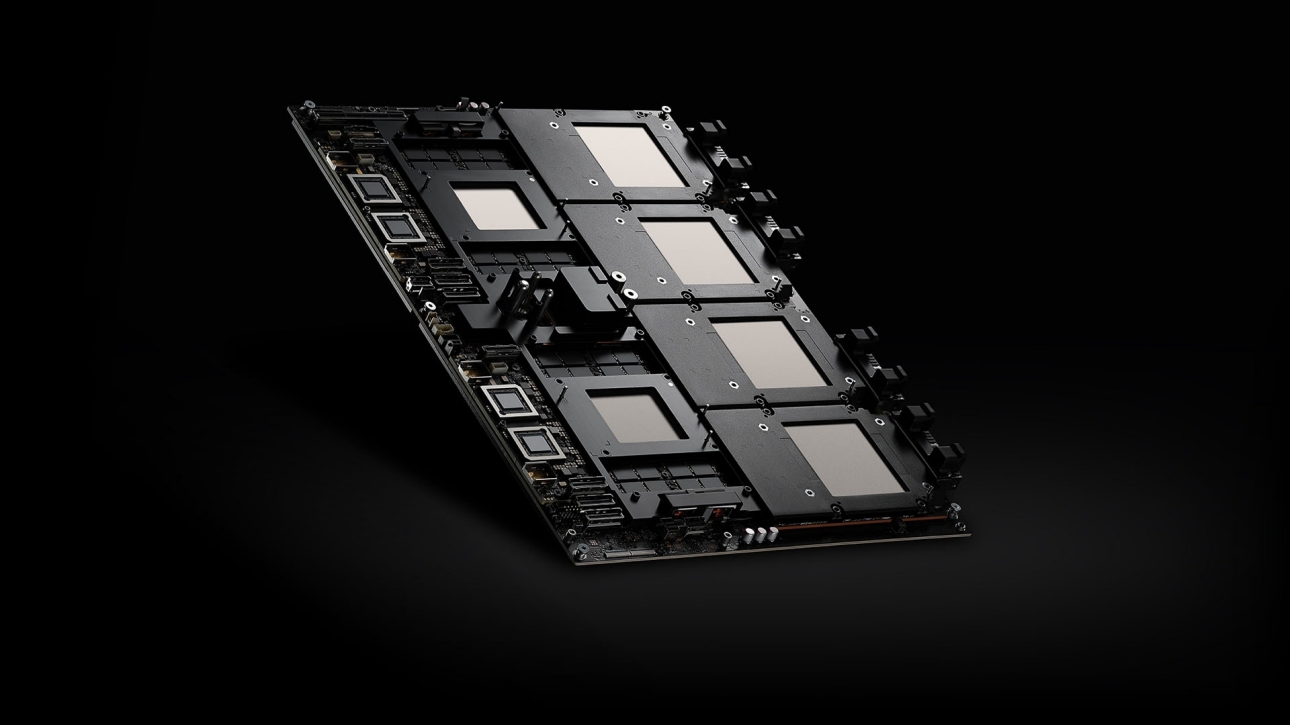
This shift appears to be part of Apple’s broader transition to its new Fusion Architecture, which integrates CPU and GPU dies into a single package. The change could offer benefits like lower electrical resistance, better heat dissipation, and reduced manufacturing costs, though whether these improvements translate to noticeable real-world performance gains remains to be seen.
At a glance
- M4 Max to M5 Max: Orders for the 14-inch MacBook Pro with M4 Max (e.g., 64GB RAM, 1TB SSD) are being replaced with equivalent M5 Max configurations.
- Spec parity: Customers retain the same core specs (e.g., 48GB unified memory for some models), though Apple has not confirmed if all configurations will align exactly.
- Fusion Architecture: The M5 Pro and M5 Max feature a new chip design that combines CPU and GPU dies, potentially improving efficiency and performance.
- Price consistency: No price changes are reported for the M5 Max replacements, maintaining the original order’s cost.
The automatic replacement suggests Apple is prioritizing its latest hardware, even if customers were unaware of the newer M5 lineup. For developers or power users who rely on high-performance GPUs (like the 40-core GPU in the M4 Max), this upgrade could be a positive shift—assuming the M5 Max delivers comparable or better performance in tasks like rendering or machine learning.
However, for those who ordered the M4 Max specifically, there’s no clear indication of whether Apple will honor exact specs (e.g., matching the 16-core CPU and 40-core GPU) or if the replacement is a standard M5 Max configuration. The lack of communication—no emails or order updates—adds to the confusion.
What this means for customers
If you placed an order for an M4 Max MacBook Pro, your device will likely arrive with an M5 Max chip, but whether it matches your original spec sheet remains uncertain. For most users, this is a neutral or positive change: the M5 Max offers better efficiency and potentially longer battery life (up to 24 hours in some configurations). However, if you were counting on specific GPU performance for professional workloads, verifying the exact specs of the replacement model would be wise.
For those who haven’t ordered yet, Apple’s M5 lineup—ranging from $1,449 base models to high-end configurations with 36GB unified memory and 2TB storage—remains a strong option. The M5 Max, in particular, pushes the boundaries of portable performance, making it an attractive choice for developers and creative professionals.
The silent upgrade underscores Apple’s approach to hardware refreshes: seamless, cost-neutral, and with minimal disruption. Whether this becomes a standard practice for future chip generations is unclear, but for now, customers are getting a free bump to the latest technology without lifting a finger.