The Ryzen 9 9950X3D2 is designed to be AMD’s crown jewel in gaming CPUs—a chip that pushes the boundaries of performance with its Zen architecture and advanced 3D V-Cache technology. But instead of being met with a wave of detailed technical reviews, the launch has been overshadowed by controversy over who gets to test it. This isn’t just about timing; it’s about whether AMD is redefining how high-end hardware is evaluated in an era where independent testing shapes consumer decisions.
Normally, when a new CPU hits the market, reviewers from multiple outlets receive samples weeks in advance. They run extensive benchmarks—dozens of applications, a wide range of games, and stress tests to measure power draw under load. This time, some of the most respected names in tech journalism were reportedly excluded entirely. The reason? Industry speculation suggests AMD may be favoring outlets that align more with its marketing narrative rather than those known for rigorous, independent analysis.
This shift has practical implications. Reviews published so far have relied on synthetic benchmarks or tested performance using an RTX 4090—a GPU from Nvidia—rather than the latest AMD GPUs. While these reviews still provide valuable data, they miss critical context. For example, how does the Ryzen 9 9950X3D2 perform in modern game engines when paired with its own GPUs? What about inter-CCD latency or per-game cache efficiency? Without a full test bench—including 50 applications and 14 games across multiple resolutions—these details remain untested by major outlets.
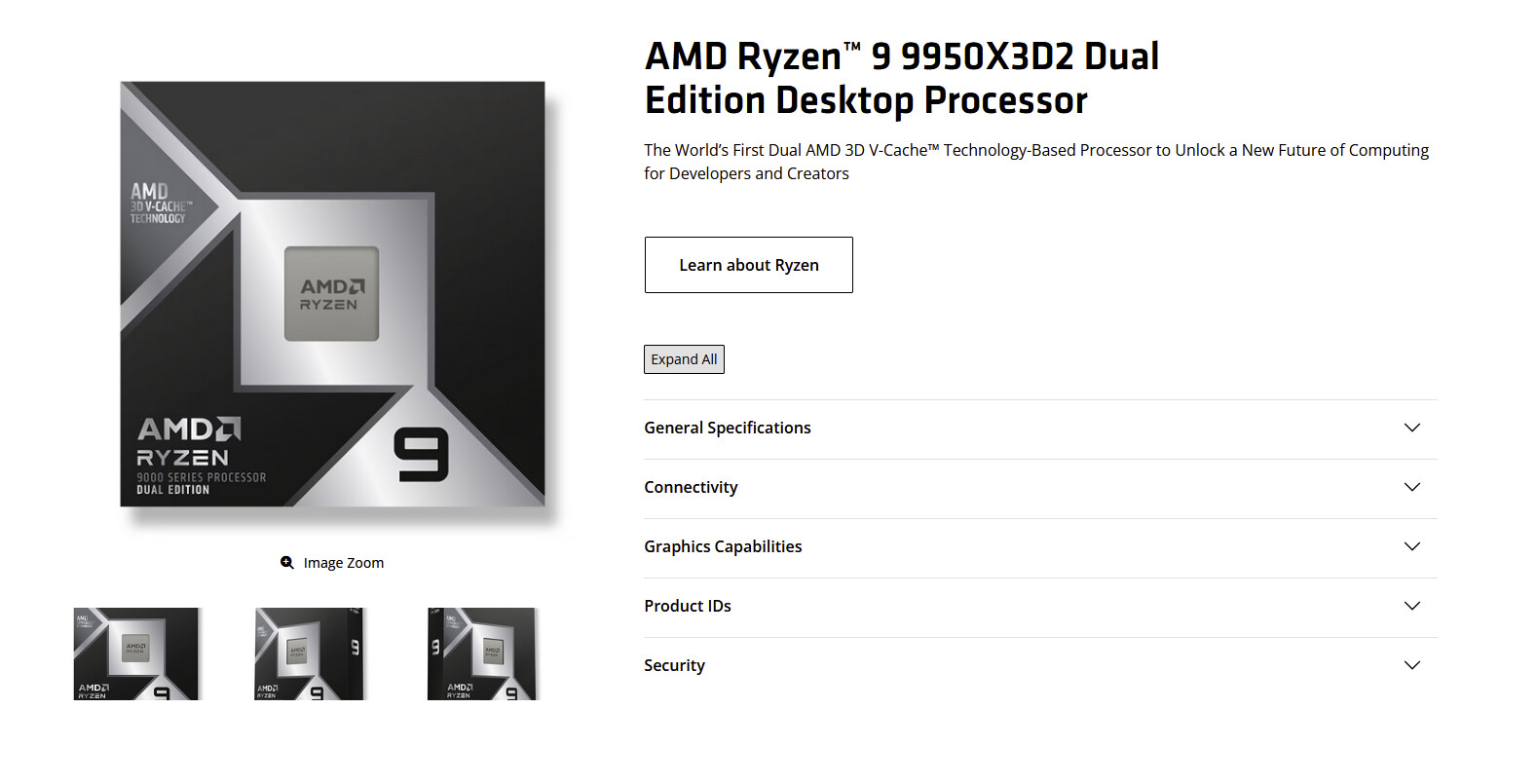
This isn’t the first time a manufacturer has faced scrutiny over review access, but the scale of this situation is notable. The Ryzen 9 9950X3D2 is positioned as AMD’s gaming halo product—a CPU designed to set benchmarks and define high-end performance. If reviewers can’t test it properly, the entire ecosystem suffers. Consumers rely on independent testing to make informed decisions, especially when a product is priced at $900 or more.
AMD’s approach to retail distribution has also drawn attention. Retailers were reportedly instructed not to sell or loan units to media ahead of the official launch date, even to long-standing industry contacts. This level of control over sampling channels is unusual and raises questions about whether AMD is trying to shape the narrative before the product even hits shelves.
For now, the reviews that have appeared cover the basic performance story reasonably well. But without access to a full test bench, they can’t provide the complete picture. The lack of deep technical analysis also means that key details remain untested by major outlets.
What’s confirmed: the Ryzen 9 9950X3D2 is a powerful CPU with cutting-edge specifications, including a 2 nm process for its CCDs and a 3 nm IOD. It’s built on AMD’s Zen architecture and carries a 200 W TDP. What’s unknown: whether the company will allow broader access to review samples in the future, or if this is part of a larger trend toward more controlled product launches.
For PC builders and enthusiasts, the takeaway is clear: when evaluating high-end CPUs, always check the test methodology, game selection, and GPU used in reviews. Not all benchmarks are created equal, and the lack of access to samples doesn’t mean the product itself is flawed—it just means the narrative around it may be incomplete.