Apple has quietly redefined how high-performance chips are built. The upcoming M5 Pro and M5 Max, destined for MacBooks and iMacs, will be the first Apple SoCs to split CPU and GPU cores into separate chiplets using TSMC’s Small Outline Integrated Circuit (SoIC) packaging. This isn’t just an incremental upgrade—it’s a fundamental shift in how the company designs chips, one that could reshape the entire semiconductor industry.
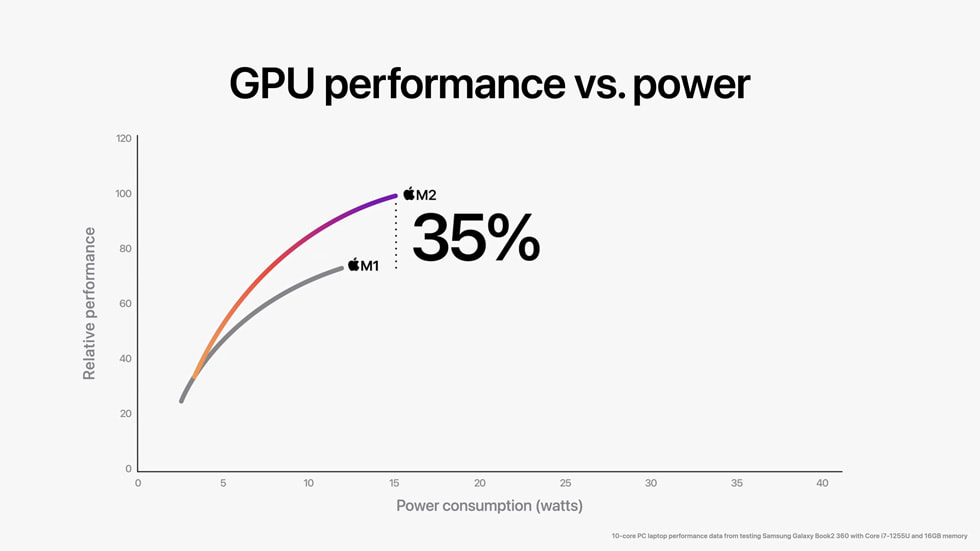
The implications are immediate. By decoupling the CPU and GPU into distinct dies, Apple can optimize each for power efficiency, performance, and manufacturing yield without compromising thermal or battery life. The M5 Pro and M5 Max, built on TSMC’s 2nm process, will push these advantages further, offering up to 100W of sustained power when needed—yet Apple’s track record suggests it will do so without sacrificing the thin, lightweight designs its customers demand.
But if Apple is embracing chiplets, why hasn’t Qualcomm?
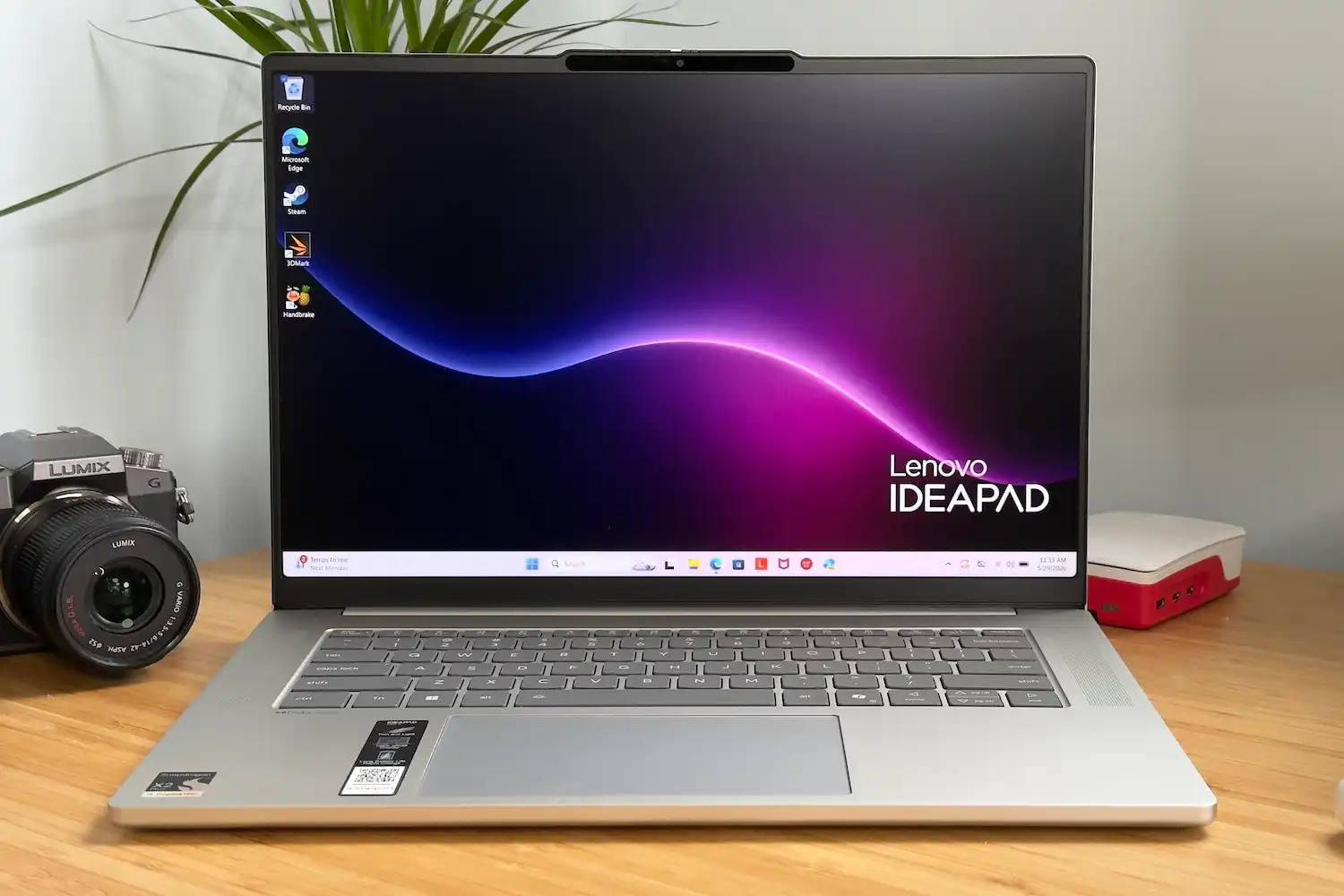
The answer lies in the sheer complexity of the transition. Qualcomm’s Snapdragon X2 Elite Extreme, its most powerful laptop chip to date, already demands significant power—exceeding 100W under heavy loads. Adding chiplets introduces new challenges: inter-chip communication requires extra power, cooling systems must evolve to handle heat distribution across multiple dies, and manufacturing partners would need to rethink thermal management in ultra-thin devices. For a company still refining its second generation of ARM-based laptop chips, the risks may outweigh the rewards—at least for now.
Why chiplets matter—and why Qualcomm may eventually have no choice
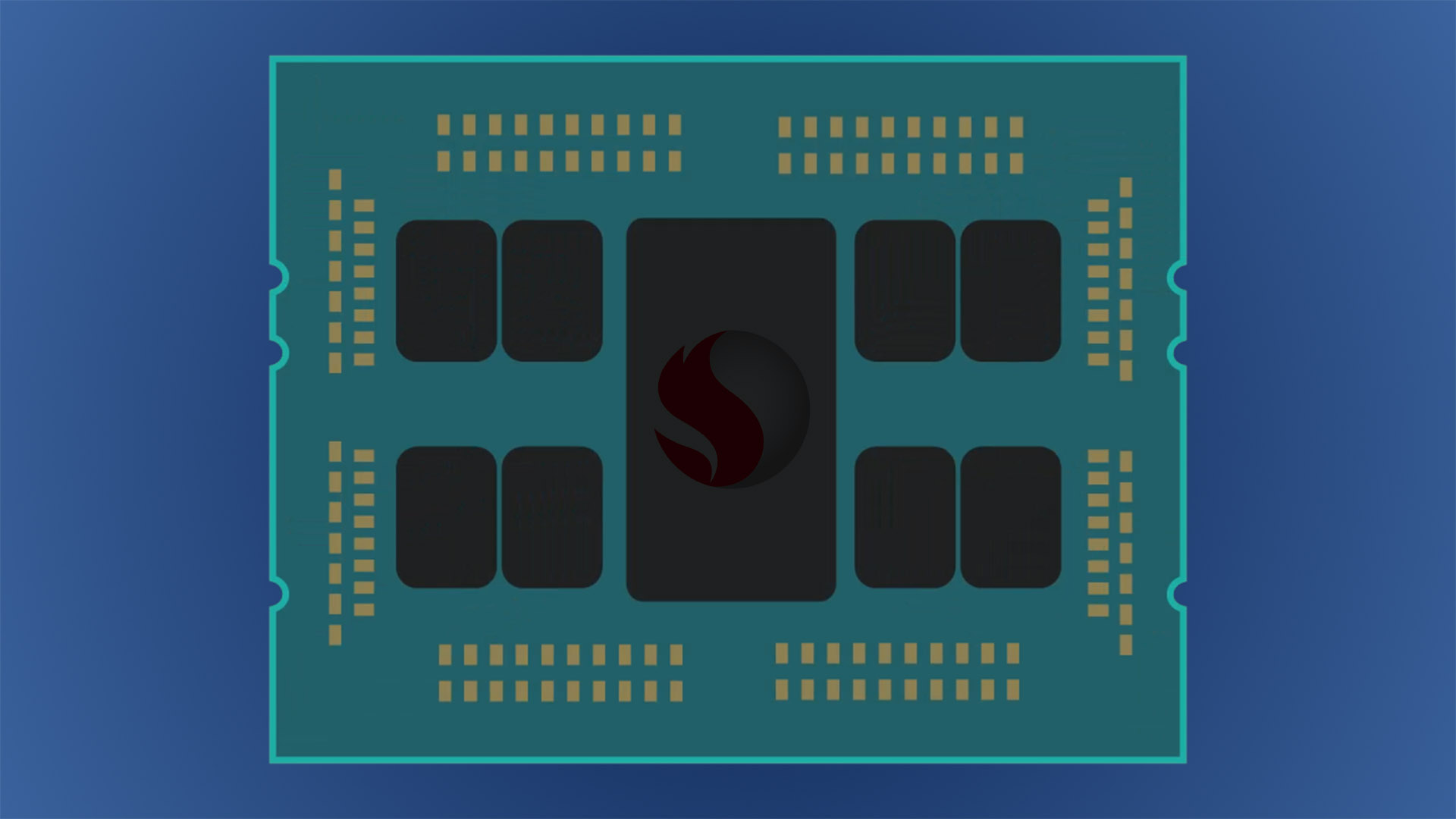
Chiplets aren’t new. AMD pioneered the approach years ago with its Ryzen processors, and Intel’s upcoming Panther Lake series will follow suit. The technology addresses a critical problem: as chips grow more complex, traditional monolithic designs become harder to manufacture, yield worse, and consume more power. Apple’s move to SoIC packaging for the M5 Pro and M5 Max is a direct response to these constraints, allowing the company to pack more transistors into a smaller footprint while maintaining efficiency.
Qualcomm, however, faces a different calculus. The Snapdragon X2 Elite Extreme delivers strong CPU performance but lags behind Apple’s integrated graphics in benchmarks—a limitation that suggests the current monolithic design may be holding back its GPU potential. If Qualcomm wants to compete in next-gen laptop chips, particularly if it plans a Snapdragon X3 Elite Extreme, it may need to adopt chiplets to unlock higher performance without sacrificing battery life or thermal control.
Yet the path isn’t straightforward. Redesigning an SoC around chiplets requires years of R&D, and Qualcomm’s partners—OEMs, foundries, and cooling solution providers—would need to adapt. The trial-and-error process could delay adoption, leaving Qualcomm vulnerable if Apple and others continue to iterate faster.
The efficiency paradox: Apple’s secret weapon
Apple’s ability to balance raw performance with power efficiency is a hallmark of its chip design philosophy. The A19 Pro, for example, delivers up to 29% better performance than its predecessor while drawing no additional power—a feat that would be nearly impossible in a monolithic design. The M5 Pro and M5 Max extend this approach, proving that chiplets can coexist with Apple’s signature thermal and battery optimizations.
Qualcomm, by contrast, has historically prioritized raw performance over efficiency in its laptop chips. The Snapdragon X2 Elite Extreme’s power demands reflect this strategy, but as devices grow thinner and cooling solutions become more constrained, the tradeoffs may no longer be sustainable. If Qualcomm wants to match Apple’s efficiency in future chips—or even compete with Intel’s Core Ultra series—it may need to embrace chiplets to avoid a performance ceiling.
What’s next for Qualcomm?
The question isn’t whether Qualcomm will eventually adopt chiplets, but when—and whether it will do so before the competition leaves it behind. The Snapdragon X2 Elite Extreme’s GPU limitations hint at the risks of sticking with a monolithic approach. If Qualcomm’s next-gen chips are to rival Apple’s M5 series or Intel’s Panther Lake, the company may have no choice but to invest heavily in chiplet-based designs.
For now, Apple’s lead is clear. The M5 Pro and M5 Max set a new standard for what’s possible in portable performance, and their chiplet architecture is a testament to how far the company has pushed semiconductor innovation. Qualcomm’s response will determine whether it can keep pace—or if it will cede ground to a rival that’s already redefining the rules of the game.