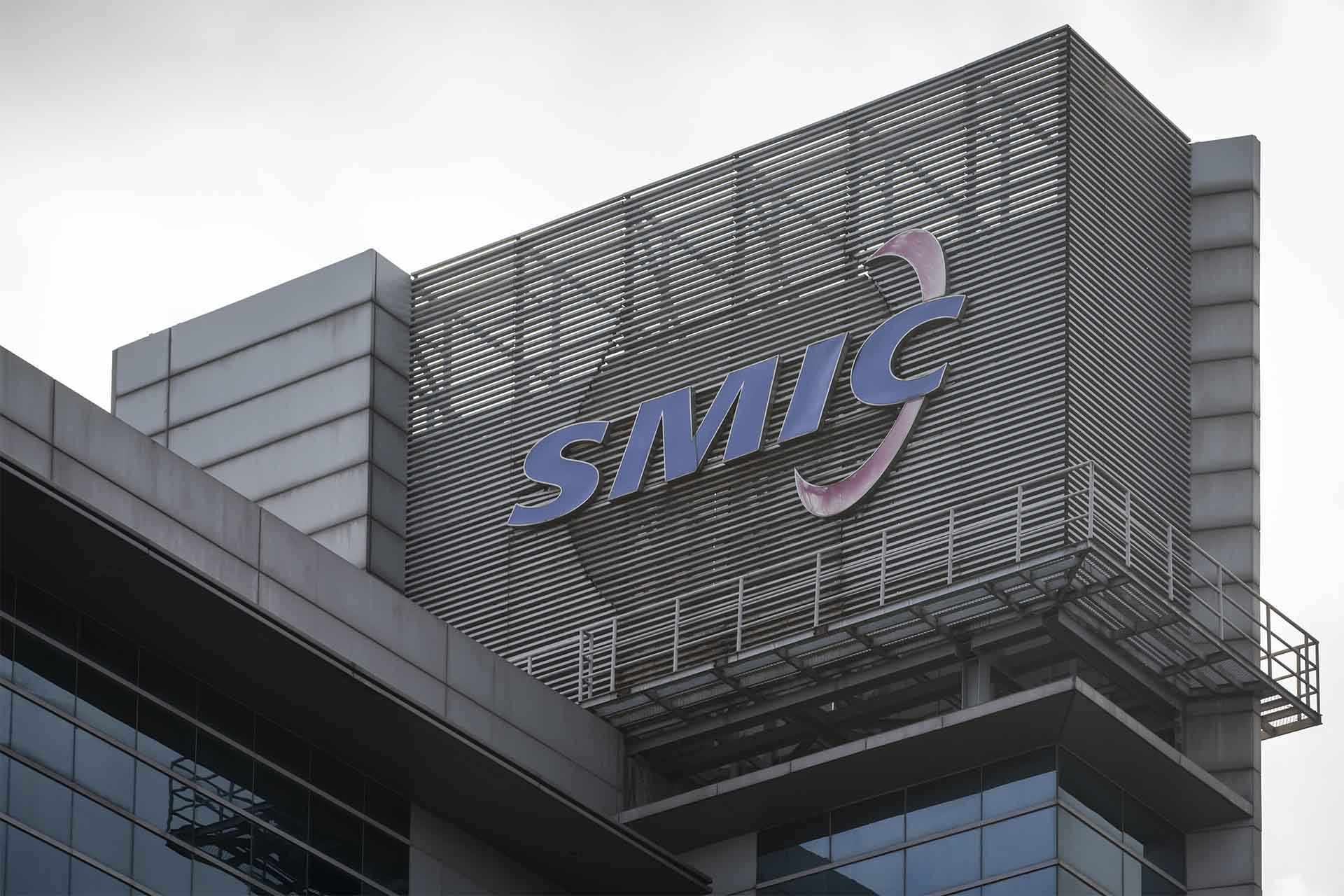
Even the most dominant chipmaker in China isn’t immune to the DRAM shortage gripping the tech industry. SMIC, the country’s largest semiconductor foundry, has signaled that the memory crunch is forcing customers—particularly mobile and PC manufacturers—to reconsider their chip orders. Yet the company’s leadership is urging clients to hold steady, arguing that scaling back now could lock them out of future production slots when supply eventually recovers.
The shortage isn’t just a temporary hiccup. DRAM has become a linchpin in AI-driven architectures, and its scarcity has stretched across multiple sectors for several quarters. Zhao Haijun, co-CEO of SMIC, framed the situation as a ‘memory supercycle,’ one that has disrupted supply chains at every level. While some middlemen are hoarding inventory in hopes of reselling at inflated prices, the underlying issue remains: new DRAM capacity won’t hit the market in meaningful volumes until 2027.
For now, the risk is clear. If customers pull back on orders, they may find themselves without access to critical components when production ramps up later this year. SMIC’s warning is direct: by the time memory supply stabilizes, foundry lines could already be fully booked. The stakes are highest for manufacturers who rely on chips to assemble end products—without DRAM, even the most advanced fabrication plants become irrelevant.
This isn’t just a Chinese problem. Global foundries, including Taiwan Semiconductor Manufacturing Company (TSMC), have acknowledged the strain, though TSMC’s CEO previously downplayed short-term risks, citing stable demand from its largest mobile customer. Yet the long-term implications are harder to ignore. DRAM shortages aren’t just a supply chain glitch—they’re a threat to industries that depend on memory-intensive technologies, from AI servers to consumer electronics.
SMIC’s own expansion into advanced packaging and 7nm processes highlights the urgency. While the company pushes forward with next-generation fabrication, the current bottleneck underscores a harsh reality: without DRAM, even the most cutting-edge chips can’t be assembled into finished products. For now, the message to customers is simple—stick with orders. The alternative could mean waiting indefinitely for capacity that no longer exists.