AMD’s Ryzen 5 7500F isn’t a power-hungry processor—its 65W TDP is among the lowest in the Ryzen 7000 lineup, designed for efficiency over brute force. So when a user’s unit abruptly failed after seven months of operation, it stood out as unusual. The catch? The system was running on an ASRock B850 RS PRO WiFi motherboard, a model already linked to multiple Ryzen CPU failure reports over the past year.
The failure was reported through a community post, where the user described the system as unresponsive, with only the CPU debug LED illuminated alongside the DRAM LED—a typical sign of a dead CPU rather than memory issues. No physical damage was visible on the socket or the processor itself, leaving the exact cause speculative. The user confirmed they had tried different RAM slots (including B1, which some suggest may be incompatible for single-module setups), but the system refused to boot even after adjustments.
A Pattern, Not an Outlier
This isn’t the first time an ASRock motherboard has been tied to Ryzen CPU failures. While AMD’s Ryzen 7000 and 9000 series have generally maintained lower return rates than predecessors like the Ryzen 7 5800X or 7800X3D, certain motherboard models—particularly from ASRock—have emerged as recurring culprits. The B850 RS PRO WiFi, in particular, has been flagged in multiple forums for compatibility quirks, though ASRock has released multiple BIOS updates in an attempt to address the issue. The latest update arrived just days before this report, but the user in question hadn’t applied it, raising questions about whether a firmware fix could have prevented the failure.
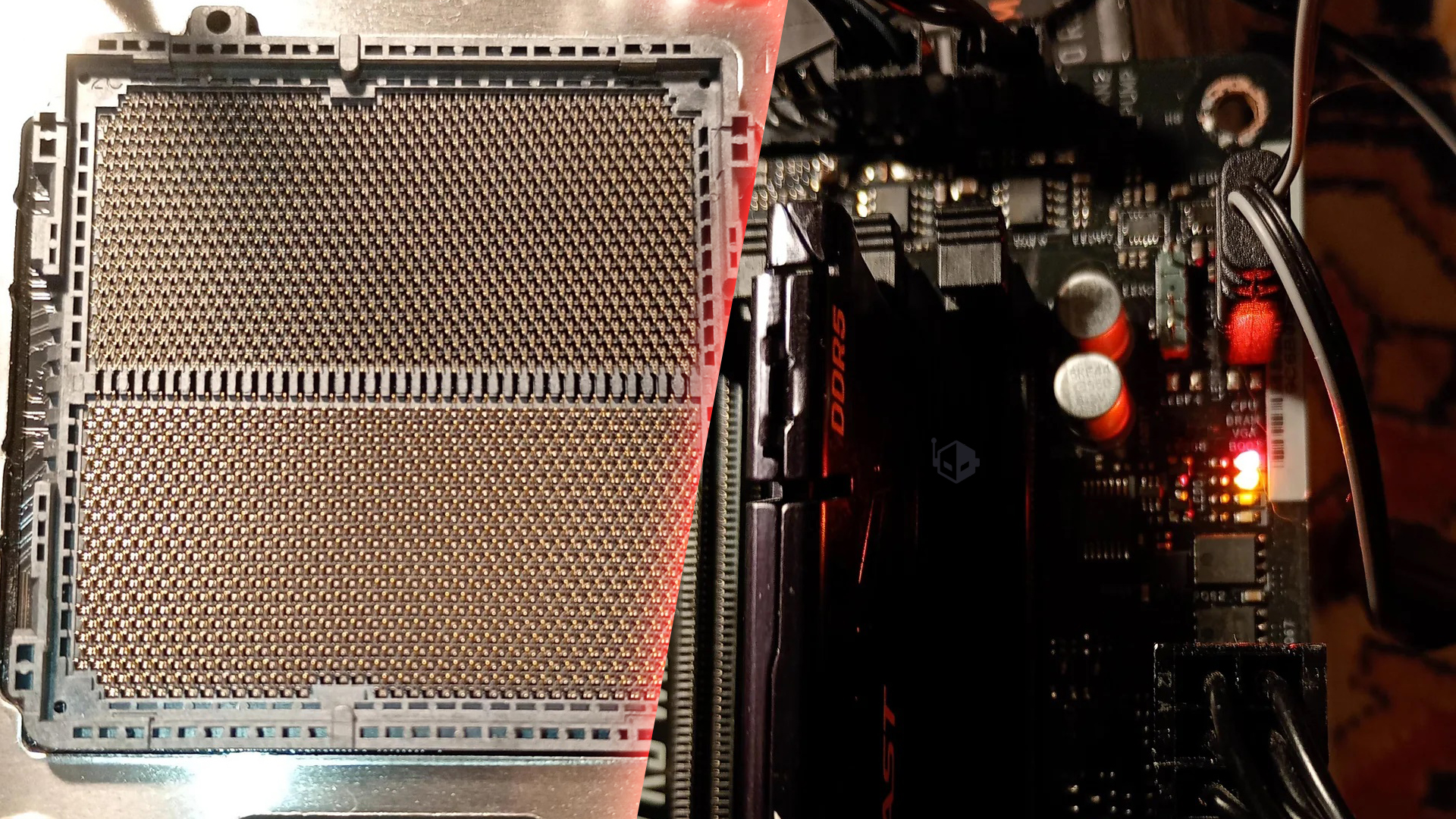
What makes this case odd is the longevity of the system. The Ryzen 5 7500F operated without issue for nearly seven months before the sudden death, a timeline far longer than typical failure reports. Some speculate overvoltage or power delivery instability as potential triggers, though without deeper diagnostics, the root cause remains unclear. AMD and ASRock have not commented on the specific incident.
Broader Trends: Who’s Affected?
The Ryzen 7000 series, while more reliable than earlier generations, hasn’t been immune to motherboard-related issues. Early adopters of AM5 platforms reported higher-than-expected RMA rates, particularly on certain budget and mid-range boards. The Ryzen 9000 series, though newer, has seen fewer reports of outright failures, suggesting either improved hardware resilience or a shift in user behavior—such as avoiding problematic motherboard models.
For consumers, the takeaway is cautious: while Ryzen 7000 CPUs are generally robust, pairing them with lesser-known or frequently criticized motherboards may introduce risks. Users experiencing similar issues are advised to check for BIOS updates, ensure proper RAM slot selection (especially for single-DIMM setups), and consider testing the CPU on a different motherboard if symptoms persist. ASRock’s ongoing updates hint at an acknowledgment of the problem, but whether they fully resolve it remains to be seen.
AMD has not disclosed plans for a formal investigation into this specific case, and no recall or replacement program has been announced. Pricing for the Ryzen 5 7500F remains unchanged at $169, though the incident serves as a reminder that even efficient, low-power CPUs aren’t entirely immune to hardware quirks—especially when paired with certain motherboards.