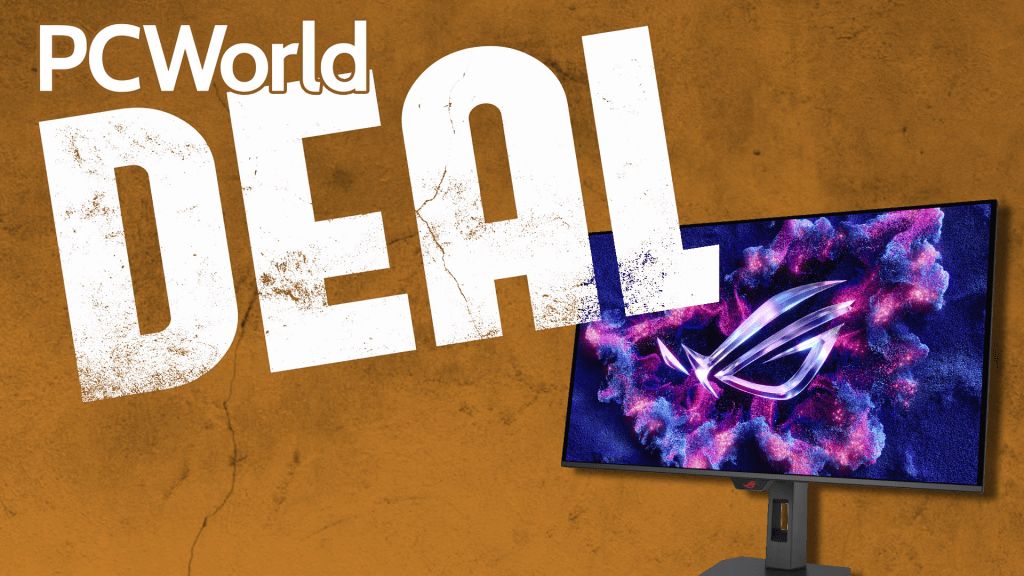
AOC's decision to price its 1440p, 240Hz OLED gaming monitor at $340 marks a significant shift in an otherwise insulated high-end market. The move disrupts traditional pricing models, where similar specifications from established brands have historically commanded premiums well above $500. This aggressive discount arrives as OLED displays solidify their dominance in competitive gaming, yet remain inaccessible for many due to cost constraints.
The monitor's new price point undercuts several key competitors, including models from LG and ASUS that typically range between $400 and $600. By positioning itself at the lower end of this spectrum, AOC is not only challenging rivals but also testing consumer willingness to adopt OLED technology without the premium attached to traditional high-end displays. The strategy could accelerate market penetration in regions where IPS or VA panels have remained dominant due to affordability concerns.
Performance and Tradeoffs
The monitor delivers 1440p resolution paired with a 240Hz refresh rate, standard features for OLED displays that offer unparalleled contrast and response times. However, the price reduction introduces potential tradeoffs in build quality or feature parity that competitors may leverage to justify their higher pricing. Additionally, the lack of adaptive sync technologies like G-Sync or FreeSync in certain configurations could limit its appeal among gamers with specific hardware requirements.
Broader Industry Impact
This price cut occurs amidst a wave of new OLED monitor releases from competitors, some featuring higher resolutions and refresh rates. AOC's move may prompt rivals to respond with similar discounts or reassess their own pricing strategies. For consumers, the $340 entry point into OLED gaming is compelling, but whether this will drive sustained demand or prove short-lived remains uncertain.
The industry will closely watch whether competitors match AOC's pricing aggression or if this discount serves as a temporary sales tactic. If maintained, it could redefine expectations for OLED monitor pricing and expand the market beyond its current high-end niche. This move could also encourage more manufacturers to enter the OLED gaming segment, potentially leading to increased competition and innovation.