The server market is about to see another round of horsepower from AMD, but this time with a twist: the leaked specifications for Zen 6-based EPYC processors hint at a deliberate push toward extreme core counts, not just raw clock speeds. The latest batch of samples—192-core, 128-core, and 64-core variants—are said to be targeting the SP7 platform, which includes new socket designs like Congo, Kenya, and Nigeria. What stands out is not just the sheer number of cores, but how these chips might reshape workload distribution in data centers, particularly for tasks that benefit from massive parallelism.
Zen 6 itself represents a generational leap in AMD's server CPU roadmap, with architectural improvements aimed at efficiency and performance. However, the emphasis on core counts—especially the 192-core option—suggests a strategic pivot. Historically, such high-core-count processors have been niche, catering to specialized workloads like large-scale simulations or AI training. But if AMD is pushing these configurations into broader adoption through the SP7 platform, it could signal a shift toward more distributed, parallel-processing workloads in data centers. The tradeoff for buyers will be clear: more cores mean more threads and better scalability, but also higher power consumption and thermal challenges that need careful planning.
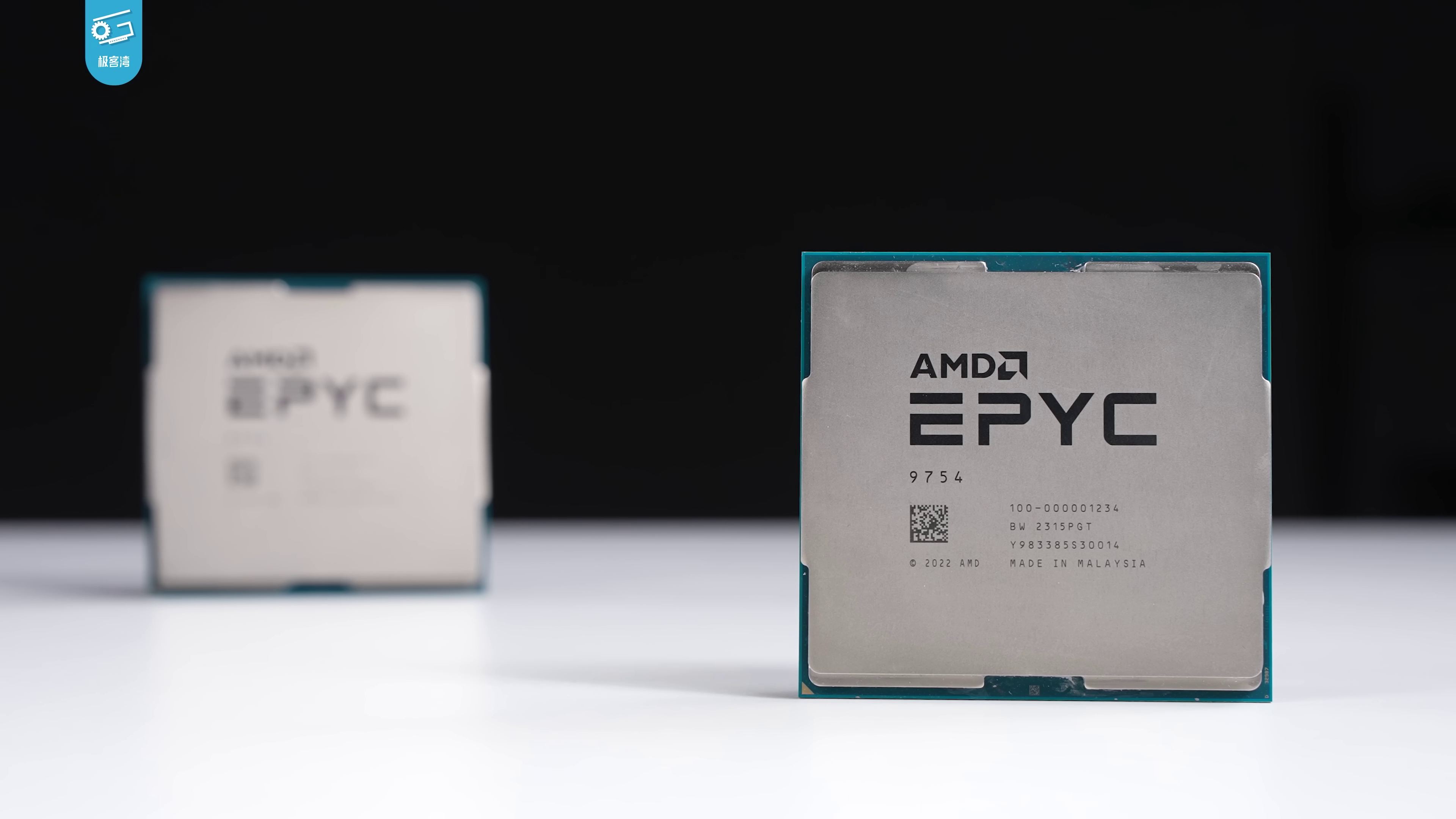
The SP7 platform itself is notable for its modularity, with socket designs like Congo (for 128-core SKUs), Kenya (64-core), and Nigeria (192-core) hinting at a more flexible approach to system design. This could allow data center operators to tailor their infrastructure more precisely to workload needs without over-provisioning cores where they aren't necessary. However, the practical implications of these high-core-count chips remain to be seen—especially in terms of memory bandwidth and cache hierarchy, which will determine how effectively these processors can leverage all those threads.
For now, the leaked specifications paint a picture of AMD doubling down on core density as a key differentiator. Whether this translates into tangible performance gains for real-world workloads depends on how well Zen 6 optimizes instruction throughput and memory efficiency alongside raw core counts. If successful, these processors could redefine what's possible in high-performance computing, but buyers will need to weigh the benefits against the practical limitations of managing such complex systems.