AMD’s highly anticipated Ryzen desktop CPUs based on the Zen 6 architecture—originally slated for a 2026 launch—have been pushed back to 2027, according to updated internal roadmaps. The delay for the 'Olympic Ridge' series reflects a confluence of challenges: a memory market in turmoil, where DDR5 prices have surged to five to eight times their typical levels, and a foundry landscape where TSMC’s capacity is being fiercely contested by AI-driven demand. While enterprise-grade EPYC processors remain a priority, consumer-focused CPUs now face an uncertain timeline.
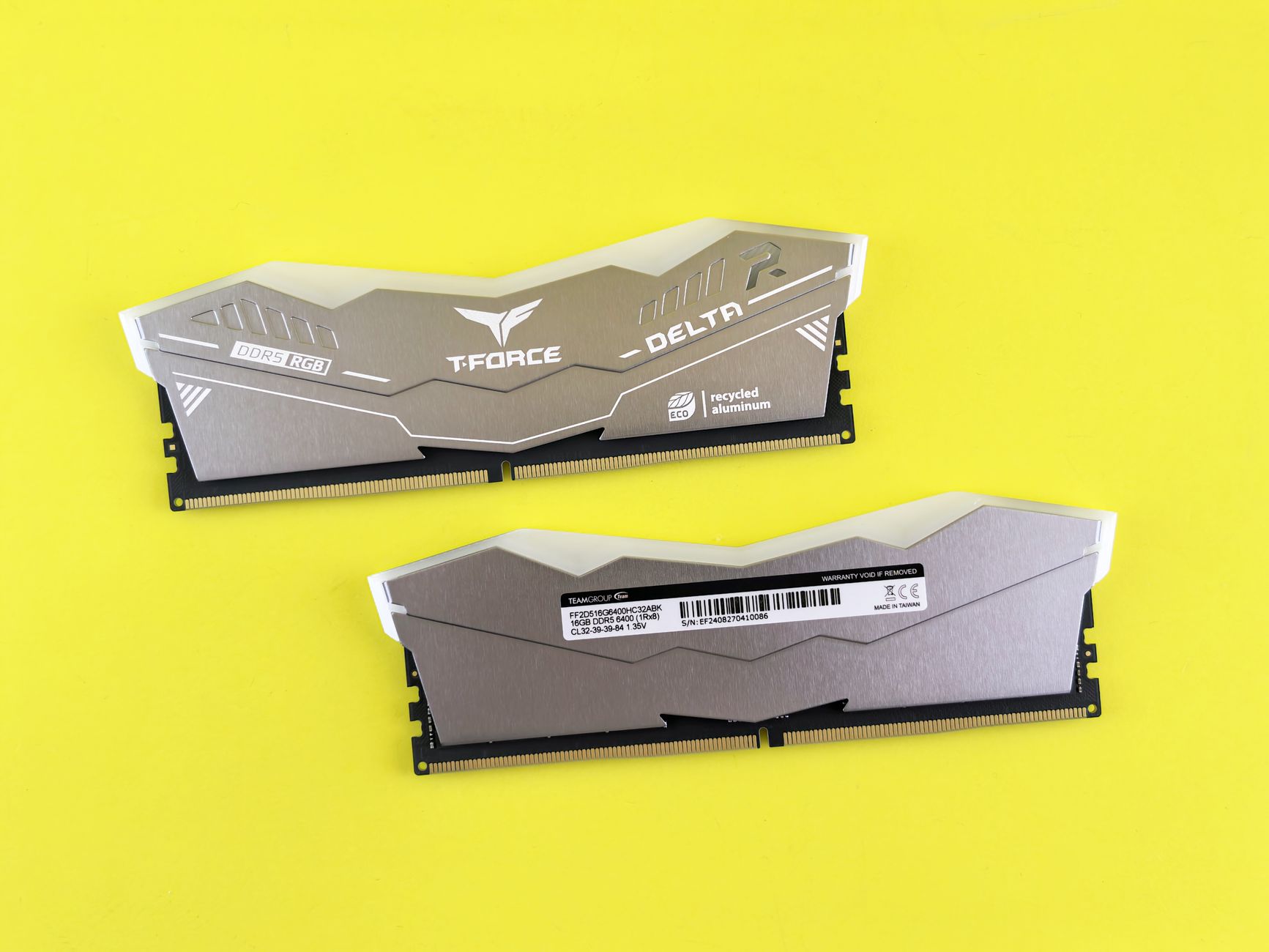
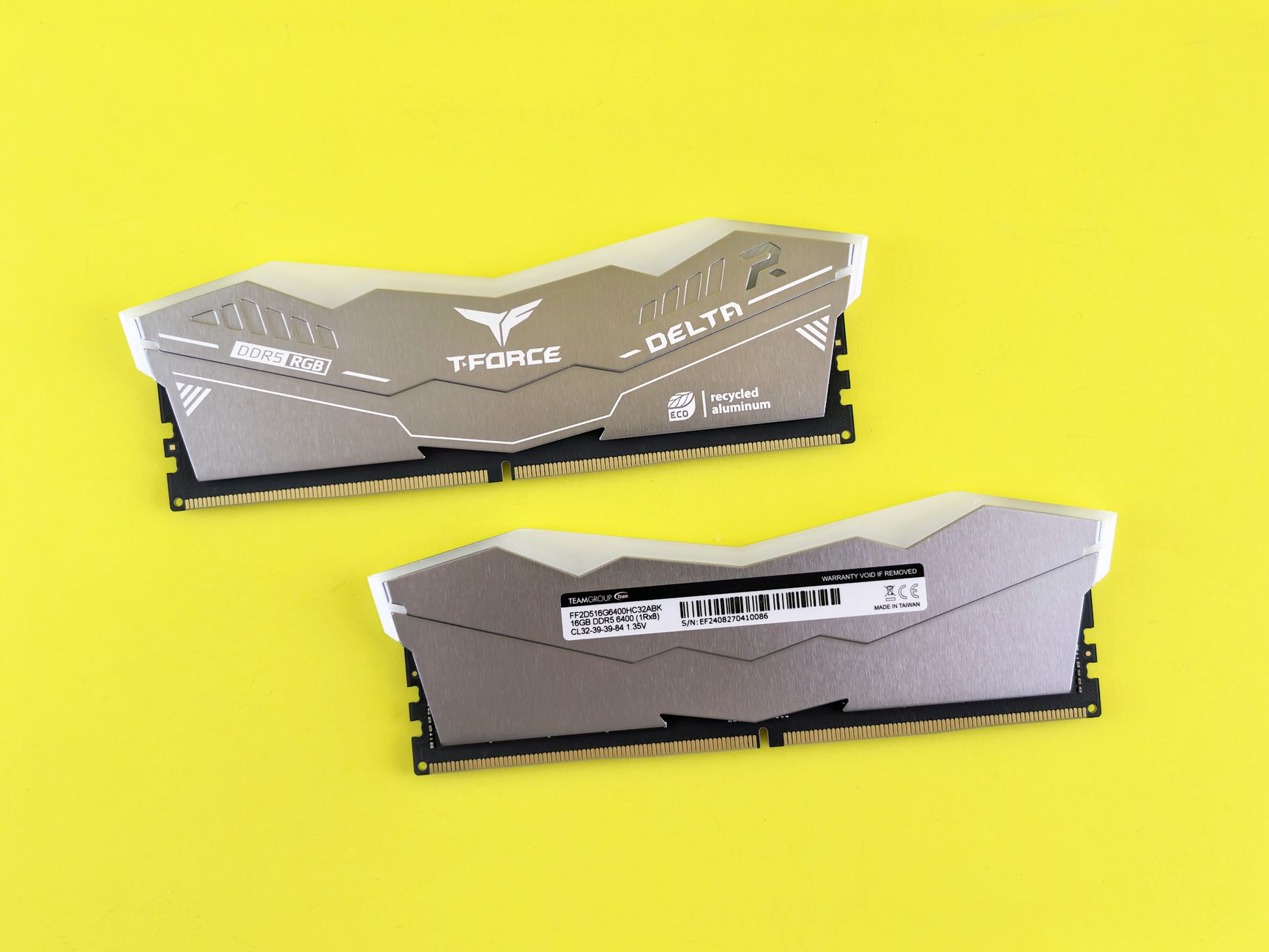
The shift highlights how AMD’s strategy is adapting to a market where high-speed memory—critical for unlocking Zen 6’s full potential—has become prohibitively expensive. A 32GB DDR5-9000 kit, for instance, now retails for upward of $800, a cost that likely makes early adoption of Olympic Ridge unappealing even for enthusiasts. Meanwhile, the client I/O die (cIOD) for Zen 6, expected to be fabricated on a 4nm process, will feature updated DDR5 controllers designed for higher speeds and improved parallelism, potentially supporting dual-channel configurations with greater efficiency. However, without stable memory pricing, these advancements may remain theoretical for now.
For AMD, the delay also signals a reprioritization. Enterprise customers, with their long-term procurement contracts and less sensitivity to memory costs, are likely to see Zen 6-based EPYC processors arrive first. This aligns with a broader trend where data center and server workloads take precedence over consumer launches in volatile markets.
The Impact on Desktop Enthusiasts
For gamers and content creators eyeing the next leap in CPU performance, the delay means the Ryzen 9000 series—currently the flagship with models like the Ryzen 9 9950X3D (boasting a 5.6GHz boost clock and 192MB of L3 cache)—will remain the top-tier option for longer. The Ryzen 7 9850X3D and other high-end variants continue to deliver strong single-threaded performance, particularly in gaming, though they may struggle in heavily multithreaded workloads compared to Intel’s upcoming offerings.
The delay also raises questions about AMD’s AM4 platform. While Ryzen 9000 CPUs are AM5-only, a potential AM4 refresh—originally floated as a stopgap for DDR5 shortages—now seems even less likely. Instead, AMD may double down on AM5, which supports faster memory speeds and PCIe 5.0, making it the more future-proof choice for those willing to invest in a new motherboard.
What Olympic Ridge Could Bring
When it finally arrives, Olympic Ridge is expected to deliver meaningful improvements over Zen 5, including

- Higher Core Counts: Likely expanding beyond the current 16-core maximum in desktop parts, with potential for 18- or 20-core configurations.
- Updated ISA and IPC Gains: Refined instruction set architecture and per-core performance improvements, though exact benchmarks remain speculative.
- DDR5-9000+ Support: The cIOD’s enhanced memory controller could unlock speeds previously reserved for enterprise-grade kits, though real-world adoption will depend on price stability.
- 3nm CCDs, 4nm IOD: TSMC’s advanced nodes will improve power efficiency and performance density, though yields and capacity remain critical factors.
Yet, the delay underscores a broader industry challenge: in an era where AI and data center chips dominate foundry capacity, consumer hardware often becomes collateral damage. For AMD, the question is no longer just when Olympic Ridge will launch, but whether the market will be ready for it—assuming memory prices ever normalize.
Who Wins in the Meantime?
With Olympic Ridge on hold, Intel’s upcoming Arrow Lake processors—rumored to feature massive L3 cache pools for gaming—could gain traction among enthusiasts. Meanwhile, AMD’s existing Ryzen 9000X3D lineup remains a compelling choice for those prioritizing 3D V-Cache technology, which delivers a significant boost in gaming performance. For creators relying on multithreading, however, the gap between Intel’s and AMD’s offerings may narrow as Intel ramps up its high-core-count SKUs.
For budget-conscious builders, the delay could also extend the lifespan of DDR4-based systems. While AMD has not confirmed an AM4 refresh, the possibility remains that a lower-power, high-core-count CPU—optimized for DDR4—could emerge as a stopgap. Such a move would appeal to users already invested in AM4 motherboards, though it would likely come at a premium to offset production costs.
Looking Ahead
The 2027 timeline for Olympic Ridge suggests that AMD is adopting a more cautious approach, prioritizing stability over aggressive launches in an unstable market. Whether this delay benefits competitors or simply prolongs the status quo remains to be seen. One thing is certain: the memory crunch isn’t just delaying CPUs—it’s reshaping the entire PC ecosystem.
Availability for Olympic Ridge remains unconfirmed, though leaks suggest enterprise EPYC variants may arrive first, followed by desktop CPUs in late 2027. Pricing and exact specifications are not yet finalized.