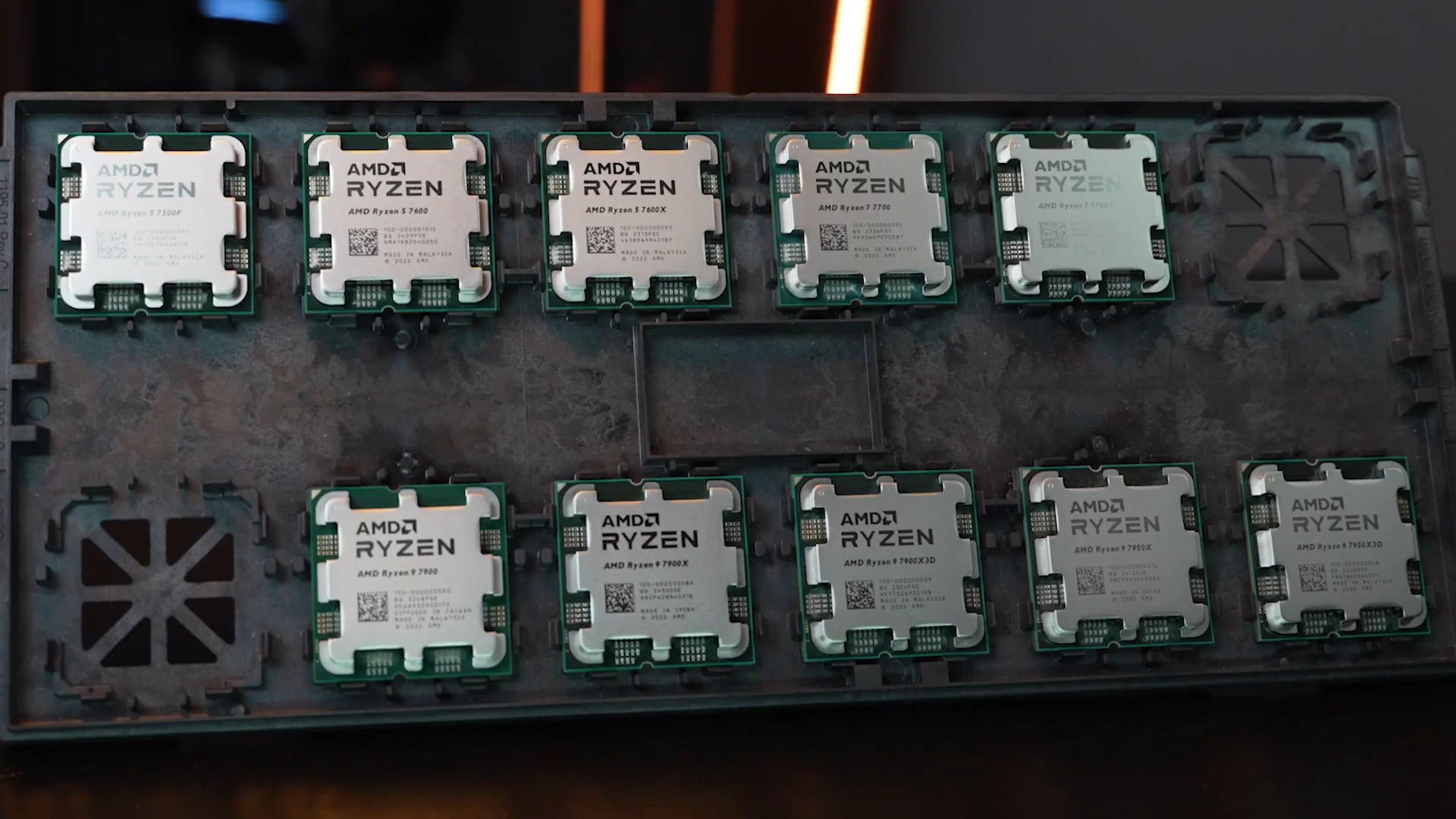
The Ryzen 7 9800X3D has arrived at $429, but is it a smart move for PC builders? On paper, this processor offers strong performance with its 3D V-Cache technology while undercutting AMD’s flagship 9850X3D by $130. However, the real question isn’t just about price—it’s whether the 9800X3D delivers enough of a performance boost to justify its lower cost compared to the more expensive model.
AMD has positioned this chip as a mid-range powerhouse, but the gap between it and the 9850X3D isn’t just about price. The 9850X3D still holds the crown for sheer performance, especially in demanding workloads. Builders who prioritize raw power might find the extra cost worthwhile, while those looking for a balance of performance and value could see the 9800X3D as a more attractive option.
Key specs: What’s on the table?
- Model: Ryzen 7 9800X3D
- Cores/Threads: 8 cores / 16 threads
- Base Clock: 4.5 GHz, Boost Clock: Up to 5.0 GHz
- Cache: 92 MB total (32 MB L3 + 60 MB 3D V-Cache)
- TDP: 120 W
- Socket: AM5
The 9800X3D’s 8-core, 16-thread configuration is a step down from the 9850X3D’s 16 cores but retains the same 3D V-Cache architecture. This means it can compete in gaming and productivity tasks where cache size matters, though it won’t match the 9850X3D in multi-threaded workloads.
Who benefits—and who should hold off?
For enthusiasts building high-end systems, the choice between the two models comes down to budget and workload. The 9800X3D is a strong contender for gamers and content creators who don’t need the full might of the 9850X3D but want a performance bump over older generations. That’s the upside—here’s the catch: if you’re already invested in a high-core-count setup or plan to push this CPU into heavy rendering or streaming, the 9850X3D’s extra cores and higher clock speeds could save you money in the long run by reducing render times.

Everyday users, on the other hand, might not notice the difference. The 9800X3D is a solid upgrade for mid-range builds, but its value hinges on whether it delivers noticeable gains over older AMD chips like the 5800X3D. For those who’ve been holding out for an AM5 upgrade, this could be the sweet spot—just don’t expect it to dethrone the 9850X3D in benchmarks.
The bigger picture: A shift in AMD’s strategy?
AMD’s pricing adjustment reflects a broader trend of tiered performance options, but whether this is a permanent shift or a temporary tactic remains unclear. The $429 price point for the 9800X3D suggests AMD is trying to capture more of the mid-range market without cannibalizing sales of its high-end models. For builders, the takeaway is clear: if you’re building a system around gaming or light productivity, the 9800X3D offers a compelling balance. If you’re aiming for maximum performance with room to grow, the 9850X3D still holds the edge.
The real question isn’t just about which chip to buy—it’s about whether AMD can sustain this pricing strategy without alienating its high-end customers. For now, the 9800X3D is a smart pick for those who want cutting-edge performance without breaking the bank, but the long-term impact on upgrade cycles and buying timing is still up in the air.