AMD’s open-source firmware initiative, openSIL, has crossed a critical threshold by operating on current AM5 motherboards. This achievement isn’t just a technical milestone—it’s a potential turning point for how PC hardware evolves. The Ryzen 7 9800X3D, with its LPDDR6 compatibility and 3D V-Cache architecture, remains the flagship of Zen 4, but the groundwork for Zen 6 is now being laid in firmware. For the first time, motherboard manufacturers and enthusiasts could gain unprecedented control over system behavior, moving beyond the rigid constraints of AMD’s proprietary AGESA updates.
The implications are immediate for high-end AM5 platforms. OpenSIL’s modular design, built in C-17, allows firmware to be updated and optimized independently by OEMs. This could mean faster adoption of features like LPDDR6 tuning or fine-grained voltage adjustments—something previously impossible without AMD’s approval. A Ryzen 9 9950X paired with LPDDR6 memory might soon see performance gains not just from hardware, but from firmware tailored to specific workloads.
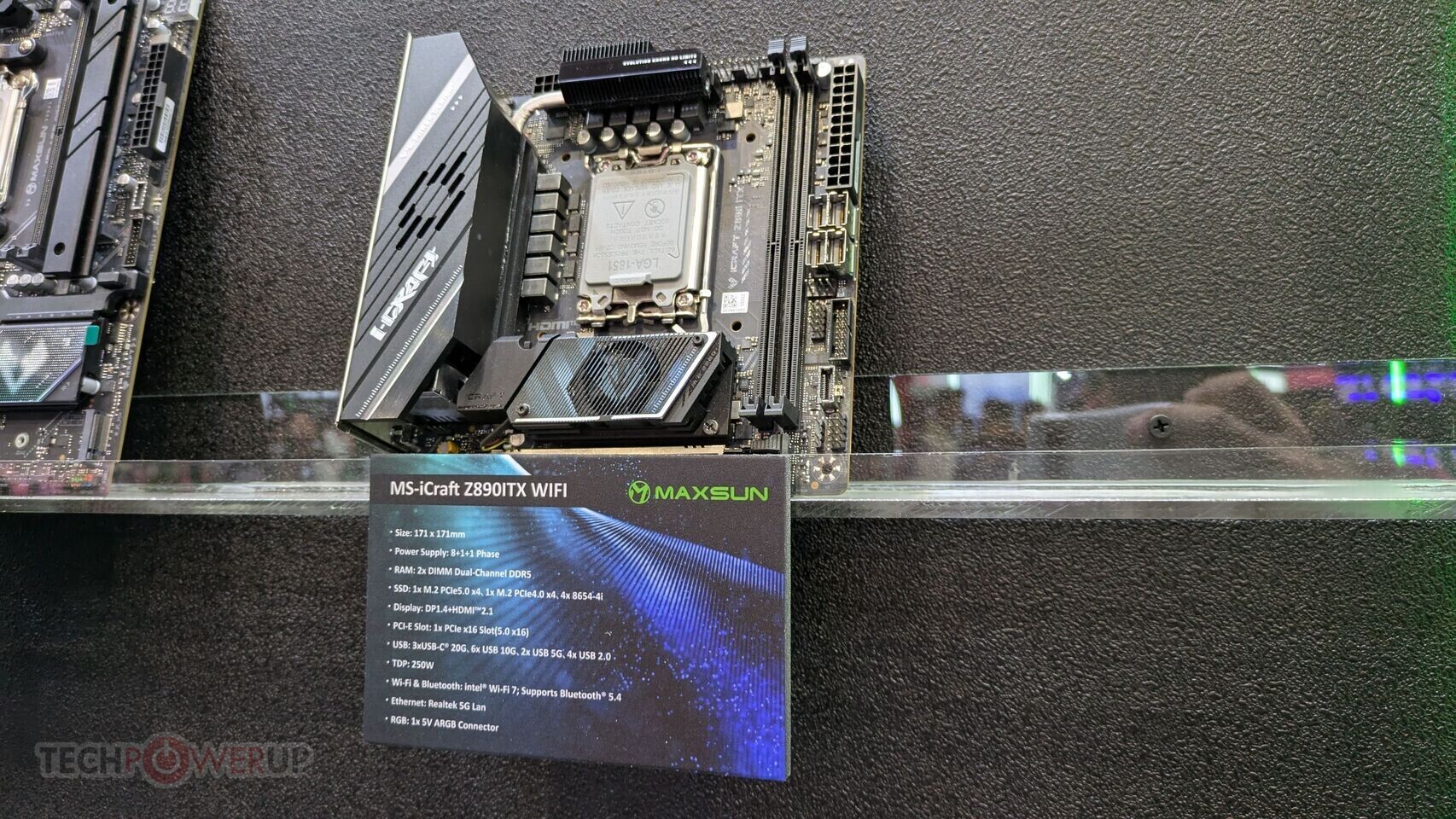
Stability has long been the Achilles’ heel of open-source firmware, but early tests on boards like the MSI PRO B850-P show openSIL matching AGESA’s performance without sacrificing reliability. This is particularly vital for architectures like the 9800X3D, where firmware quirks could disrupt the delicate balance of 3D stack performance. Reports from testers indicate smoother power management and fewer reboot-related issues—a stark improvement over AGESA’s early Zen 4 rollout.
Why This Matters for AM5 Owners
The transition to openSIL won’t happen overnight, but the timeline is accelerating. Server-grade EPYC Venice processors (Zen 6) will adopt it in late 2026, with consumer Ryzen CPUs following in early 2027. However, AMD’s decision to backport openSIL to AM5 suggests motherboard vendors may integrate it sooner, especially if it proves stable. For users with high-end X670E or B650 boards, this could unlock experimental firmware builds—think overclocking profiles optimized for LPDDR6 or power-saving modes designed for 24/7 workloads.

OpenSIL also addresses a long-standing frustration: the lack of firmware innovation in the x86 space. AGESA updates have historically been slow and monolithic, leaving OEMs and modders with limited flexibility. With openSIL, a motherboard maker like ASUS could release a custom firmware version with enhanced memory training for Ryzen 9000 chips, or Gigabyte might offer a low-latency variant for competitive gaming setups. The barrier to entry for firmware customization has never been lower.
A Strategic Shift for AMD
This isn’t just about technical flexibility—it’s a strategic move. By open-sourcing firmware, AMD reduces its own support burden while fostering a more dynamic ecosystem. OEMs gain the ability to differentiate their products without relying on AMD’s update schedule, and smaller manufacturers can compete without licensing costs. For consumers, the result could be faster optimizations: no more waiting months for AGESA patches to unlock new memory types or power features.
The broader industry is taking notice. Intel’s past experiments with open-source firmware and Apple’s adoption of open standards in hardware initialization suggest a trend toward transparency. If AMD’s gamble succeeds, it could set a new standard for x86 firmware—one where customization is as fluid as the software it powers.
What’s Next?
The next 18 months will determine whether openSIL lives up to its promise. Key milestones include the expansion of AM5 support across motherboard brands, the release of Zen 6 server firmware in late 2026, and the first consumer Ryzen updates in 2027. Enthusiasts should watch for three developments
- The adoption of openSIL by major OEMs, potentially unlocking custom firmware for existing AM5 boards.
- The stability and performance of Zen 6’s firmware, which will set the tone for consumer rollouts.
- The growth of community-driven firmware projects, which could lead to niche optimizations for everything from overclocking to power efficiency.
For now, the Ryzen 7 9800X3D remains the pinnacle of Zen 4 performance, but the real innovation is already in motion. OpenSIL isn’t just an update—it’s a redefinition of how PC hardware is controlled, optimized, and experienced. And for the first time in years, AMD’s firmware is leading the charge rather than lagging behind.