AMD’s Ryzen 9 9950X3D2 has quietly surfaced in benchmark databases, offering a glimpse into what may become one of the most polarizing CPUs of the year. Unlike its predecessors, this iteration doesn’t merely refine—it redefines the boundaries of 3D V-Cache technology by stacking it across both chiplets, pushing total L3 capacity to 192 MB while trimming peak clock speeds by a mere 100 MHz. The result is a processor that appears poised for dominance in cache-sensitive workloads, from high-end gaming to professional-grade rendering, but at a power cost that forces a reckoning with cooling limitations.
The Ryzen 9 9950X3D2 carries forward the architectural DNA of its immediate predecessor—the Ryzen 9 9950X3D—while introducing a critical evolution. With 16 cores and 32 threads, it maintains the same core count but adds an extra layer of 3D V-Cache to both chiplets (CCDs), effectively doubling down on AMD’s signature memory optimization strategy. Base clocks sit at 4.30 GHz, with boost frequencies reaching up to 5.6 GHz—just shy of the 9950X3D’s peak by 100 MHz—a tradeoff that hints at thermal constraints rather than performance sacrifice.
Geekbench v6.5 benchmarks paint a picture of modest but meaningful gains: single-core scores of 3,553 and multicore scores of 24,340, representing roughly a 7% improvement over the Ryzen 9 9950X3D in both categories. While such synthetic metrics rarely translate one-to-one to real-world applications, they suggest that the additional cache is being put to work—likely benefiting scenarios where memory bandwidth and latency are critical, such as certain gaming titles or workloads with heavy multithreading demands.
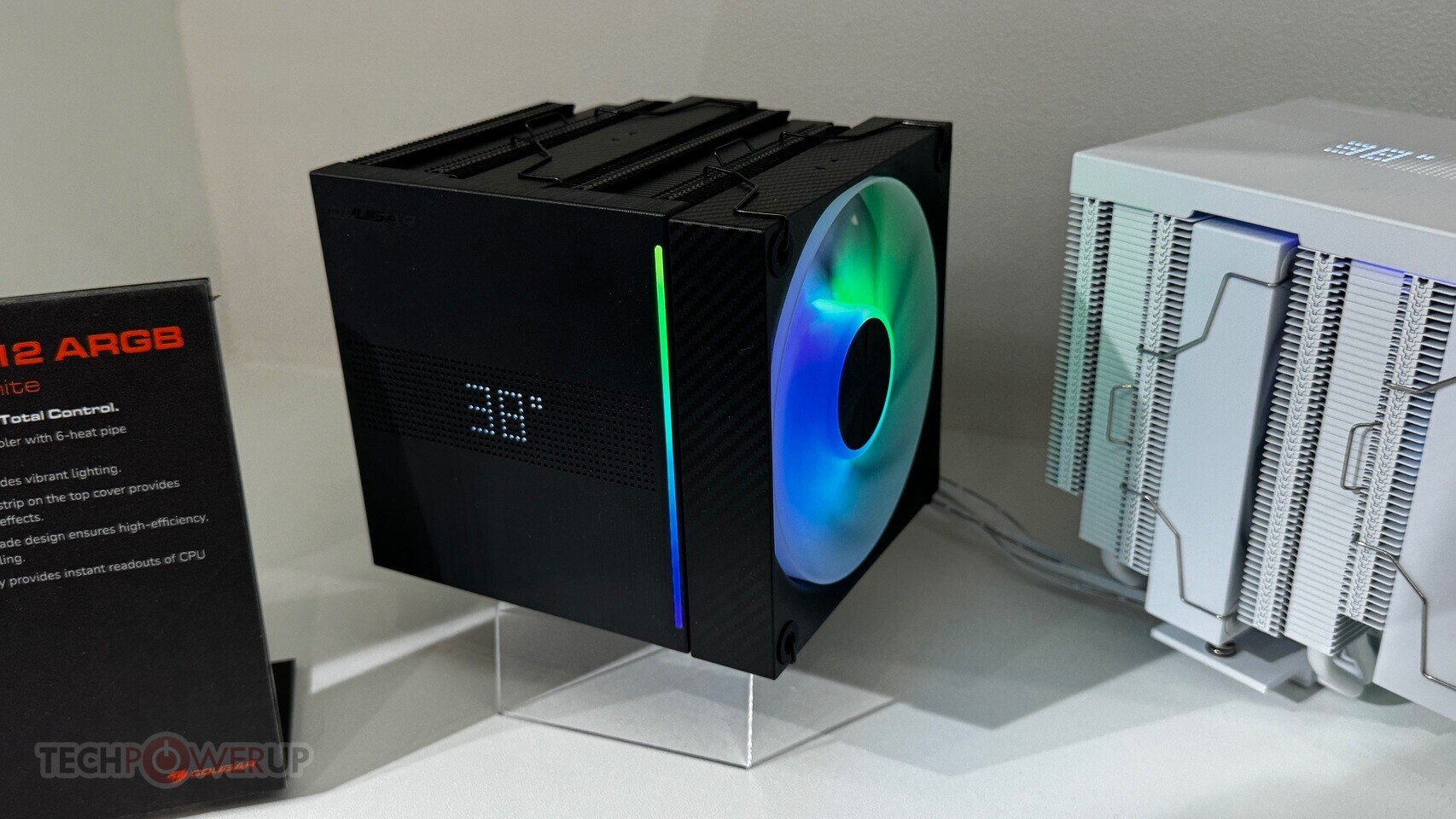
The downside? Power consumption. Rumors point to a thermal design power (TDP) of 200 W for the Ryzen 9 9950X3D2, up from the 170 W of its predecessor. Yet, in practice, sustained workloads could push platform power draw (PPT) closer to 250 W—a figure that challenges even high-end cooling solutions and motherboard power delivery. This isn’t an anomaly; it’s a pattern. AMD’s 3D V-Cache strategy has always prioritized performance over efficiency, but the Ryzen 9 9950X3D2 takes this to new extremes.
For enthusiasts and workstation users, the question is whether the gains justify the cost—both in price and in cooling infrastructure. The Ryzen 9 9950X3D2 isn’t just an incremental upgrade; it’s a statement piece, designed for those who demand the absolute maximum from their hardware, even if that means operating at the edge of what current systems can handle.
Availability remains unconfirmed, with CES 2026 initially rumored as a potential launch window. If history is any guide, AMD may delay its debut until later in the year, allowing time to refine power delivery and cooling recommendations. One thing is certain: this CPU isn’t for the faint of heart.