AMD has confirmed it will bring back the Trusted Platform Module (TPM) Support Module Engine (TSME) in its Ryzen processors, effectively undoing a previous move to remove it. This shift comes after feedback from developers and security experts highlighted potential risks, prompting AMD to act swiftly with a BIOS update.
The TSME feature, which was initially set to be removed in newer Ryzen chips, plays a critical role in hardware-based security and performance optimization. Its reinstatement aims to address concerns about data integrity and system reliability while maintaining compatibility with existing software stacks.
Key Specifications and Implications
- Feature: TSME (Trusted Platform Module Support Module Engine)
- Status: Reinstated via BIOS update
- Impact: Enhanced security and performance for Ryzen processors
- Compatibility: Works with existing software, no hardware changes required
- Availability: Update expected in coming weeks; exact timeline not confirmed
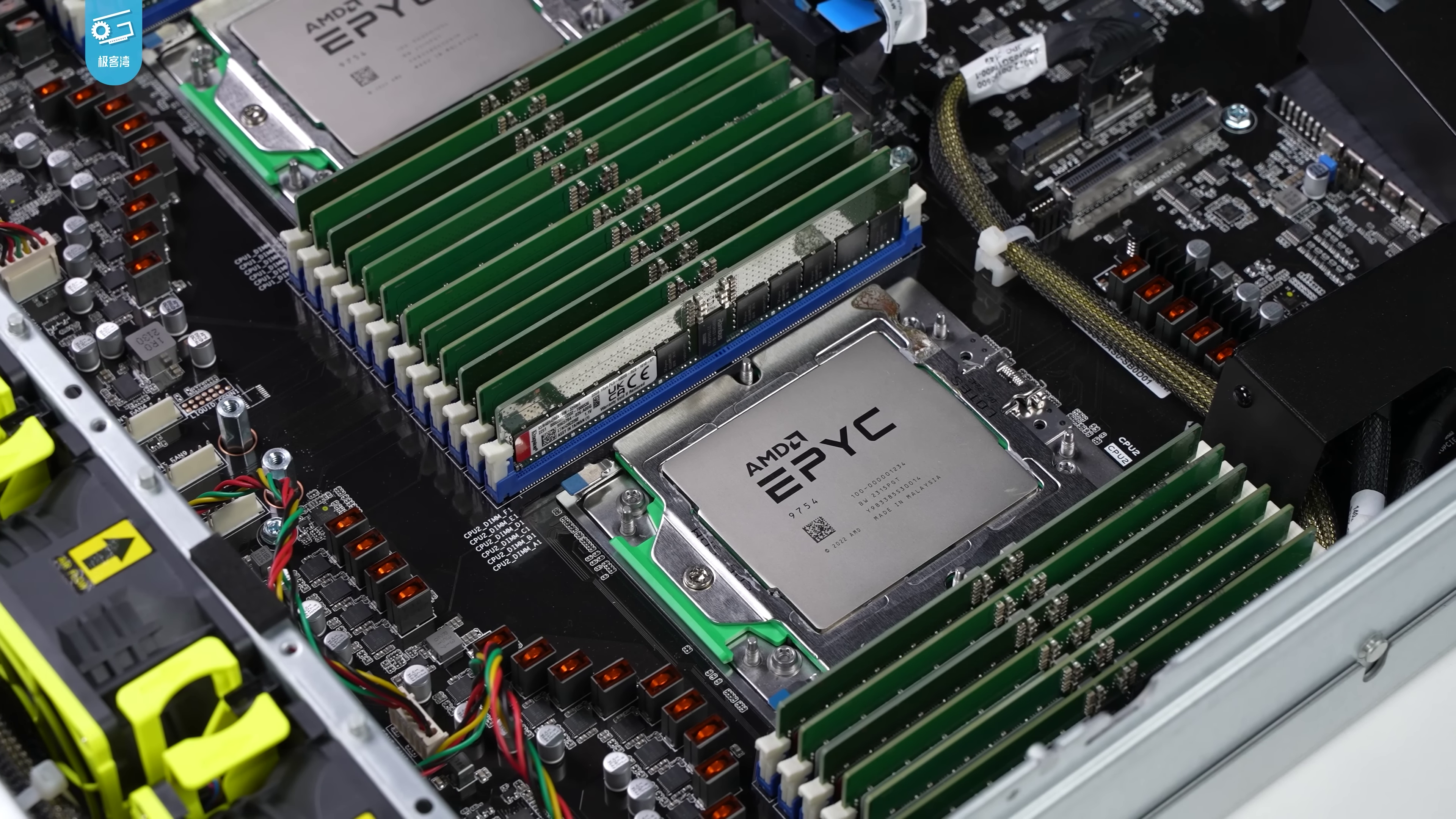
The TSME feature is designed to streamline interactions between the TPM and the processor, improving both security protocols and performance metrics. Its removal had been a point of contention, particularly for enterprise and developer communities that rely on robust security frameworks. AMD’s decision to reinstate it reflects a broader trend in hardware design, where efficiency and thermal management often come at the cost of feature parity.
Why This Matters
The reinstatement of TSME underscores the delicate balance between performance optimization and feature retention in modern processor architectures. For end-users, this means continued support for advanced security features without sacrificing the efficiency gains that led to its initial removal. Developers, on the other hand, can now proceed with confidence, knowing that their applications will not face compatibility issues due to missing hardware modules.
Looking ahead, AMD’s move serves as a case study in how engineering tradeoffs—such as those between power consumption and feature inclusion—can have ripple effects across an ecosystem. While the BIOS update is expected to resolve immediate concerns, longer-term implications for thermal management and performance tuning remain areas of focus for AMD and its partners.