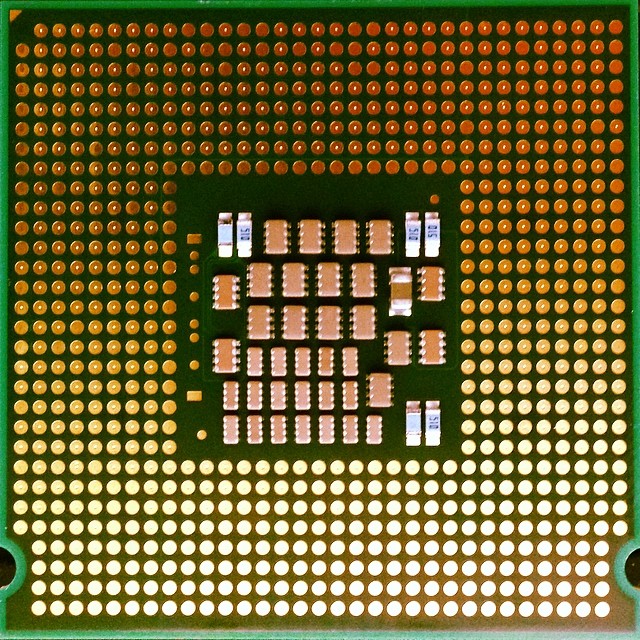
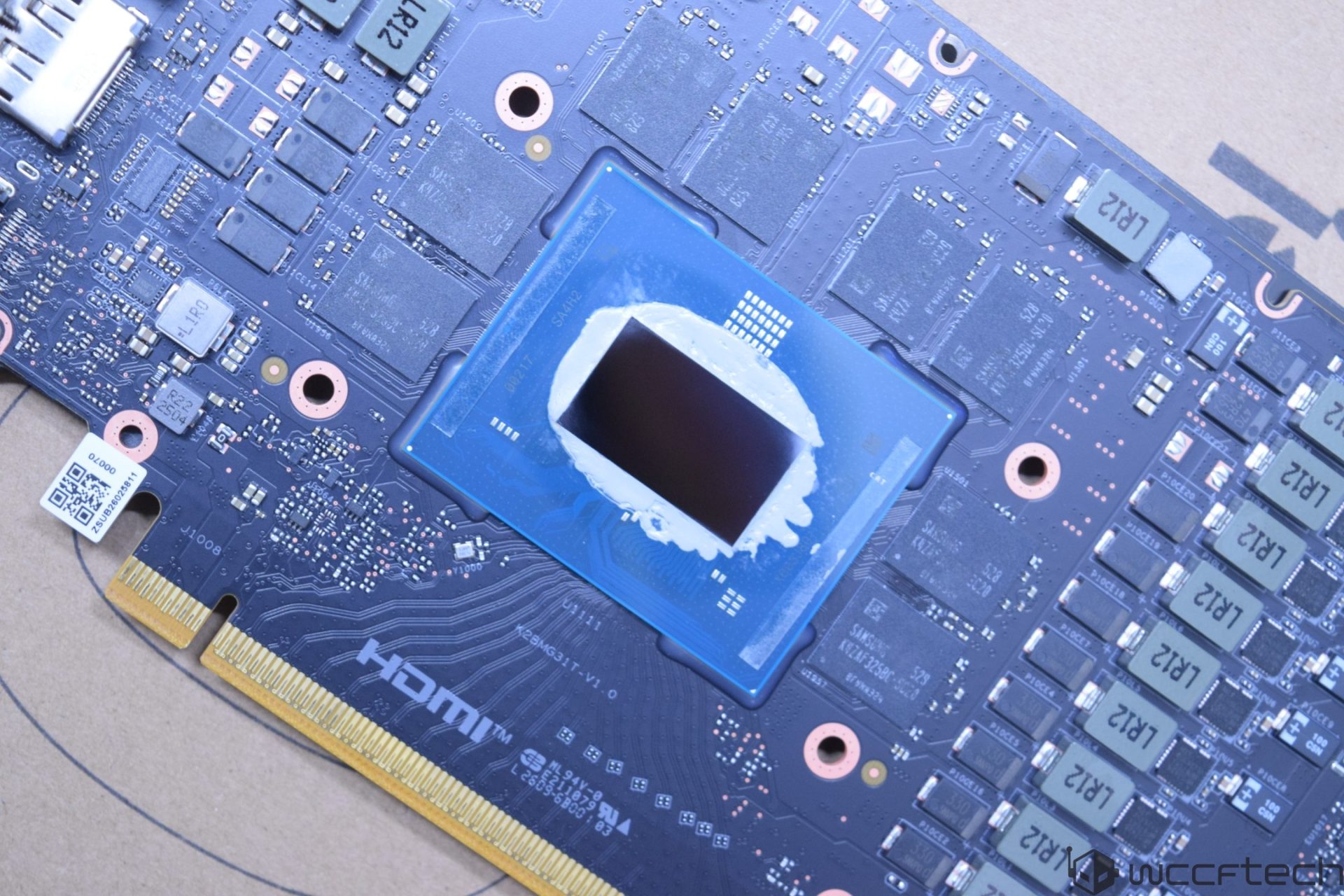
Government adoption of high-performance AI infrastructure marks a pivotal moment in the evolution of public-sector technology. At the center of this shift are two of the industry's most influential hardware providers: NVIDIA and AMD. Their involvement underscores a growing recognition that cutting-edge computing is no longer just for research labs or private enterprises—it’s becoming a cornerstone of national strategy.
NVIDIA, with its dominance in AI accelerators, brings to the table a suite of tools designed to handle the most demanding workloads. The company's latest offerings, including the A100 GPU and related software stacks, are built for tasks that push the boundaries of what’s feasible at scale. AMD, meanwhile, is contributing its EPYC processors and Instinct accelerators, positioning itself as a key player in this new ecosystem. Together, they represent a dual-approach strategy: NVIDIA’s focus on deep learning and high-performance computing paired with AMD’s broad server and data center capabilities.
Enthusiasts vs. Everyday Users
The immediate benefits for enthusiasts—particularly those in fields like defense, intelligence, or large-scale data analysis—are clear. Access to hardware capable of processing terabytes of data in real time could accelerate research and decision-making in ways that were previously unimaginable. For everyday users, however, the value is less obvious. While the underlying technology may trickle down over time, the primary impact will likely be felt by agencies with the resources to deploy these systems effectively.

One of the key tradeoffs here is cost. The A100, for example, starts at $9,000 per unit, a figure that pales in comparison to the budget constraints of many smaller organizations. AMD’s Instinct MI300X, while slightly more affordable, still carries a price tag that reflects its high-end positioning. This raises questions about accessibility and whether the benefits will be limited to those with deep pockets or if broader adoption is on the horizon.
Looking Ahead
The roadmap for this initiative remains unclear, but industry insiders suggest a phased approach. Early focus will likely be on pilot programs within select agencies, testing the integration of these systems in real-world scenarios. Long-term, the goal appears to be scaling this infrastructure to support everything from predictive analytics to complex simulations—a shift that could redefine how government operations function at both the tactical and strategic levels.
What’s certain is that this move signals a broader trend: the blurring of lines between private-sector innovation and public-sector deployment. As AI becomes more embedded in critical systems, the question isn’t just about hardware but about how these capabilities are governed, secured, and optimized for public good. For now, the emphasis is on performance, but the true test will be in execution.