upscaling is reshaping expectations in gaming, but the shift comes with unexpected tradeoffs.
The debate over AI-generated frames has taken a new turn. Blind tests reveal that gamers frequently favor DLSS 4.5’s AI-enhanced scenes over native rendering, even when they’re aware of the technology at play. This preference isn’t universal, but it’s consistent enough to force a reckoning: what if visual quality trumps raster performance in ways no one anticipated?
For PC builders, this raises critical questions about power efficiency and thermal behavior. DLSS 4.5 delivers smoother frame rates with less GPU workload, but the perceptual tradeoff—softer edges, occasional over-rendering—can feel like a compromise. The challenge now is whether hardware design can adapt without sacrificing the authenticity gamers still demand.
Timeline of the shift
- German testing found DLSS 4.5 preferred in three of six games (Anno 117, Arc Raiders, Horizon Forbidden West), with over 40% preference in two others (Arc Raiders, The Last of Us Part II).
- Nvidia’s push for AI upscaling aligns with market dominance, but the blind test results suggest a broader trend: players prioritize visual polish over traditional rendering metrics.
- The performance-per-watt narrative now includes AI efficiency—less heat, lower power draw—but the perceptual cost remains under debate.
What changed? The assumption that native rendering is inherently superior. Gamers are choosing smoother, more detailed scenes even when they acknowledge the artificiality of AI frames. For PC builders, this means rethinking thermal and power constraints: if AI upscaling reduces GPU load, the hardware can run cooler, but the visual tradeoffs must be managed carefully.
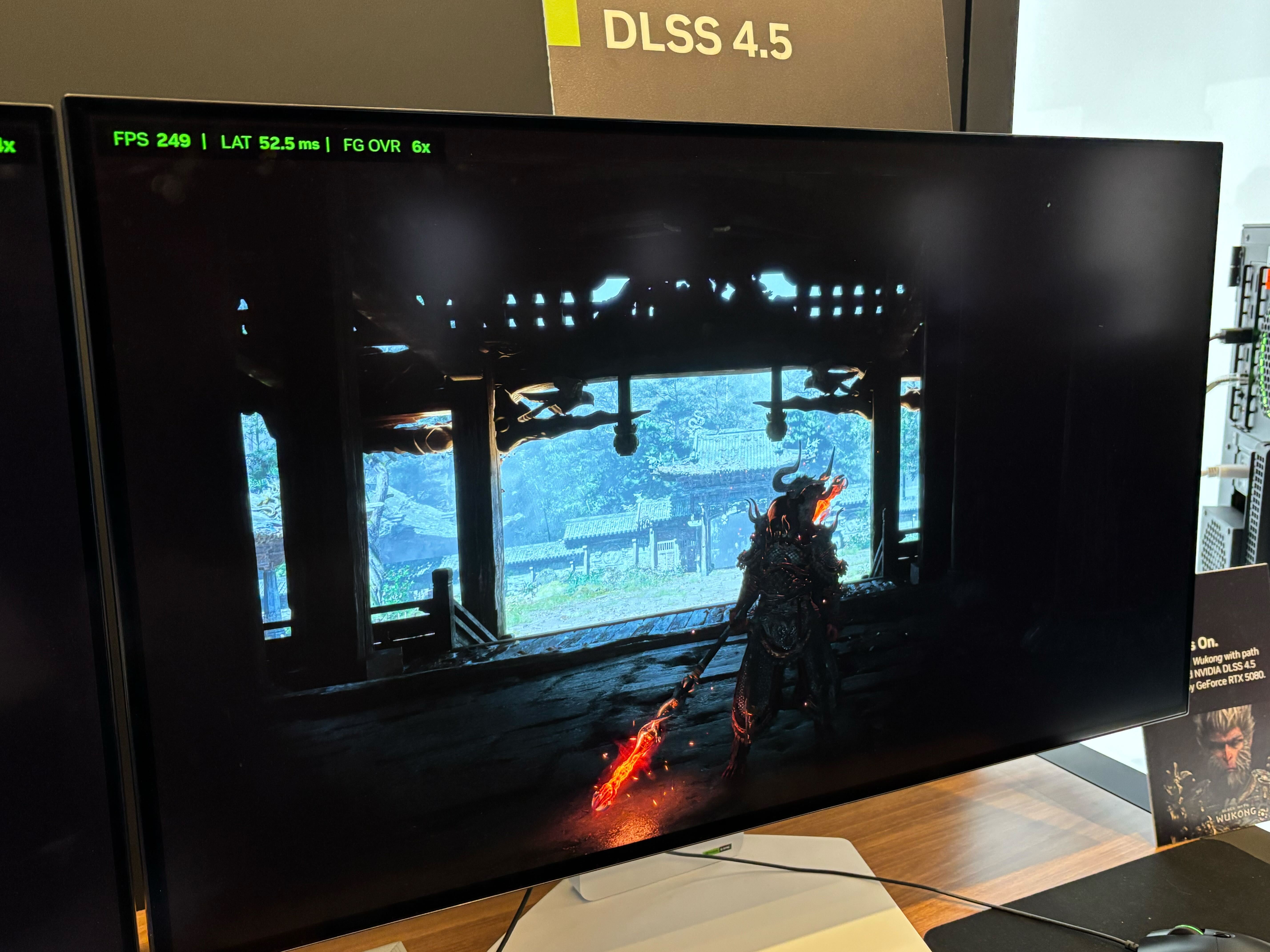
Why it matters now: The performance-per-watt equation is evolving. AI upscaling isn’t just about frame rates—it’s about how much work the GPU does to achieve them. If gamers accept (or prefer) the softer edges and occasional over-rendering, the thermal and power advantages could outweigh the perceptual costs. But if they don’t, the industry faces a delicate balancing act: optimizing for efficiency without losing authenticity.
The takeaway is clear: PC builders who prioritize value for money will need to weigh these tradeoffs carefully. AI upscaling offers real benefits—cooler runs, lower power draw—but only if gamers are willing to accept its visual quirks. The market dynamics suggest they are, but the challenge remains in refining the technology to meet that preference without compromise.