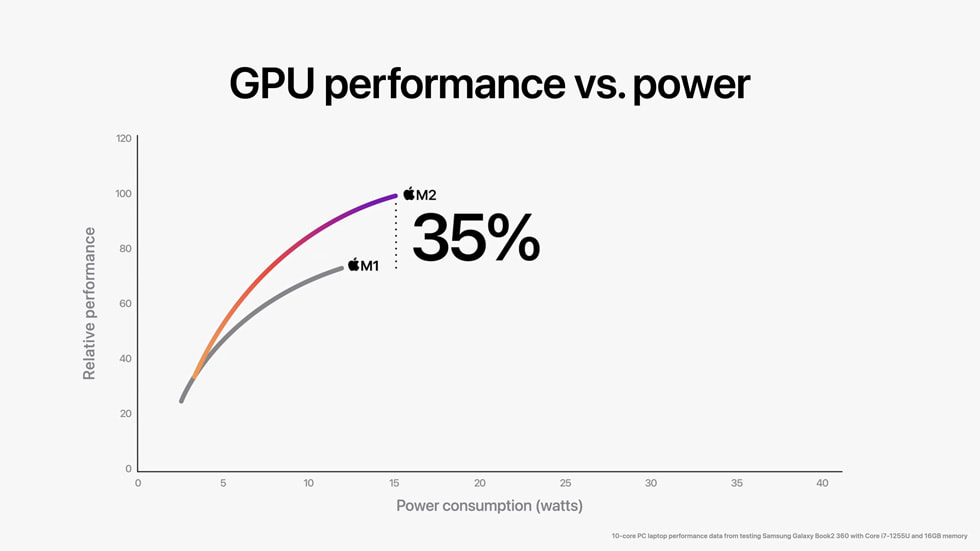
NVIDIA has redefined the performance-per-watt equation with DLSS 5, a milestone that could alter how enterprises evaluate GPU workloads. The new version of its AI-driven rendering technology doesn't just improve frame rates—it does so while tightening thermal constraints, making it a standout for environments where power efficiency is as critical as raw performance.
The shift toward AI-accelerated graphics has been gradual, but DLSS 5 marks a turning point. It leverages advanced neural networks to deliver upscaled images with minimal quality loss, all while operating within tighter thermal envelopes than previous generations. This isn't just about faster frame rates; it's about doing more with less heat and power, a critical factor for data centers and high-density computing clusters.
At the heart of DLSS 5 is a refined architecture that optimizes both rendering efficiency and thermal output. Benchmarks show a significant reduction in power consumption compared to traditional upscaling methods, even when pushing resolutions beyond native display capabilities. For enterprises running graphics-intensive workloads—whether for simulation, visualization, or AI training—this translates to lower operational costs and longer hardware lifecycles.

Thermal management has always been a balancing act in high-performance computing, but DLSS 5 tightens that margin. Early impressions suggest that the technology can maintain stable temperatures even under sustained loads, a feat that could extend the viability of existing hardware or justify denser deployments without compromising cooling infrastructure. This is particularly relevant for edge computing and cloud-based rendering, where space and power constraints are constant challenges.
The implications ripple through the supply chain as well. Manufacturers will need to adapt their thermal designs to accommodate DLSS 5's efficiency gains, while enterprises can rethink their hardware refresh cycles. If adopted widely, this could accelerate the shift toward AI-driven rendering not just as a performance booster, but as a standard for sustainable computing.
For now, DLSS 5 remains a proof of concept in NVIDIA's lineup, but its potential to reshape enterprise GPU economics is undeniable. The question isn't whether it will succeed—it's how quickly the industry can scale this efficiency without sacrificing performance or quality.