Xiaomi’s XRING 02 chipset marks a deliberate shift in the company’s approach to semiconductor design. Unlike its predecessor, which aimed to challenge industry leaders with cutting-edge performance, the XRING 02 prioritizes cost efficiency and ecosystem expansion over raw speed. This strategy reflects Xiaomi’s response to financial pressures in the mobile market, where rising DRAM and NAND flash costs have squeezed profit margins.
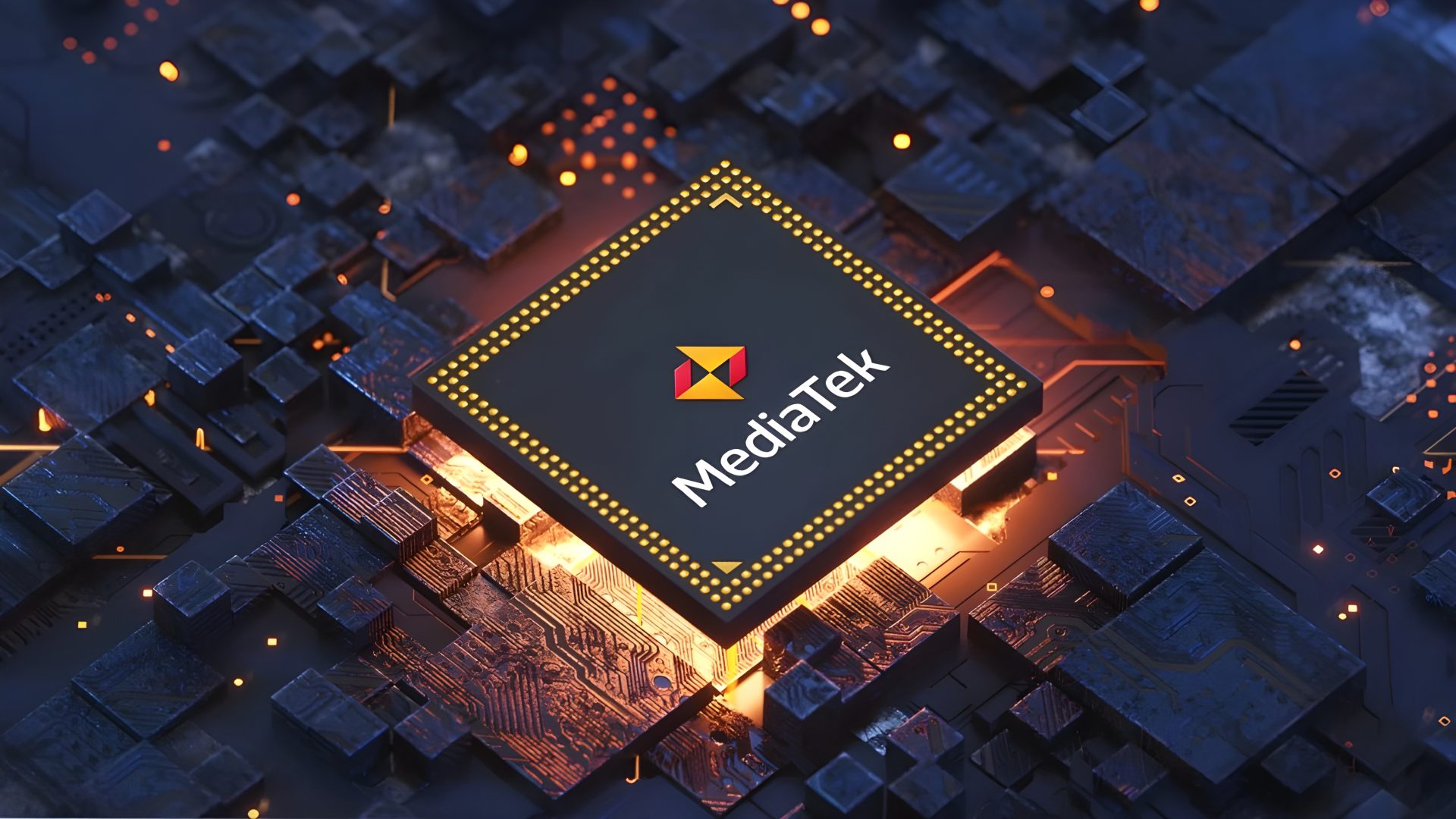
The decision to use TSMC’s 3nm N3P process instead of the newer 2nm node is not just about performance trade-offs—it’s a calculated move to position Xiaomi as a versatile player in multiple industries. While competitors like Qualcomm and MediaTek are already leveraging 2nm technology in their latest chipsets, such as the Dimensity 9600, Xiaomi’s choice suggests a focus on affordability and scalability rather than leading-edge innovation.
This approach could reshape Xiaomi’s smartphone lineup. The XRING 02 is unlikely to appear in flagship devices, where performance is paramount, but it may become a cornerstone for mid-range products or even automotive applications. If integrated into vehicles, the chipset could serve as a foundation for connected car systems, expanding Xiaomi’s influence beyond smartphones and tablets.
The financial context reinforces this strategy. Industry reports indicate that mobile DRAM prices have surged by 70% year-over-year, while NAND flash memory costs have doubled. In this environment, Xiaomi’s decision to stick with a mature process node reduces manufacturing expenses without compromising on key functionalities like LPDDR5X RAM support (up to 9600MT/s).

Yet, the XRING 02 is more than just a cost-saving measure—it represents Xiaomi’s long-term vision for its chipset ecosystem. By focusing on a proven process node, the company can refine its design capabilities while exploring new markets with greater agility. This contrasts sharply with competitors like Qualcomm and MediaTek, which are doubling down on 2nm nodes to secure performance leadership in flagship devices.
For consumers, this could mean more affordable mid-range smartphones without the premium pricing of top-tier models. However, the trade-off is clear: while the XRING 02 won’t match the performance of newer chipsets like the Dimensity 9500 (3nm) or Dimensity 9600 (2nm), it offers a balanced solution for markets where cost and scalability are priorities.
Xiaomi’s strategy underscores a broader industry trend: the increasing importance of ecosystem integration over raw performance. As semiconductor costs rise, companies must weigh innovation against practicality, and Xiaomi’s XRING 02 is a case study in this balancing act. Whether it succeeds in expanding into new markets remains to be seen, but its design reflects a company that is no longer satisfied with being just another player in the mobile chipset space.