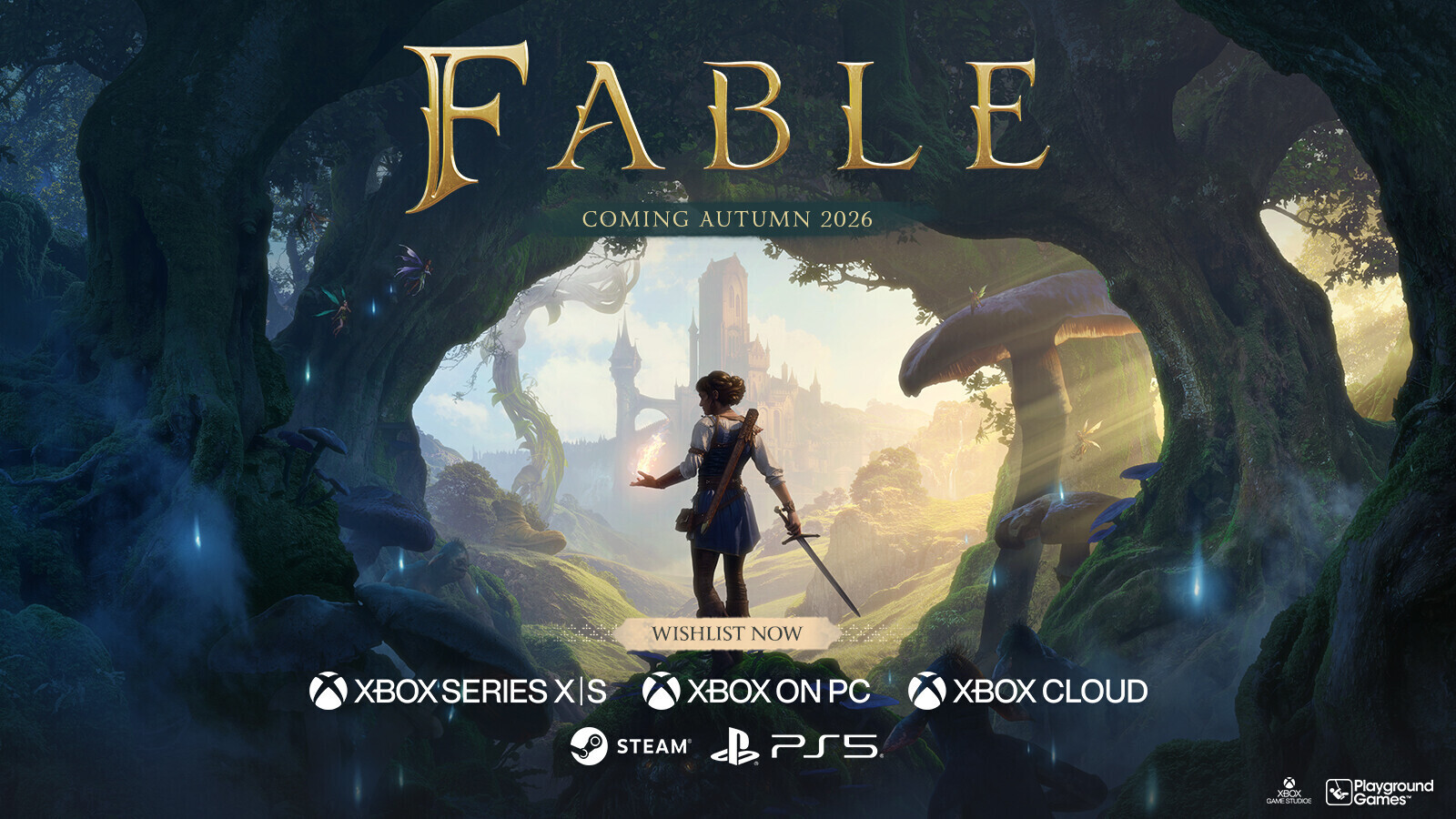
Xbox is doubling down on its core strength—games—rather than hardware advancements, according to recent indications. The focus appears to be on delivering high-performance gaming experiences without major announcements around next-gen hardware like Project Helix.
This shift suggests a strategic realignment for the platform, where game development and software optimization take precedence over hardware innovation. While no concrete details have emerged yet, the direction is clear: Xbox aims to solidify its position in gaming performance rather than pushing boundaries in hardware.
Performance over hardware
The absence of Project Helix news implies that Xbox may not be prioritizing next-generation hardware in the near term. Instead, the focus remains on refining game performance and user experience. This approach aligns with industry trends where software optimization and AI-driven workloads are becoming increasingly critical.
- Enhanced gaming performance through software improvements
- No immediate plans for major hardware announcements like Project Helix
- A continued emphasis on game development and platform optimization
Who benefits?
This shift is likely to benefit gamers who prioritize high-performance experiences over cutting-edge hardware. For enthusiasts, the focus on software and AI workloads could mean more efficient gaming setups without the need for frequent hardware upgrades. However, those seeking next-gen hardware innovations may find fewer immediate advancements from Xbox.
For businesses leveraging data and AI workloads, this direction could translate into more optimized platforms for machine learning tasks, though concrete details are still pending. The emphasis remains on software efficiency, which is a key consideration in modern computing environments.
A practical takeaway
The strategic pivot toward games and performance suggests that Xbox is prioritizing what matters most to its user base right now—reliable, high-performance gaming without the need for constant hardware upgrades. This approach could appeal to both casual gamers and data-driven workloads, though adoption will depend on how quickly these optimizations materialize.