Xbox has unveiled a new GPU that could redefine gaming performance—but not without controversy. The custom RDNA 4-based architecture delivers impressive benchmarks, with up to 30% faster ray tracing and 40% more compute power than the current Series X GPU. However, its exclusivity to an upcoming console raises tough questions for existing users: Is this a necessary upgrade or a gamble on unproven hardware?
The new GPU operates at 3.0 GHz with 16 GB of GDDR6 memory running at 18 Gbps, offering substantial improvements in real-time rendering and shader complexity. Yet its strict compatibility requirements mean only the next-gen console will support it, leaving Series X and Series S owners with a difficult decision. For those invested in game libraries and storage expansions, sticking with stable hardware may feel safer than risking performance gains on untried systems.
Performance vs. Practicality
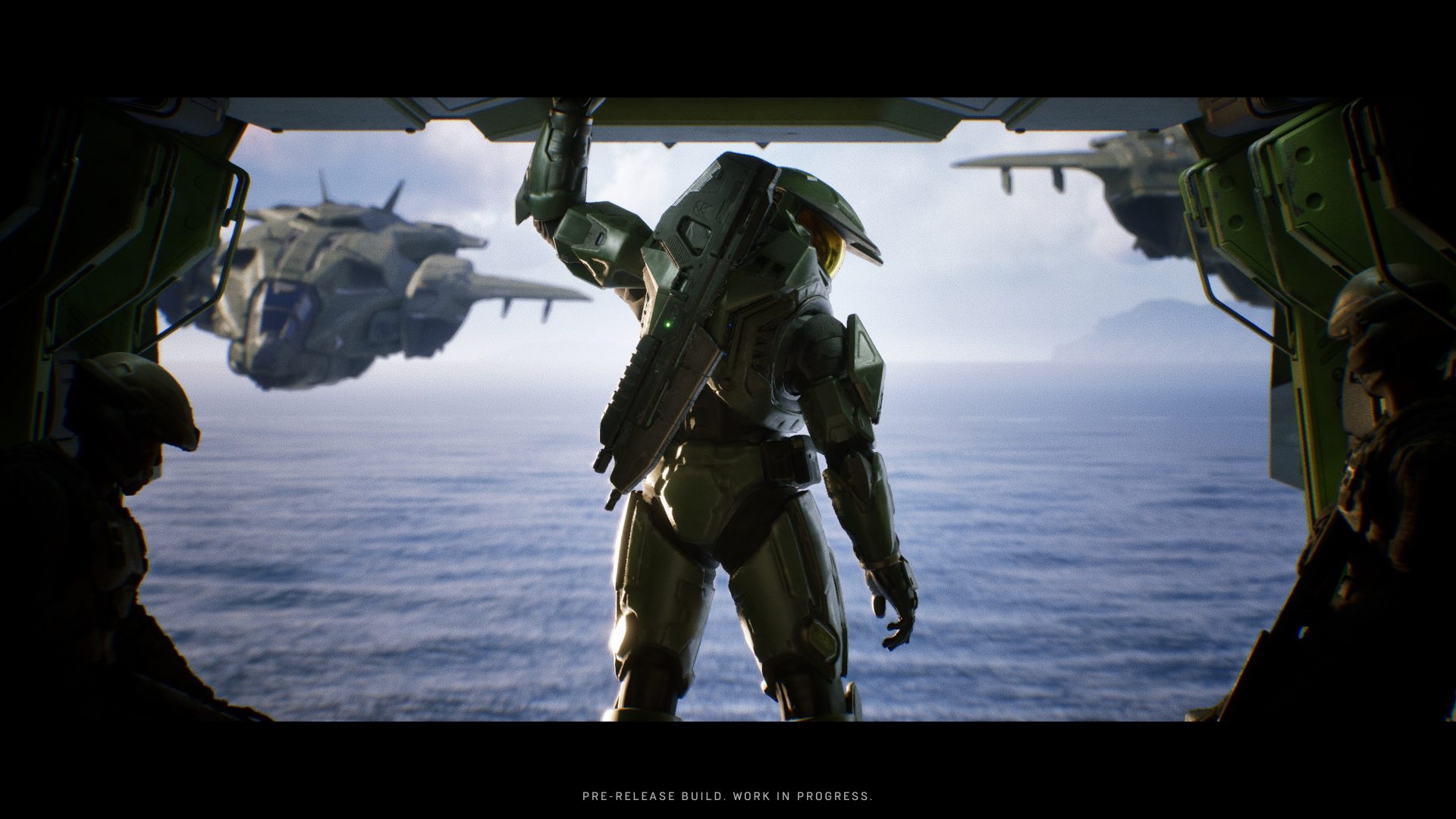
The GPU's raw specs are undeniably impressive, but real-world benefits depend heavily on software support. Older games may not see significant improvements if they weren't optimized for RDNA 4 from the start. This raises concerns about whether the performance leap is sustainable or if competing platforms will catch up before Xbox can fully capitalize on the new architecture.

A Risky Upgrade Path
For power users, the choice isn't just about performance—it's about cost and compatibility. A full system replacement could be expensive, especially with no guarantee that older games or accessories will work seamlessly. Meanwhile, developers are already pushing boundaries in real-time rendering, meaning even the next-gen console may not stay ahead for long.
The new GPU represents a bold step forward, but whether it's worth the leap remains uncertain. Xbox has set high expectations, and delivering on them will require more than just hardware—it'll need strong software optimization and a clear path for existing users. The stakes are higher than usual, making this one of the most consequential upgrades in recent memory.