Conan Exiles has always been a game of extremes: vast, unforgiving landscapes where survival hinges on both skill and the limits of technology. Eight years after its launch, that technology is getting a major overhaul—a free Unreal Engine 5 upgrade that promises to reshape the game’s visual identity and performance capabilities. The change isn’t just cosmetic; it’s an architectural shift that will affect how creators build content within the game, from large-scale environments to intricate modular assets.
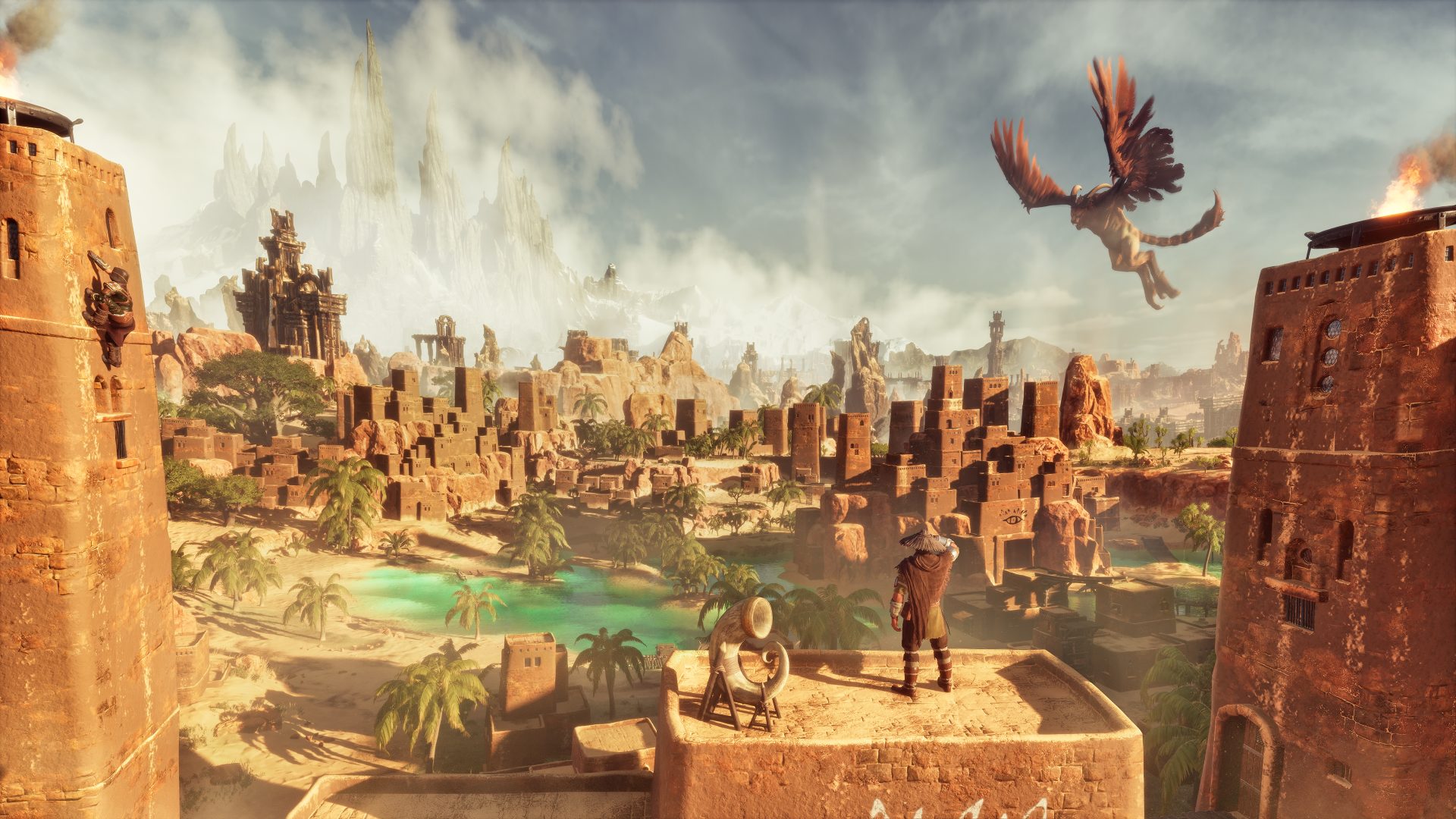
The core of this transformation lies in UE5’s advanced rendering tools. Nanite, Unreal Engine 5’s virtualized geometry system, will eliminate traditional polygon limits, allowing for unprecedented geometric complexity without sacrificing performance. Meanwhile, Lumen—UE5’s dynamic global illumination solution—will bring real-time lighting and reflections that adapt to in-game events, such as the day-night cycle or environmental changes. This means shadows and light will no longer be static; they’ll react dynamically, creating a more immersive and responsive world.
What It Plugs Into
The UE5 overhaul isn’t a standalone update—it’s a system requirement that demands significant hardware upgrades for those who want to take full advantage of its capabilities. To run the updated version smoothly, users will need at least 8 GB of RAM (with 16 GB recommended) and a GPU with ray tracing support. Compatibility extends to Windows 10 or later, as well as macOS Ventura and above, ensuring that creators working across different platforms can integrate the new tools without major disruptions.
- Graphics: Nanite will enable near-infinite geometric detail, while Lumen handles dynamic lighting and reflections in real time, creating more realistic environments.
- World Scale: The open world is being rearchitected to support larger, more complex environments with fewer performance trade-offs, making it easier to build expansive landscapes without sacrificing quality.
- Materials & Textures: A new material will streamline the creation of high-fidelity assets, reducing the time and effort required for texture-heavy workflows.
The upgrade also introduces a responsive day-night cycle system that reacts to in-game events, meaning lighting isn’t just static—it’s dynamic. This change is particularly significant for modders and content creators, who will need to rethink environmental storytelling without compromising performance. The new tools promise to make asset creation more efficient while delivering visually stunning results.
Who Benefits
This overhaul isn’t just a surface-level refresh—it’s a foundational change that will benefit different types of creators in distinct ways. Enthusiasts and modders who have been pushing the limits of Conan Exiles’ original engine will see the most dramatic improvements, especially in large-scale builds or heavily modded environments where polygon count and lighting complexity were previously bottlenecks.
For everyday creators, however, the upgrade carries a different weight. If your focus is on smaller maps or modular assets, the visual leap may not be as noticeable—but the tools for building them just got significantly more powerful. The material alone could streamline workflows for those who spend hours tweaking textures and shaders, making it easier to achieve high-fidelity results without sacrificing performance.
That said, not everyone needs to rush in. If your current hardware can’t handle UE5, or if you’re working on legacy content that isn’t yet optimized for the new engine, waiting may be the smarter play. The overhaul is arriving in stages, with some features rolling out as early as next month and others taking longer to integrate.
For those who do upgrade, the roadmap is clear: better tools, more flexibility, and a world that feels alive in ways it hasn’t before. However, timing will be key—especially for creators balancing performance, creativity, and the need to stay ahead of the curve. This isn’t just an upgrade; it’s a reinvention of what’s possible within Conan Exiles’ ecosystem.