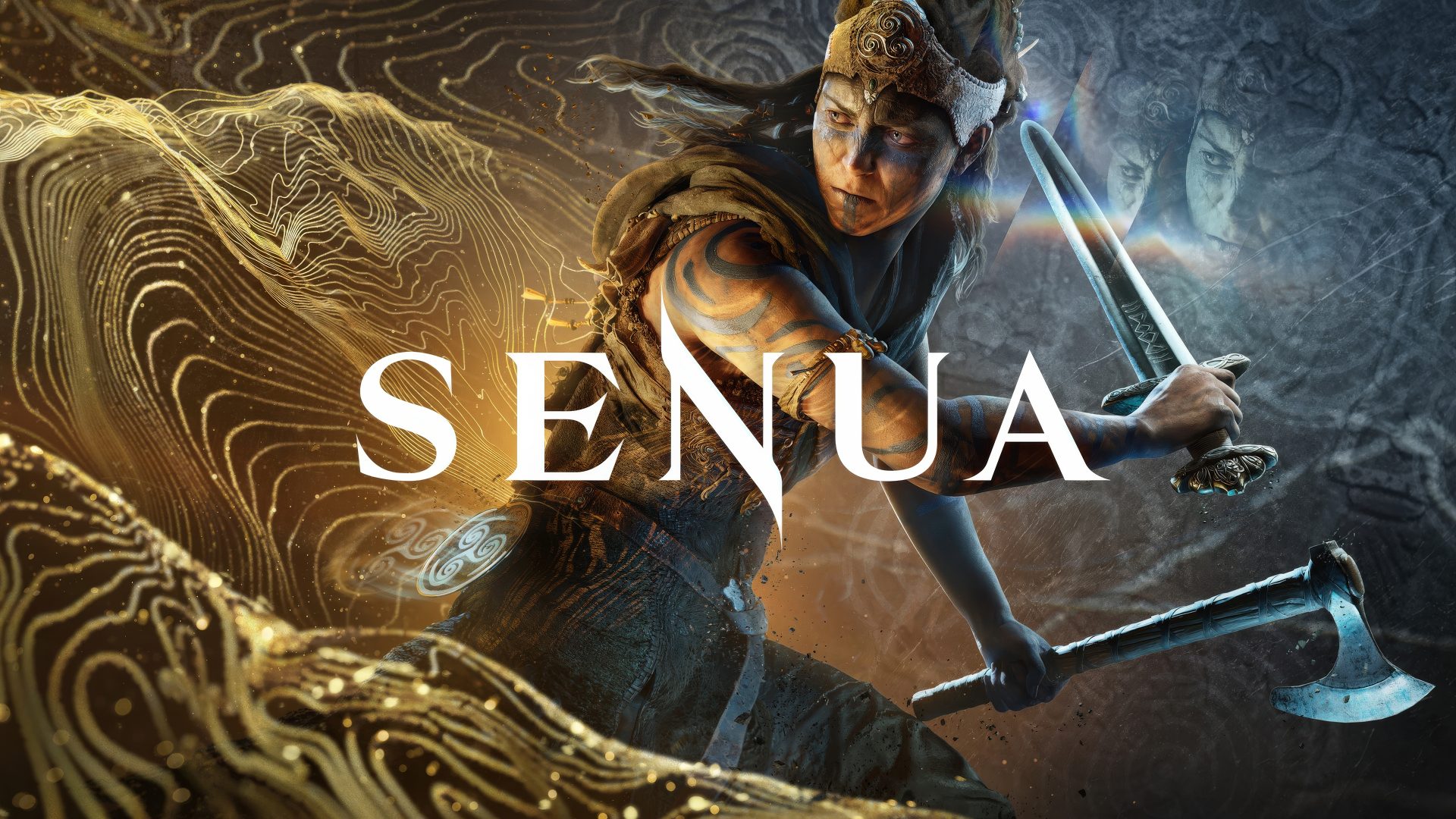
Xbox is redefining its approach to game exclusivity with a new policy that splits single-player and multiplayer experiences. Single-player games will now be exclusive to Xbox, while multiplayer titles can still launch on other platforms—including PlayStation and PC. This move aims to balance developer incentives with player choice, though the practical impact remains to be seen.
Under the new model, developers who want to publish single-player games on Xbox will need to commit to exclusivity for a set period, typically ranging from 12 to 36 months depending on the title. Multiplayer games, however, can still appear on multiple platforms, provided they meet certain criteria such as cross-platform play compatibility.
The shift is designed to address long-standing concerns about exclusivity in the gaming industry. By separating single-player and multiplayer experiences, Xbox hopes to create a more flexible environment for developers while maintaining its position as a leader in exclusive content. This could also influence how studios approach game design, potentially leading to more hybrid titles that blend single-player and multiplayer elements.
For players, the change means that single-player games will feel more tightly integrated with Xbox’s ecosystem—from Game Pass integration to cloud saves and cross-device play. However, enthusiasts who rely on multiplayer experiences may see fewer exclusives on Xbox, as developers prioritize broader platform availability for those titles.
- Single-player games will be exclusive to Xbox, typically for 12–36 months.
- Multiplayer games can still appear on other platforms, including PlayStation and PC.
- Developers must ensure cross-platform play compatibility for multiplayer titles.
- Xbox aims to strengthen its Game Pass ecosystem with more exclusive single-player content.
The new policy does not come without challenges. Developers may face increased pressure to choose between exclusivity and broader platform support, which could affect the diversity of games available on Xbox in the long run. Additionally, the success of this model will depend heavily on how well it integrates with Xbox’s existing services—such as Game Pass—and whether players are willing to embrace a more fragmented gaming landscape.
While Microsoft has not provided exact details on how this shift will impact its financial agreements with developers, industry analysts suggest that the company is aiming for a balance between exclusivity and market reach. Whether this strategy pays off remains uncertain, but one thing is clear: Xbox is taking a bold step toward redefining what it means to be an exclusive platform in today’s gaming world.