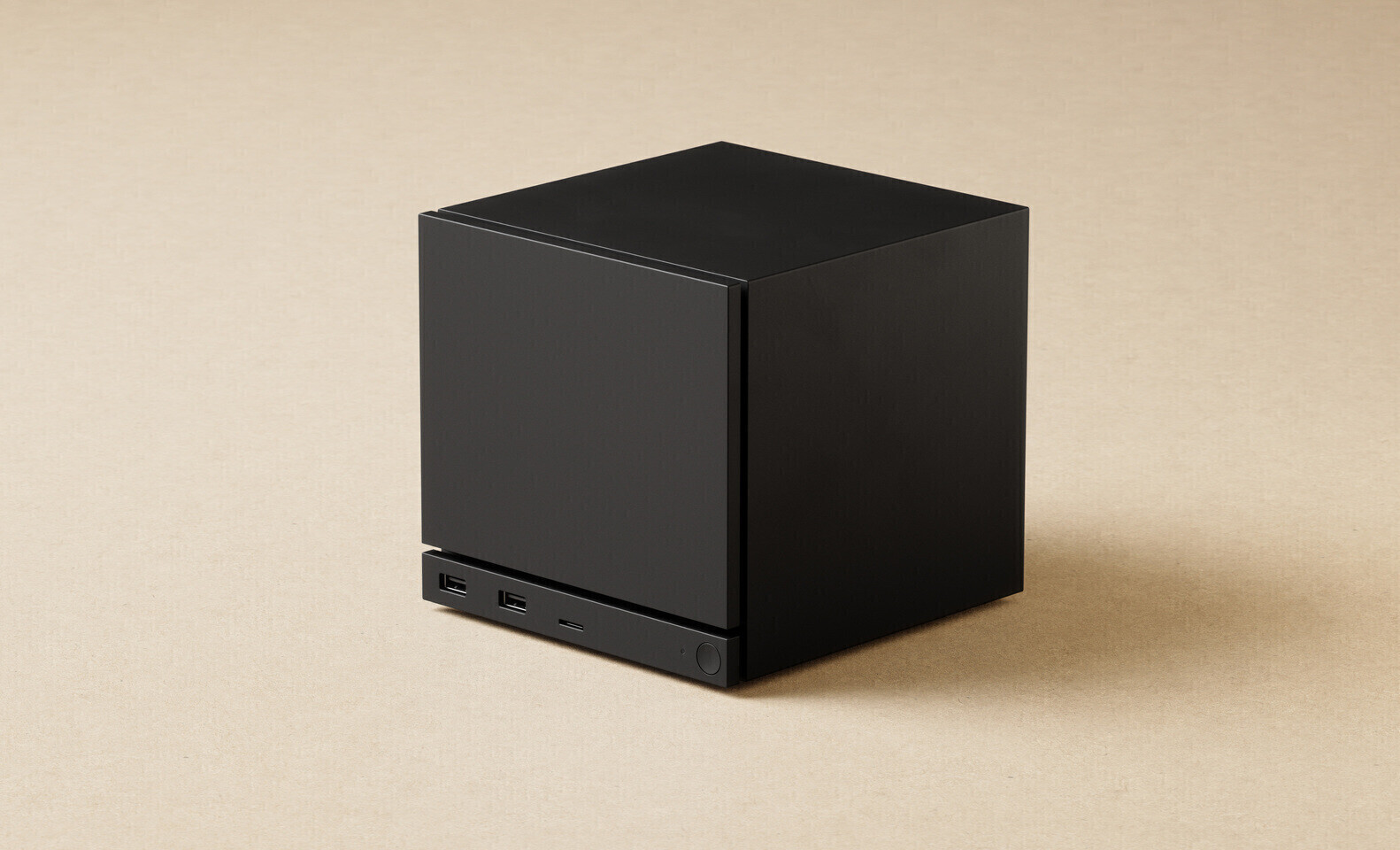
The Xbox Helix represents a significant evolution in gaming hardware, with its development tied to two critical advancements: AMD's next-generation RDNA 3 graphics technology and a clear timeline for developer access. Unlike previous iterations, the Helix is not merely an incremental upgrade—it is a complete reinvention, promising backward compatibility across four generations of Xbox consoles while integrating advanced machine learning capabilities that could fundamentally alter how games are rendered and experienced.
Developers will receive alpha versions of the Helix development kits by the end of 2027, setting the stage for what is expected to be a 2027-2028 launch window. While the exact date remains undisclosed, the focus on backward compatibility—supporting games from Xbox Series, Xbox One, and even Xbox 360—positions the Helix as a bridge between legacy and future gaming experiences. This approach ensures that developers can leverage existing titles while pushing the boundaries of next-generation performance.
The Helix's architecture will be built around AMD's RDNA 3 graphics technology, paired with a new system-on-chip (SoC) designed to optimize ray tracing, performance, and efficiency. The integration of machine learning features, such as FSR Diamond—a next-gen upscaling technology—suggests that the platform will prioritize not only graphical fidelity but also adaptive rendering across different hardware configurations. This dual focus on power and intelligence could redefine how games are developed and deployed, offering developers a flexible yet high-performance foundation.
Xbox Mode: A Seamless Console Experience on Windows 11
While the Helix takes center stage in next-gen hardware, another development is arriving much sooner. Xbox Mode, an exclusive feature for Windows 11 PCs, is set to debut in April. This mode promises a console-like experience—familiar controls and optimized performance—but without the limitations of a closed ecosystem. Unlike previous attempts to blend Xbox and PC experiences, this iteration aims for seamless integration, drawing from lessons learned with the ASUS ROG Xbox Ally.

The performance implications of Xbox Mode remain uncertain, but its potential lies in offering gamers a way to enjoy console-like experiences without requiring dedicated hardware. The earlier Full Screen Experience on the Ally demonstrated performance improvements, but whether those gains will translate broadly across Windows 11 systems depends on Microsoft's refinements to the underlying architecture. For administrators and developers, this could mean a more streamlined approach to gaming deployment, though resource usage and compatibility may still present challenges.
Looking Ahead: What’s Confirmed and What Isn’t
The Helix's roadmap is becoming clearer, but key questions remain unanswered. While it will support backward compatibility across four generations of Xbox consoles and integrate advanced AMD technology, its approach to hybrid console-PC gaming is still uncertain. Will it follow Valve's experimental model or take a more incremental path? Similarly, Xbox Mode on Windows 11 represents a step toward unifying gaming experiences, but its real-world impact hinges on Microsoft's ability to balance performance, resource efficiency, and user expectations.
One certainty is that the Helix is not just about hardware—it is about rethinking the role of gaming consoles. Whether through advancements in ray tracing, machine learning integration, or cross-platform accessibility, the Helix aims to set a new standard for next-generation gaming. For now, developers and administrators will have to wait for further details, but the pieces are falling into place for a transformative leap forward.