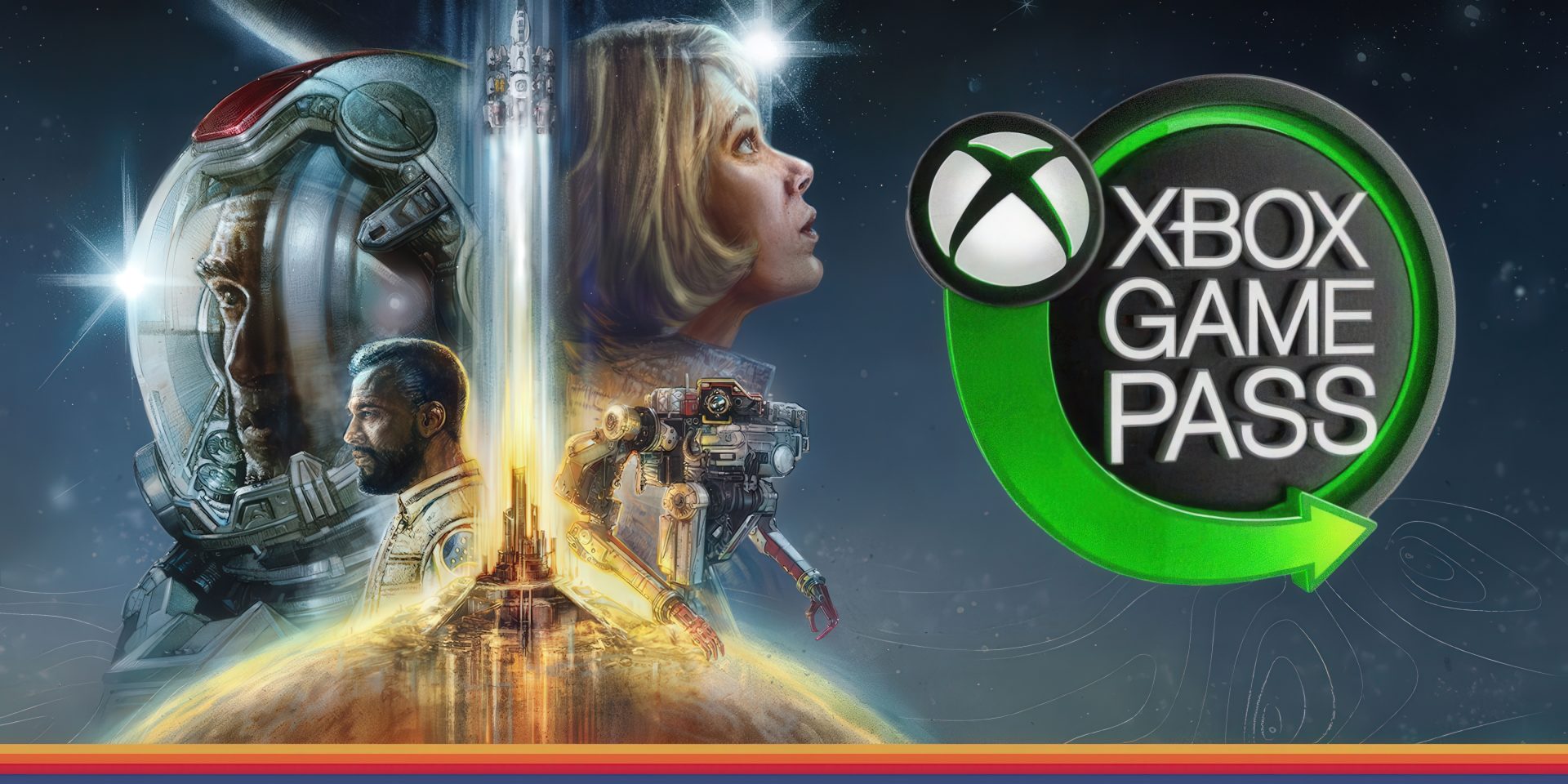
Xbox Game Pass has long been a topic of debate in gaming circles. What if it had been more than just a subscription model? What if it had truly solidified Microsoft’s grip on console dominance?
The service, designed to offer a vast library of games for a flat monthly fee, has always carried the weight of expectation. For developers, it represented an opportunity to build loyalty and lock players into Xbox’s ecosystem. Yet, despite its ambitions, Game Pass never quite delivered the knockout punch needed to cement that dominance.
At the heart of this narrative is a quiet admission: Game Pass could have worked. The framework was there—access to hundreds of titles, day-one releases, and a seamless experience across Xbox platforms. But Microsoft’s inability to deliver the big hits that would justify long-term commitment left the service adrift, struggling to convince players that sticking with Xbox was the smarter choice.
Where Game Pass Stands Today
The current iteration of Game Pass is a shadow of its potential. While it offers a robust library—including first-party titles from Xbox Game Studios and third-party acquisitions—the absence of high-profile, must-play releases has diluted its appeal. For developers, this means missed opportunities to leverage the service as a tool for platform loyalty.
- Game Pass Ultimate: $17 per month (includes Xbox Live Gold)
- Library size: Over 400 games
- Day-one releases: Available on launch day
These numbers paint a picture of abundance, but the reality is more nuanced. Without blockbuster exclusives or groundbreaking titles that demand long-term investment, Game Pass fails to deliver the kind of value that would make players think twice about jumping ship to PlayStation or Nintendo.
Why It Matters for Developers
For developers, Game Pass represents a double-edged sword. On one hand, it’s a platform that could offer unparalleled visibility and revenue potential if executed correctly. On the other, its current state leaves much to be desired in terms of long-term commitment from players.
The service’s struggle isn’t just about content quantity—it’s about quality and exclusivity. Without the kind of high-impact titles that make players feel like they’re getting something special for their subscription, Game Pass risks becoming just another streaming service, lacking the emotional connection that drives platform loyalty.
This is where the stakes get interesting. For Microsoft, the goal should have been clear: create a library so compelling that players couldn’t imagine leaving Xbox behind. But without those big hits—those titles that make headlines and generate buzz—Game Pass remains a footnote in the broader gaming landscape.
What Comes Next?
The future of Game Pass is uncertain, but one thing is clear: Microsoft needs to double down on exclusives if it wants to turn the tide. The service has the potential to be a game-changer, but only if it delivers the kind of content that makes players feel like they’re part of something exclusive and worth sticking around for.
For now, Game Pass is a mixed bag—a reminder of what could have been, but also a challenge to Microsoft to step up its game. The question isn’t whether Game Pass can work; it’s whether the company has the will and the strategy to make it work on a larger scale.