The MacBook Neo’s 8GB LPDDR5X memory is not just about limiting performance; it’s a direct result of how the A18 Pro chip is packaged. Unlike traditional designs where DRAM sits on the motherboard, this mobile SoC integrates RAM directly onto the silicon using TSMC InFO-PoP (Integrated Fan-Out Package on Package) technology. That fusion means no room for expansion, and swapping to 12GB would break the $599 price point.
Apple could have opted for a more flexible design, but that would have pushed costs higher. The A18 Pro’s packaging is identical to what’s used in the iPhone 16 Pro, where 8GB is also standard. Even if Apple wanted to increase memory, the DRAM shortage has driven prices up—12GB LPDDR5X modules now cost around $70 each, further straining the budget.
Performance vs. Practicality
The tradeoff isn’t just about specs; it’s about what small businesses and everyday users actually need. For basic tasks like web browsing, note-taking, or light multitasking, 8GB is sufficient. The A18 Pro’s efficiency keeps power draw low, which extends battery life—a critical factor for a sub-$600 device.
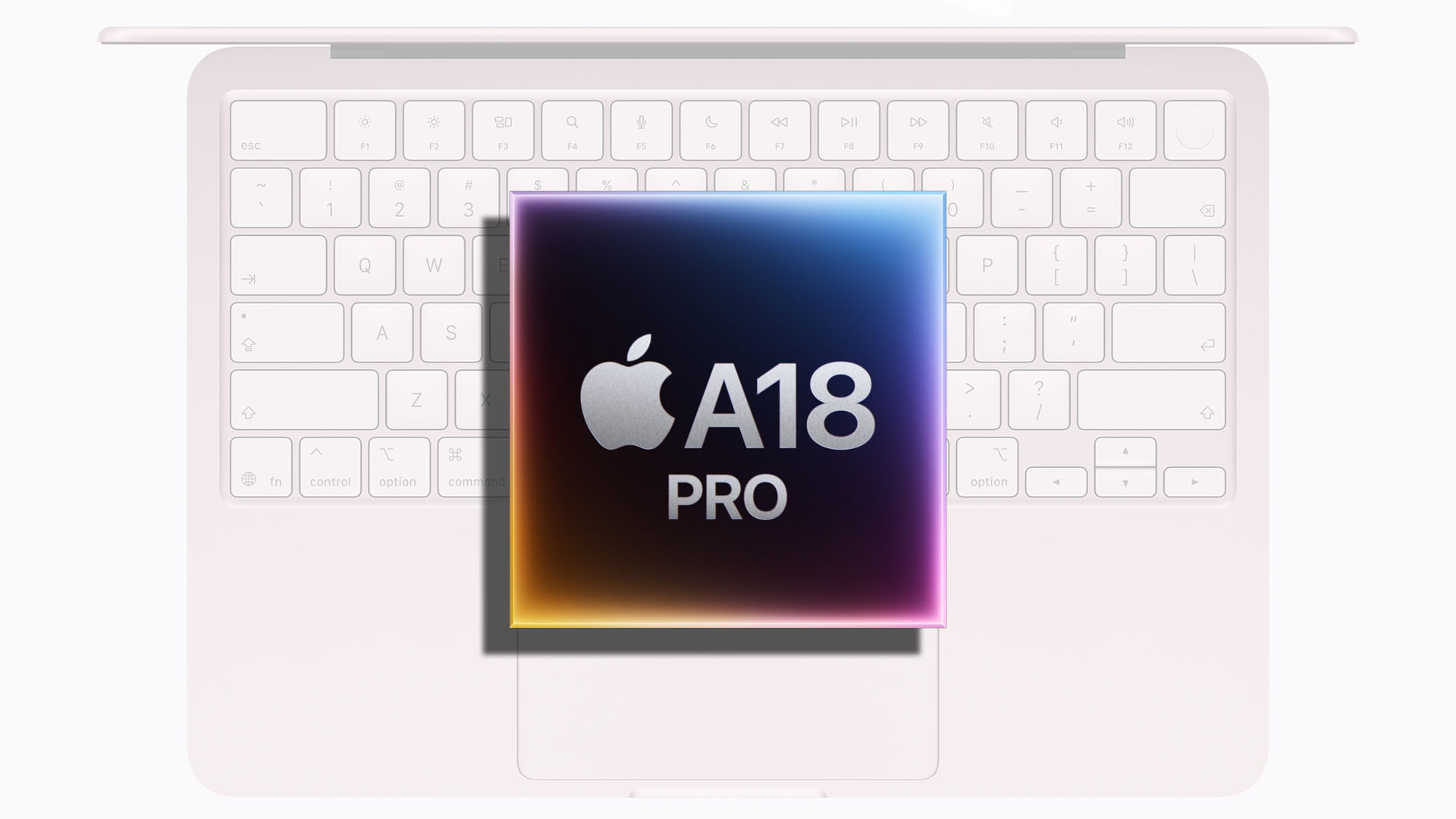
- Chip: A18 Pro (6-core GPU)
- Memory: 8GB LPDDR5X
- Storage Options: 256GB, 512GB
- Ports: Two USB-C (one slower)
- Price: $599
The real-world impact is clear: users won’t notice a slowdown in daily use, but heavier workloads like video editing or running multiple virtual machines will feel the constraint. Apple’s decision to lock one GPU core in software (a practice seen in iPhones) further emphasizes that this chip was designed for affordability over raw performance.
For businesses looking for a budget-friendly MacBook, the Neo strikes a balance—just don’t expect it to handle everything an M-series Mac can. The next iteration may shift this dynamic if Apple revisits its packaging strategy or addresses DRAM costs head-on.