Cult of the Lamb thrives on the ritual of victory: defeat a boss, and you can recruit them into your twisted flock. But in Woolhaven, one antagonist defies this pattern entirely. Marchosias, the expansion’s climactic foe, refuses to join your cult—no matter how many times you attempt to indoctrinate him. The decision isn’t a bug; it’s a deliberate narrative choice rooted in his identity.
The game’s world is built on religious obsession, where every faction worships something. Yet Marchosias, a scientist scarred by dogma, represents its antithesis. His lab is cluttered with books and equipment, his dialogue drips with skepticism toward faith, and his final act—ripping himself apart rather than submitting—is a defiant rejection of the cult’s influence. Developers confirm this wasn’t an oversight but a conscious design to preserve his character’s integrity.
Players may feel cheated by the lack of a new cultist companion, but the payoff lies in his consistency. From his first encounter—where he snatches supplies from your stash—to his climactic refusal, Marchosias remains unyielding. Forcing him into the fold would have undermined his arc, they argue, turning a complex villain into a hollow trophy.
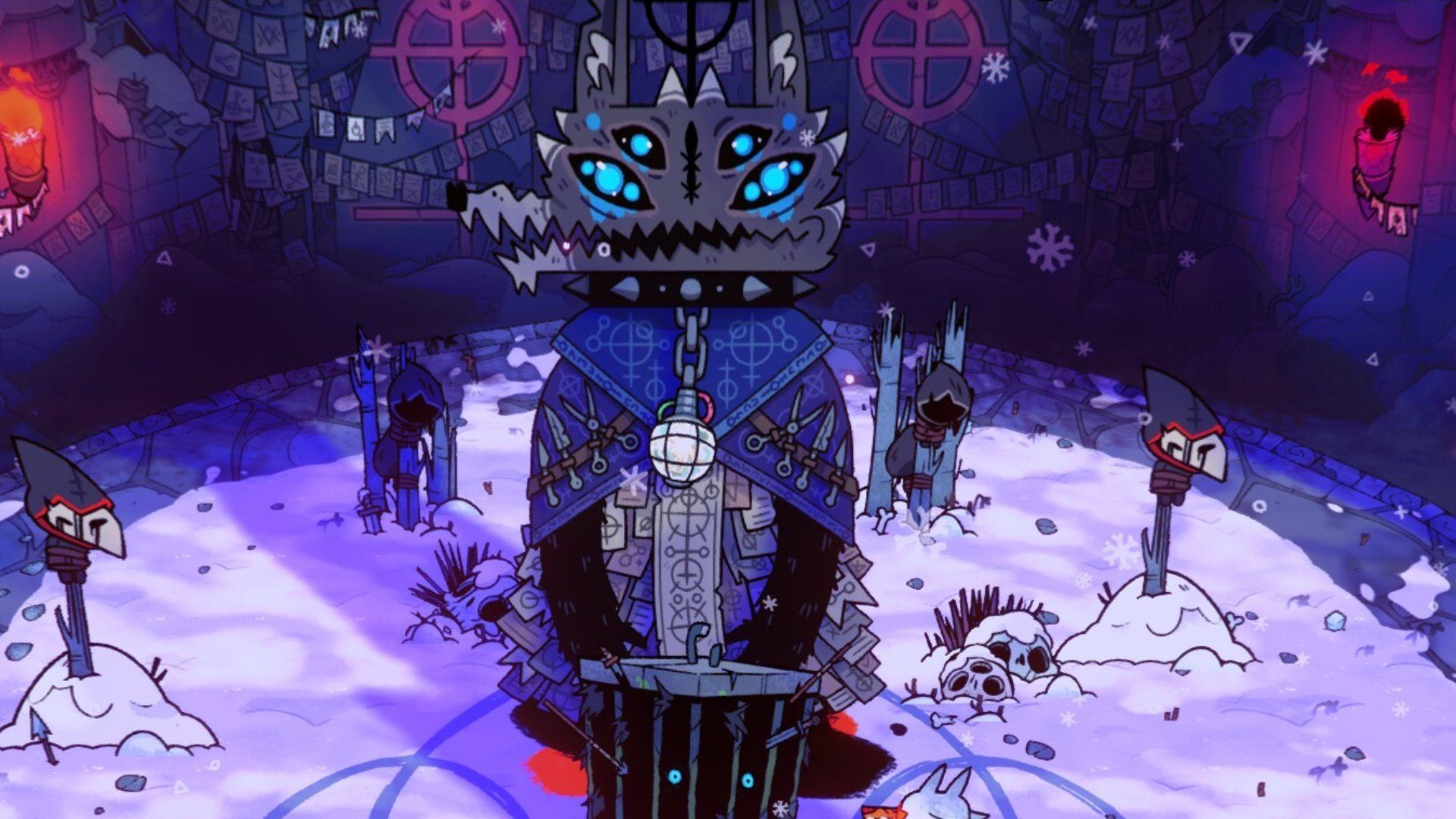
It’s a rare moment in a game where mechanics serve storytelling over convenience. The tradeoff? A more compelling antagonist at the cost of a cuddly wolf follower. And for fans of Cult of the Lamb, that’s a victory in itself.
- Narrative Over Convenience: Marchosias’ refusal to join the cult aligns with his anti-religious stance, reinforcing his role as an outlier in the game’s theocratic world.
- Design Intent: Developers prioritized character consistency over player expectations, a bold choice that pays off in depth.
- Player Reactions: While some fans hoped for a new cultist, the decision has sparked discussion about how games balance mechanics and storytelling.
- Broader Impact: The move underscores Woolhaven’s ambition to subvert player assumptions, even at the risk of missing features.
The result? A boss fight that lingers in the mind—not just for its spectacle, but for its defiance. And in Cult of the Lamb, that’s no small feat.