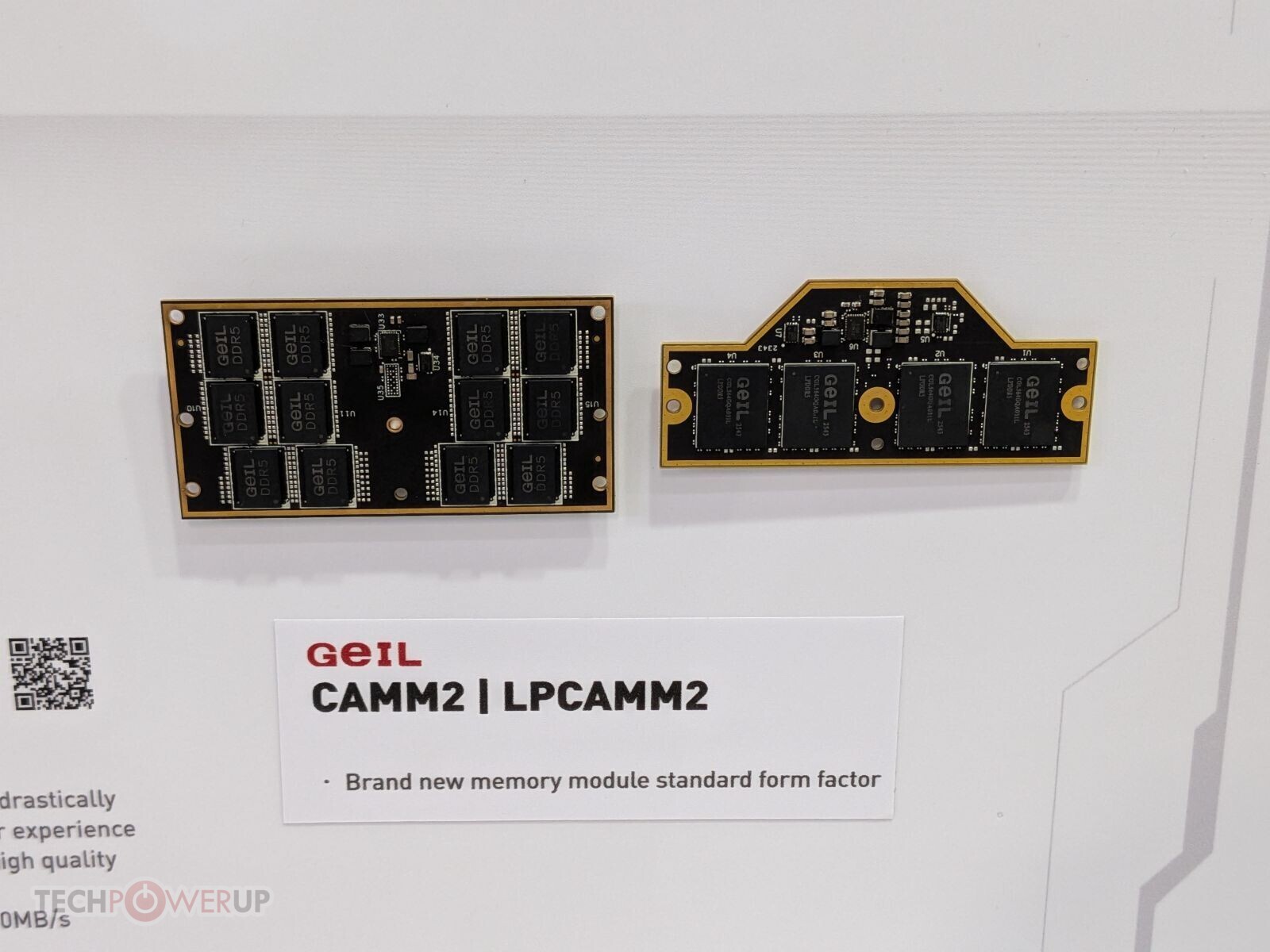
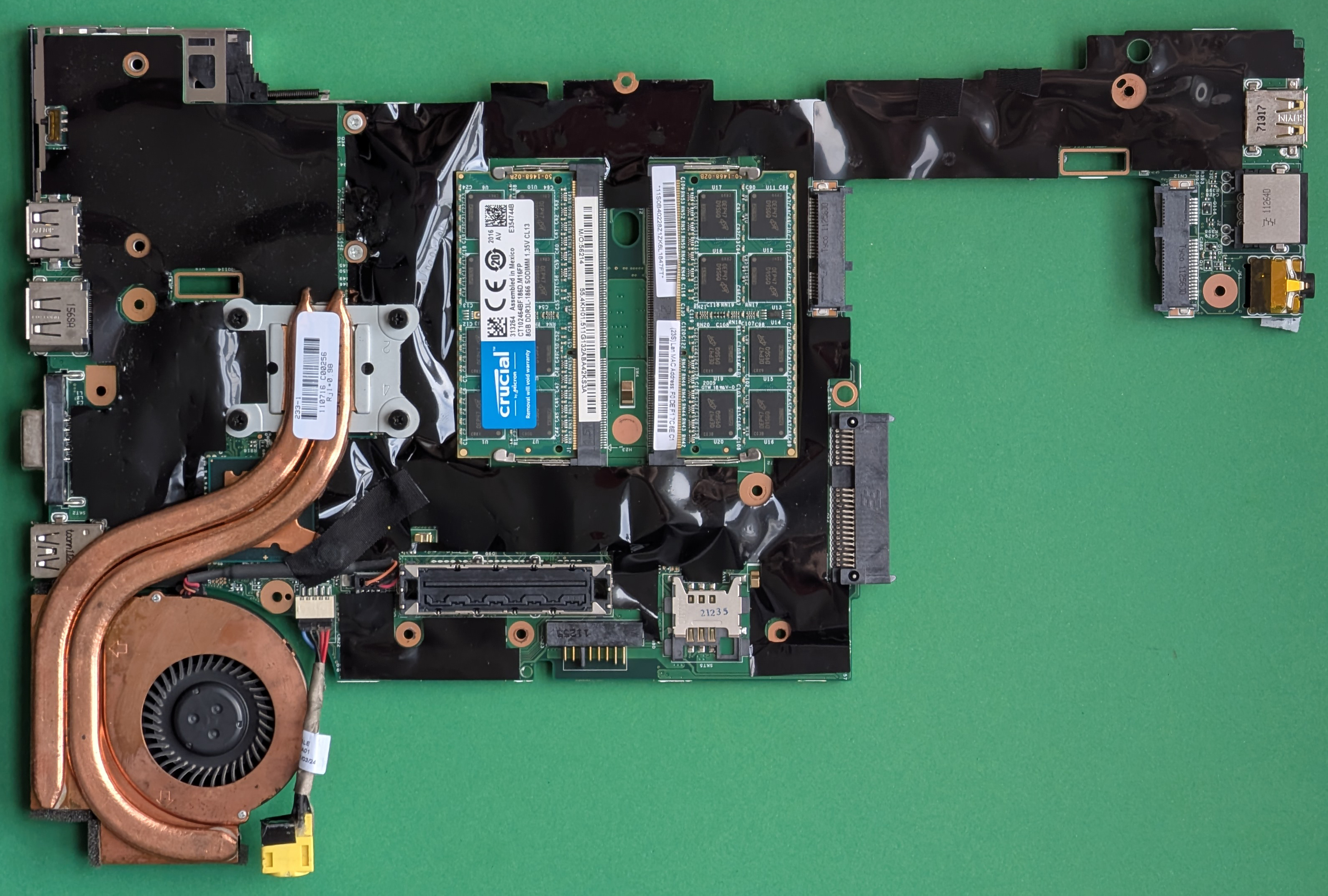
The process begins with two 16 GB DDR5 SODIMMs, their golden contacts glinting under a microscope’s precision light. These are not the mass-produced modules found on store shelves; they’re laptop-grade components, repurposed for a desktop that demands more than what retail can offer. The challenge lies in merging them into a single 32 GB DIMM—a task that requires not just technical skill but an intimate knowledge of memory firmware and signal integrity.
What emerges is a custom-built DDR5 stick that, on paper, should perform flawlessly: ADATA’s firmware, tuned to a 6400 MHz CL32 XMP profile, ensures stability without the usual performance compromises. Yet the real innovation isn’t in the specs alone. It’s in the cost—$218 for what would otherwise be an unthinkable price tag in a market where inflation has turned memory into a gamble rather than a necessity.

The implications ripple beyond the modder’s workspace. If a single individual can assemble high-performance RAM at less than a third of the commercial rate, it suggests that the industry’s pricing model is built on assumptions that no longer hold. Surplus chips, discarded components, and underutilized production lines sit idle while demand outpaces supply, creating an artificial scarcity that benefits only those at the top of the chain.
This isn’t an isolated case. Across forums and underground workshops, similar projects are cropping up—each one a testament to the gap between what consumers need and what manufacturers are willing to provide. The potential for commercial ventures to step in is clear: repurposing surplus or obsolete chips could flood the market with affordable alternatives, though whether such moves would stabilize prices remains uncertain.
For now, homemade DDR5 exists on the fringes—a solution born from desperation rather than choice. Yet its existence forces a reckoning. If consumers can build what they need when the market fails them, the question isn’t just about cost anymore. It’s about power: who controls the tools, the prices, and the future of hardware innovation.