The release of Tomb Raider: Legacy of Atlantis marks a turning point for PC hardware requirements. Unlike previous titles that stretched the boundaries of what mid-range GPUs could handle, this game is explicitly targeting high-end systems—specifically those equipped with NVIDIA’s RTX 3080 or AMD’s Radeon RX 6800 XT. The move isn’t just about pushing resolution and frame rates; it’s a signal that the industry is prioritizing efficiency, ray tracing fidelity, and sustained performance over raw specs alone.
For IT teams responsible for gaming workstations, this recommendation carries weight. It means that future-proofing isn’t just about clock speeds or VRAM anymore—it’s about how well a system can balance power consumption, thermal output, and real-world workloads. The RTX 3080, for example, brings DLSS 2.0 to the table, which could redefine what ‘efficient’ means in a game that relies heavily on ray-traced visuals.
This isn’t an isolated case. Over the past year, several AAA titles have followed suit, recommending GPUs with at least 10GB of VRAM and support for hardware-accelerated ray tracing. The shift has forced IT decision-makers to rethink their strategies: should they prioritize single-GPU setups with high-end components, or are multi-GPU configurations still viable? The answer depends on the workload, but the trend is clear—single-GPU systems are becoming the default for most users.
- Recommended GPUs:
- NVIDIA GeForce RTX 3080 (10GB GDDR6X)
- AMD Radeon RX 6800 XT (12GB GDDR6)
- CPU Requirements:
- Intel Core i7-9700K or equivalent (8 cores, 8 threads recommended)
- RAM:
- 16GB minimum (32GB recommended for future-proofing)
- Storage:
- 512GB NVMe SSD (PCIe Gen 4 or faster)
- GPU Memory:
- 10GB VRAM minimum (for ray tracing and high-resolution textures)
- Cooling:
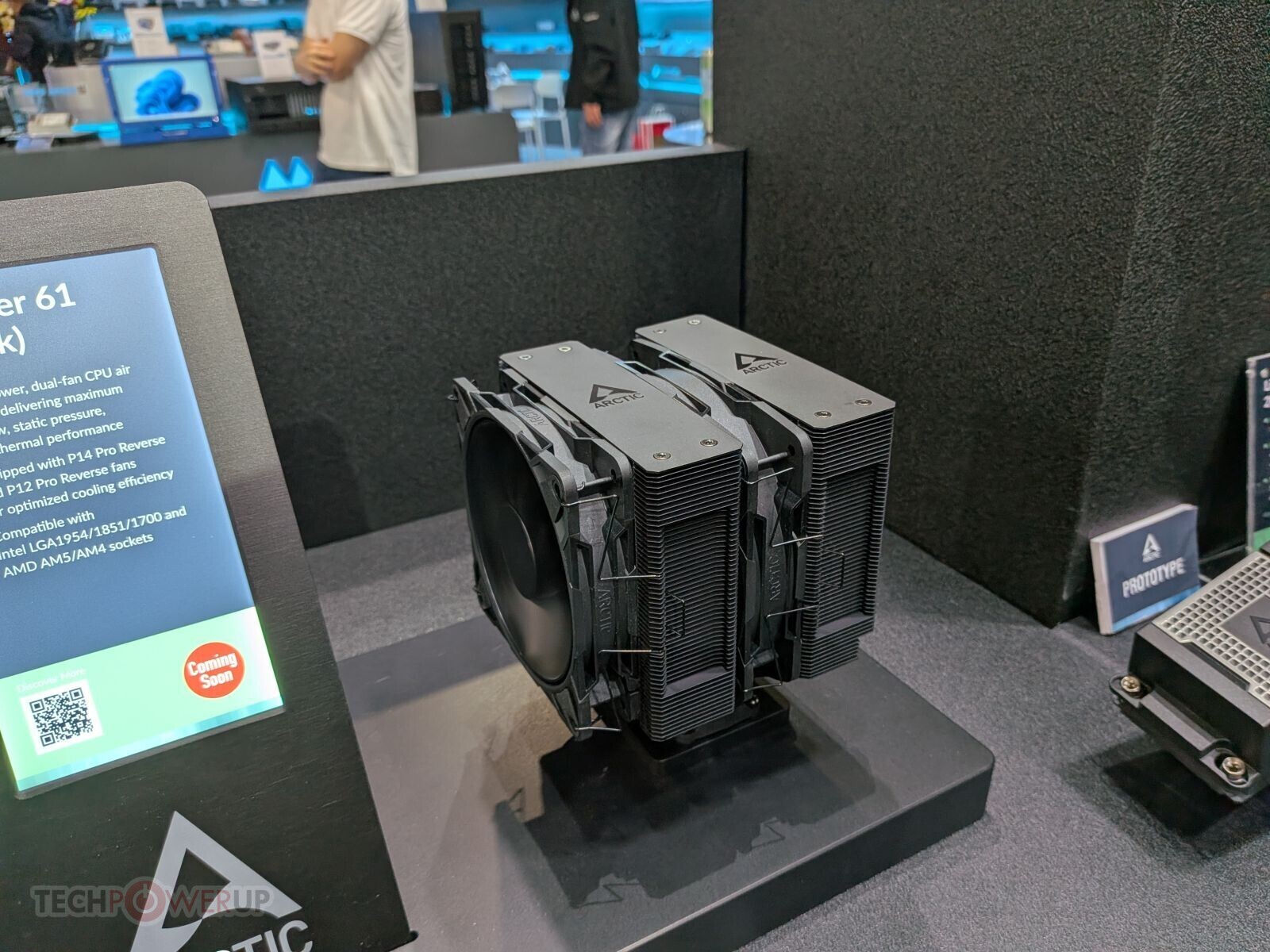
- Water cooling recommended for sustained loads
The specs alone tell a story: 16GB of RAM is no longer just a suggestion—it’s becoming the baseline for games that leverage advanced memory compression techniques. Meanwhile, the push for 512GB NVMe SSDs reflects a broader industry move toward faster storage tiers, where load times are measured in seconds rather than minutes. For IT teams, this means investing in PCIe Gen 4 or Gen 5 drives to avoid bottlenecks.
But the real challenge lies in balancing cost and performance. The RTX 3080 and RX 6800 XT aren’t just powerful—they’re also energy-efficient compared to older generations, which is a critical factor for data center-grade setups or enterprise environments where power draw matters. However, the price premium for these cards means that IT departments will need to weigh whether the performance gains justify the cost, especially if they’re building systems for multiple users.
Looking ahead, the Tomb Raider recommendation could set a precedent for other titles in 2021 and beyond. If more games adopt similar hardware requirements, we’ll likely see a shift toward GPUs with even higher VRAM capacities—possibly 16GB or more—to support next-gen ray tracing and texture streaming. For now, the RTX 3080 and RX 6800 XT remain the gold standard, but the conversation around value for money is only heating up.
Availability for Tomb Raider: Legacy of Atlantis hasn’t been confirmed yet, but with these hardware recommendations in place, IT teams should start preparing their budgets now. The question isn’t just about whether a system can run the game—it’s about how long it will remain relevant as demands continue to rise.